

The Ultimate Guide to Toilet Paper Holders: Installation, Height, and Best Practices
Getting toilet paper holder height and placement right matters more than most people think. Mount it wrong, and you're creating an accessibility barrier, a code violation, or just an awkward reach for every person who uses that restroom.
Quick answer: Mount the holder with its center at approximately 26 inches from the floor and 8 to 12 inches in front of the toilet bowl. For ADA-compliant commercial restrooms, the dispenser outlet must fall between 15 and 48 inches above the finished floor per Section 604.7 of the 2010 ADA Standards for Accessible Design.
How High Should A Toilet Paper Holder Be?
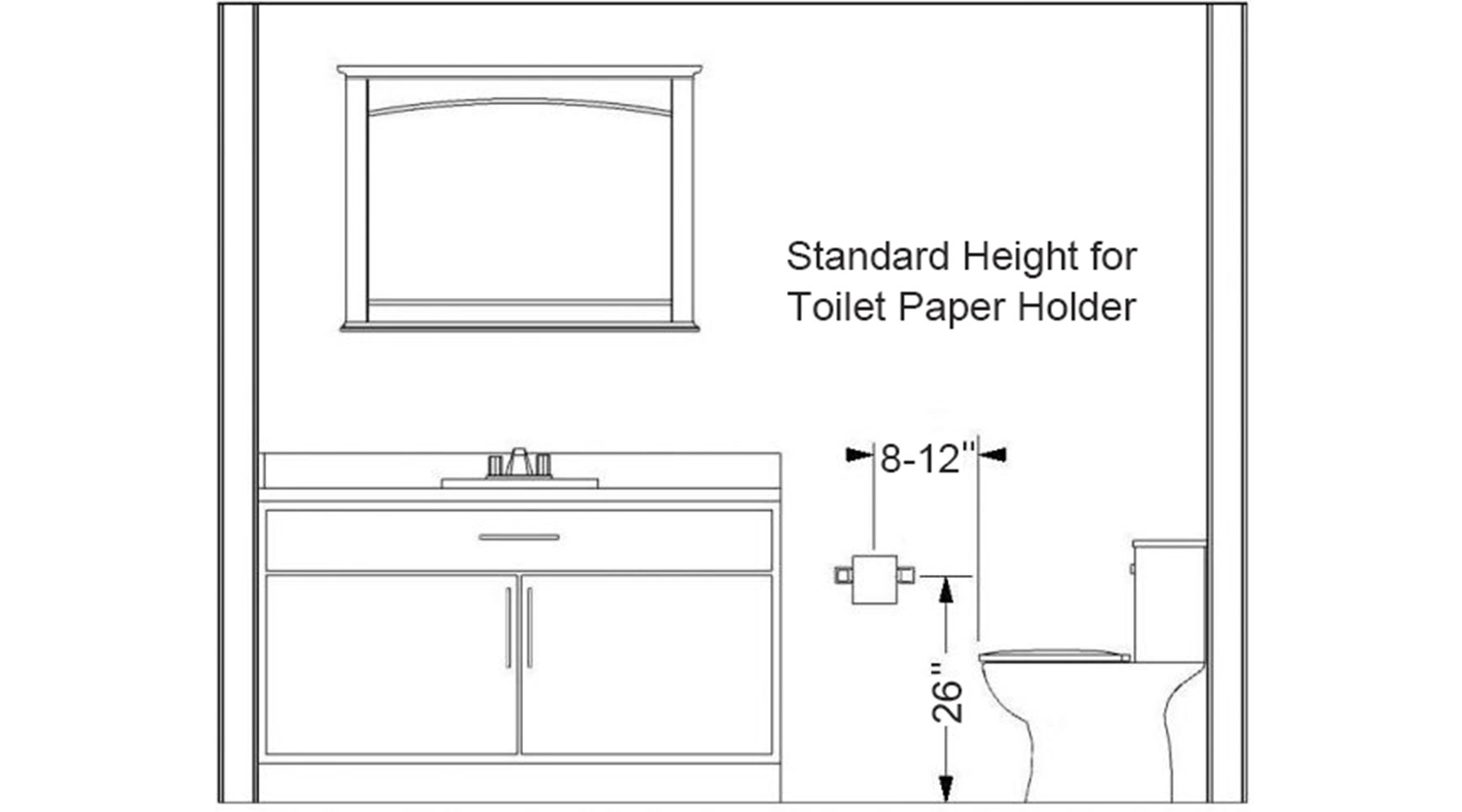
The standard toilet paper holder height is approximately 26 inches (66 cm) from the finished floor, measured to the center of the holder. This height works well for most adults and older children when seated and has become the widely accepted benchmark for residential and light commercial installations.
Key height benchmarks at a glance:
- Standard (residential): 26 inches from floor to center of holder
- ADA adult restrooms: Outlet between 15 inches minimum and 48 inches maximum above finished floor, per ADA Section 604.7
- ADA children's restrooms (ages 5-8): Outlet between 14 and 19 inches above finished floor
- Horizontal distance: Centerline must be 7 to 9 inches in front of the toilet bowl's leading edge
For private homes, aim for 26 inches. For commercial restrooms, you must satisfy both the ADA outlet height range (15 to 48 inches) and the 7-to-9-inch horizontal rule. Many state codes also reference ICC A117.1 alongside federal ADA requirements, so check local code if you're managing a commercial facility.
What is the Maximum Height for a Toilet Paper Holder?
The maximum height for a toilet paper holder, particularly in settings that aim to be inclusive and accessible, should align with the guidelines set by the Americans with Disabilities Act (ADA). According to ADA Section 604.7, the outlet of the dispenser must be no higher than 48 inches (1,220 mm) above the finished floor for a standard unobstructed side reach. This specification is designed so that individuals in wheelchairs, as well as those who may have difficulty reaching or standing, can access the toilet paper comfortably and safely.
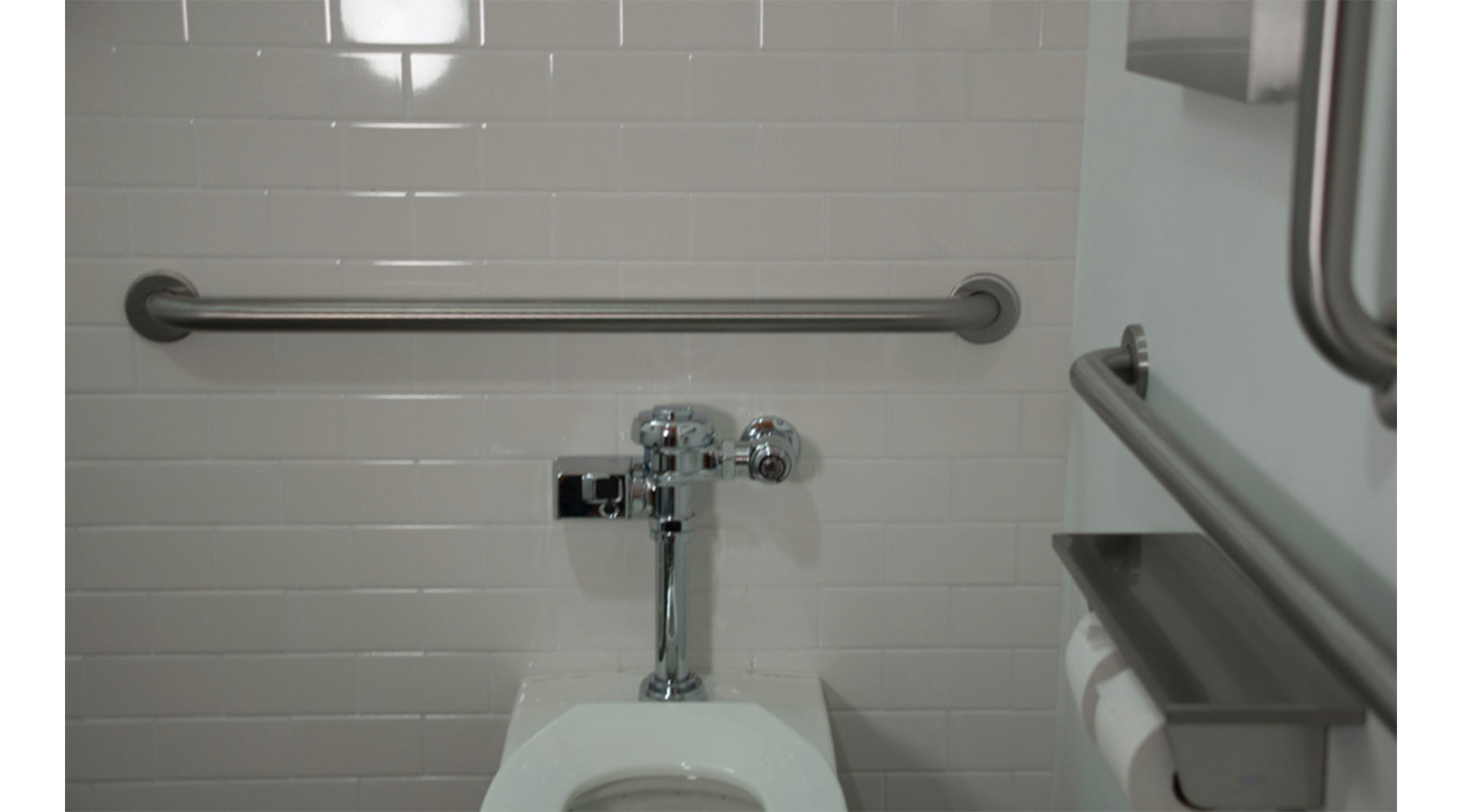
Grab bar interactions: If the dispenser is below the grab bar, leave at least 1.5 inches of clearance between the top of the dispenser and the underside of the bar. If mounted above, the outlet must still not exceed 48 inches. Dispensers must never be positioned behind a grab bar where a seated user cannot reach them.
"Toilet paper dispensers shall be 7 inches (180 mm) minimum and 9 inches (230 mm) maximum in front of the water closet measured to the centerline of the dispenser. The outlet of the dispenser shall be 15 inches (380 mm) minimum and 48 inches (1220 mm) maximum above the finish floor." — U.S. Access Board, ADA Standards Section 604.7
For facilities serving children, the maximum outlet height drops to 19 inches for ages 5 through 8.
Where to Place a Toilet Paper Holder?
Toilet paper holder location is crucial for both functionality and comfort. Getting it wrong means users have to twist, stretch, or stand up to reach the paper, which is inconvenient at best and a real accessibility barrier at worst.
Place the holder 8 to 12 inches from the front of the toilet bowl to the center of the holder. Under ADA standards, this tightens to 7 to 9 inches. Mount on the side wall adjacent to the toilet - this is standard for both residential and commercial restrooms, and the only ADA-compliant option for accessible stalls. Front wall mounting works in very narrow bathrooms but requires more of a reach and is not suitable for accessible restrooms.
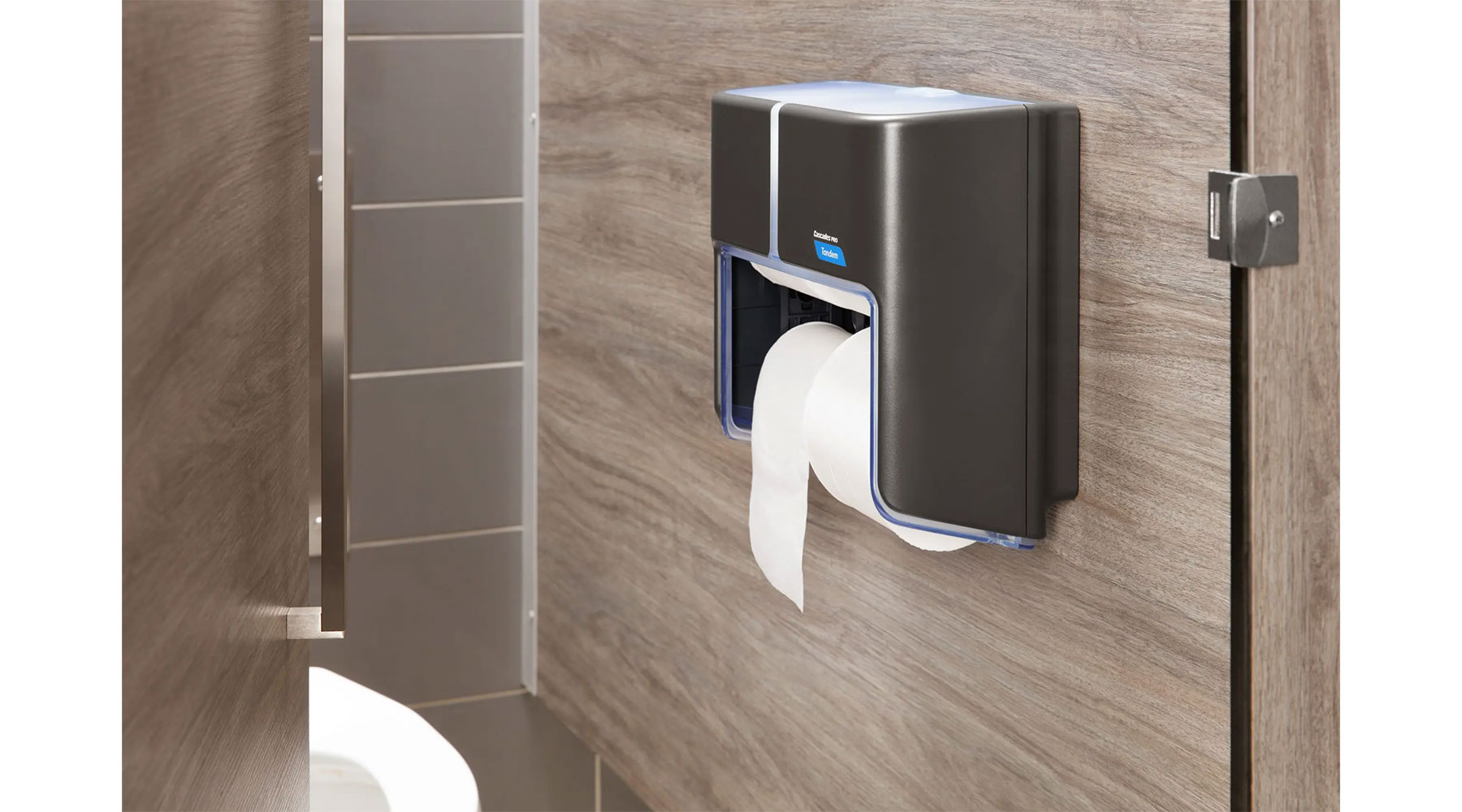
Practical tip for commercial facilities: Consider a commercial toilet paper dispenser that holds two jumbo rolls. Getting the height right the first time saves reinstalling when you upgrade the roll format.
Installation Tips for Secure Mounting
- Mark and measure first: Use a level to mark drill spots and confirm your height before committing.
- Hit a stud when you can: Stud mounting is the most secure option. Use a stud finder before drilling.
- Use the right anchors: Plastic expansion anchors work for light residential holders. For heavier commercial dispensers, use toggle bolts or snap toggles rated for at least 50 lbs.
- Tile walls: Use a masonry bit and go slowly to avoid cracking.
- Check level again after tightening - holders can shift slightly as you drive the final screw
You'll need: a drill, level, stud finder, wall anchors, pencil, and screwdriver.d for at least 50 lbs.
Why Are Toilet Paper Dispensers Mounted So Low?
Two reasons. First, accessibility: lower dispensers are within reach of wheelchair users, children, and anyone with limited mobility - no stretching or standing required. Second, ADA compliance: Section 604.7 sets the minimum outlet height at 15 inches, and most commercial installers target 15 to 19 inches as the practical sweet spot for seated wheelchair users.
"The requirements for toilet paper dispensers reflect the needs of people who use wheelchairs and others with disabilities. The dispenser must be within reach range and operable without tight grasping, pinching, or twisting of the wrist." — U.S. Access Board, Chapter 6: Toilet Rooms Guide
There's also a maintenance angle: lower dispensers are easier to refill without a step stool, which adds up in high-traffic facilities where custodial staff is restocking throughout the day.
Toilet Paper Holder Types: Features and Price Comparison
Not all toilet paper holders are built the same, and the right choice depends on your wall type, the setting (home vs. commercial facility), and how often you need to refill. Here's a practical comparison of the most common types available in 2026.
| Holder Type | Example Products | Price | Installation Difficulty | Best For |
|---|---|---|---|---|
| Commercial single jumbo roll | San Jamar Jumbo 9" Single | $35.95 | Easy to moderate | Mid-traffic restrooms; single-stall offices, small facilities |
| Commercial double jumbo roll | San Jamar Jumbo 9" Double | $40.95 | Easy to moderate | High-traffic restrooms; hotels, schools, office buildings |
| Standard double roll (residential/light commercial) | San Jamar Duett Standard | $35.95 | Easy | Homes, boutique offices, light commercial use |
| Double roll with lock | Globe Equipment Jumbo 9" Double w/Lock | $64.95 | Easy to moderate | Public restrooms requiring tamper resistance |
| JRT jumbo combo (cored) | Kimberly-Clark Professional JRT Combo | $55.95 | Easy to moderate | Healthcare, education, high-volume facilities |
| High-capacity dispenser + paper bundle | Cascades Pro Side-by-Side Bundle | From $111.90 | Easy to moderate | Facilities buying dispenser and paper together; fewer refills |
Commercial facilities: Single or double jumbo roll dispensers handle the volume. The San Jamar Jumbo 9" Double at $40.95 is a practical starting point for most high-traffic stalls. For public restrooms where theft or tampering is a concern, a locked dispenser like the Globe Equipment Double w/Lock at $64.95 is worth the upgrade. Browse all commercial toilet paper dispensers for the full range.
Residential bathrooms: A standard double-roll dispenser covers most home situations. The San Jamar Duett Standard at $35.95 works well for light commercial and home use.
Accessible restrooms: Choose a wall-mounted dispenser with continuous paper flow (no controlled delivery) positioned to meet ADA outlet height and horizontal placement requirements. The dispenser should not protrude into the grab bar clearance zone.
Pros and Cons of Different Placement Options
Where you put the holder matters as much as how high you mount it. Each placement option comes with real trade-offs worth thinking through before you drill.
| Placement | Pros | Cons |
|---|---|---|
| Side wall (most common) | Easy reach, ADA-compliant, works with all holder types | Needs adequate side wall space; too far back means twisting |
| Front wall | Works in very compact bathrooms | Requires leaning forward; not ADA-compliant for accessible stalls |
| Recessed | Clean look, doesn't protrude into grab bar zones, durable | Requires cutting into drywall; harder to relocate |
| Freestanding / adhesive | No drilling, easy to reposition, freestanding units hold spare rolls | Can tip or shift in busy restrooms; adhesive fails on textured/porous surfaces |
Hanging the Toilet Roll: Over or Under?
Over wins. It lets users grab and tear with one hand, which also satisfies the ADA requirement that dispensers be operable without tight grasping, pinching, or wrist twisting. Under is fine at home if pets or small children are unrolling the whole roll, but it's not the right choice for commercial restrooms.
Looking for bulk toilet paper and dispensers? Browse our full selection of toilet paper products and paper products and dispensers.
Frequently Asked Questions
What is the recommended height for a toilet paper holder?
The recommended height for mounting a toilet paper holder is about 26 inches (66 cm) from the floor. This height is comfortable for most adults and older children when seated. For accessible bathrooms, the ADA Standards for Accessible Design specify that the dispenser outlet must be at least 15 inches from the floor to accommodate wheelchair users.
How far from the toilet should the toilet paper holder be placed?
The toilet paper holder should be positioned 8 to 12 inches from the front of the toilet bowl to the center of the holder. This distance provides easy access without causing the user to reach too far or twist uncomfortably.
Is there a standard placement for the toilet paper holder regarding its distance from the back wall?
While there isn't a strict standard, a common practice is to place the toilet paper holder about 8 inches from the center of the toilet to the center of the holder. This measurement can vary based on the bathroom layout and user preference but serves as a comfortable distance for most users.
Can I install a toilet paper holder into drywall without studs?
Yes, you can install a toilet paper holder into drywall without studs by using wall anchors. These anchors are designed to spread out behind the drywall, providing a secure hold for the holder. It's crucial to use the appropriate size and type of wall anchor for the weight of the holder and to follow the installation instructions carefully.
What is the correct way to hang a toilet roll: over or under?
The debate between over or under is ongoing, but most people prefer the "over" method, where the paper rolls out from the top. This orientation is generally considered easier for grabbing and tearing the paper. Ultimately, the choice should cater to personal preferences and the needs of the household's users.
Do I need any special tools to install a toilet paper holder?
Basic tools required for installing a toilet paper holder include a drill, drill bits, a screwdriver, wall anchors (if mounting without studs), a level, and a pencil or marker for marking drill spots. Using a level ensures that the holder is mounted straight, providing a better appearance and functionality.
Why might toilet paper holders be mounted lower in some bathrooms?
Toilet paper holders may be mounted lower to cater to children, seated users, or individuals with mobility challenges, ensuring the paper is within easy reach. Adhering to ADA guidelines, even in private homes, can also make bathrooms more accessible and comfortable for everyone.
What are ADA heights for toilet paper dispenser?
The ADA Standards for Accessible Design, Section 604.7, specify that the outlet of the toilet paper dispenser must be at a minimum height of 15 inches (380 mm) and a maximum height of 48 inches (1,220 mm) above the finished floor. The dispenser centerline must also be 7 to 9 inches in front of the leading edge of the toilet bowl. This range accommodates wheelchair users and a variety of mobility needs.
How high to hang toilet paper holder?
The ideal height to hang a toilet paper holder is around 26 inches from the floor and 8 to 12 inches in front of the toilet bowl. This placement ensures it's easy to reach while seated and meets common bathroom design standards for comfort and accessibility.
Sources and References
The accessibility measurements and compliance requirements in this guide are drawn from official federal sources. If you're managing a commercial facility or planning a renovation, verify requirements against your local building code in addition to the federal standards below.
- 2010 ADA Standards for Accessible Design, Section 604.7 (U.S. Access Board): The primary federal standard for toilet paper dispenser placement in accessible restrooms. Specifies outlet height of 15 to 48 inches above finished floor, horizontal placement of 7 to 9 inches in front of the toilet, and continuous paper flow requirements.
- Chapter 6: Toilet Rooms Guide (U.S. Access Board): Plain-language guidance on ADA toilet room requirements, including dispenser placement relative to grab bars and clearance zones.
Many state and local jurisdictions also reference ICC A117.1 (Accessible and Usable Buildings and Facilities) alongside the ADA. Requirements are consistent with Section 604.7, but check your local building code for any site-specific variations.
For questions about specific products or bulk ordering, visit our paper products and dispensers collection or browse commercial toilet paper in case quantities.
Recent Posts
-

Sponge Mop vs. String Mop: Which is Right for Your Facility?
Short answer: A sponge mop uses an absorbent foam or cellulose head with a built-in lever to wring o …Sep 07, 2026 -

Bulk Janitorial Supply Buying Guide for Commercial Facilities
Running out of paper towels on a Friday, or pulling the wrong liner size for the third week in a row …Sep 04, 2026 -

Laundry Bleach vs Cleaning Bleach: Understanding the Differences
Bleach is a staple in many households, but not all bleaches are created equal. When it comes to disi …Sep 01, 2026