
Blog
Find practical cleaning tips, avoid common cleaning mistakes, and discover product recommendations to make everyday cleaning faster, safer, and more effective.

Your facility is on a regular cleaning schedule. The crew shows up, runs the machine, and the floors still look dull, streaky, or sticky by the next morning. It's a frustrating pattern, and an easy one to misdiagnose.
Most teams assume the product is the problem, but it usually isn't. The cleaning chemicals are doing their job. The habits around how those chemicals are used are what create the residue.
Below are the five habits most often behind it, and how to correct each one.
Key Takeaways
The
…
Sep 24, 2026
How Dirty Floor Cleaning Machines Cause Streaks and Residue in Commercial Cleaning
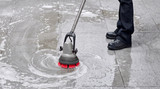
A floor scrubber leaving streaks or residue after cleaning is one of the most common complaints in commercial facilities. The instinct is to blame the chemical. Sometimes that's right. More often, the problem is the machine applying it.
What causes floor machines to leave streaks and residue? Streaks form when a machine deposits more than it recovers: solution, loosened soil, or chemical film that dries on the surface instead of being picked up. The most common sources are solution tanks with
…
Sep 22, 2026

Why Commercial Floors Feel Sticky After Cleaning (And How to Fix It)
Sticky floors after mopping are a common complaint in commercial facilities. The floor looks clean, but anyone walking across it within an hour can tell something went wrong. The cause usually traces back to one of three things: how much soil and traffic the floor handles daily, whether staff are using and diluting cleaners correctly, and whether everyone is following the same process shift to shift.
All three matter. Even the right product at the right dilution won't fix floors if the equipme
…
Sep 22, 2026
The Cleaning Station: An Innovative Solution for Your Business
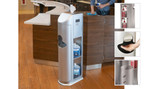
Elevate Your Cleanliness Standards with The Ultimate Cleaning Station
In today's world, maintaining a clean and healthy environment is more crucial than ever. Whether you're running a bustling gym, a busy office, or any high-traffic facility, cleanliness plays a pivotal role in ensuring the well-being of your staff and visitors. Enter The Cleaning Station: an innovative solution that redefines the standards of cleanliness and hygiene maintenance. This all-in-one sanitizing and storage system is
…
Sep 21, 2026
Germicidal Bleach vs. Regular Bleach: A Deep Dive into their Differences and Uses
Germicidal bleach is an EPA-registered disinfectant formulated to destroy specific pathogens on hard, nonporous surfaces. Regular bleach is designed primarily for cleaning, whitening, and stain removal, and may carry disinfecting claims only when the product label specifically states it. The right choice depends on your facility's disinfection requirements, the surfaces being treated, and the pathogens you need to eliminate.
Both products use sodium hypochlorite as their active ingredient. Wha
…
Sep 21, 2026