
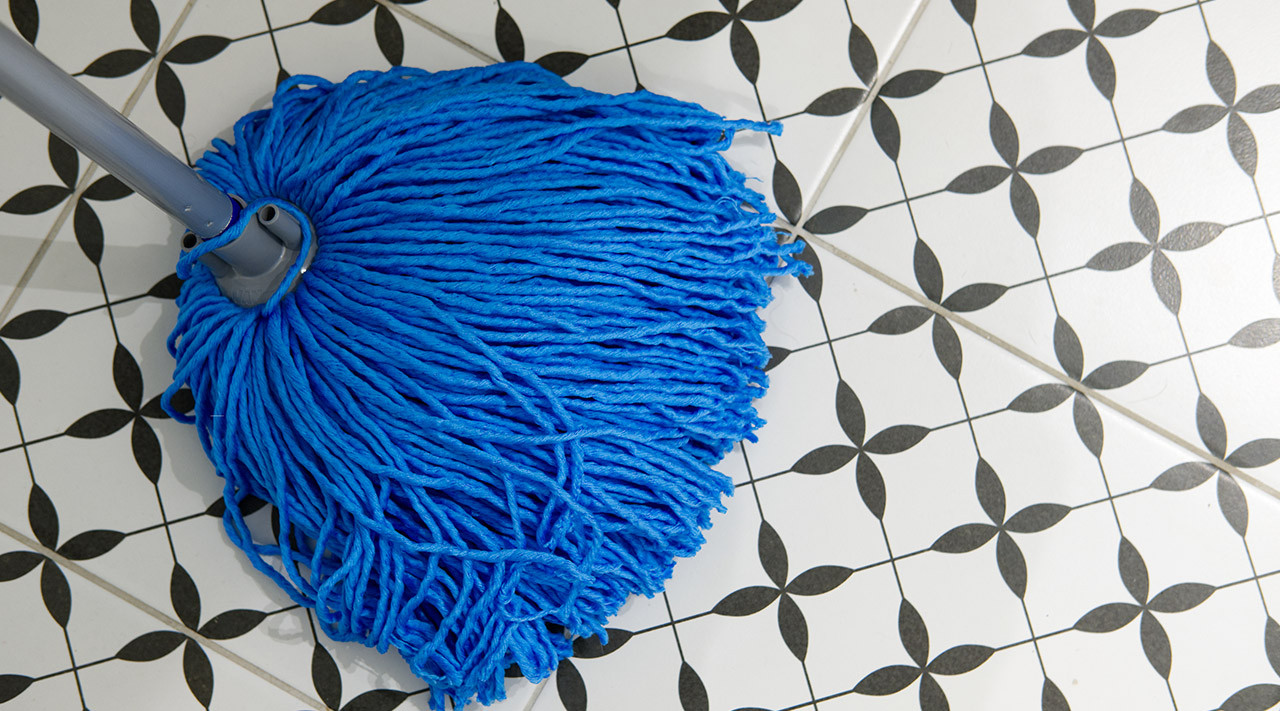
How to Wash a Mop Head: Easy Steps for a Spotless Clean
Wondering how to wash a mop head effectively? Proper mop head cleaning is essential to keep floors sanitary and prevent the spread of bacteria and odors. When you neglect mop head cleaning, dirt, moisture, and germs can build up, making your mop less effective over time.
Whether you're wondering how do you clean a mop head, how to clean a dirty mop head, or how to clean a mop head without a washing machine, the right process makes all the difference.
This guide walks you through step-by-step methods for disinfecting sponge, cotton, and microfiber mop heads so you can maintain a fresh, hygienic cleaning tool.
Key Takeaways
- Use warm water and appropriate cleaning solutions for different mop materials.
- Disinfect mop heads regularly to eliminate bacteria and odors.
- Clean mop heads after each use to prevent buildup.
- Proper drying and storage prevent mold and mildew.
In this guide:
- Supplies Needed to Clean a Mop Head
- Choosing the Right Method to Clean a Mop Head
- Preparing for a Deep Clean of a Mop Head
- How to Wash Different Types of Mop Heads
- How to Disinfect a Mop Head
- Machine Washing vs. Hand Washing Mop Heads
- Best Way to Dry and Store Mop Heads
- How Often to Clean and Replace Mop Heads
- Steam Mop Maintenance
- Common Mistakes That Cause Odors and Bacteria Buildup
- Mop Head Replacement Options
Supplies Needed to Clean a Mop Head
Before starting, gather the following supplies:
- Bucket with warm water
- White vinegar or hydrogen peroxide
- Mild detergent (optional for sponge mop heads)
- Cleaning cloths or towels
- Bleach (optional for disinfecting)
- Mop bucket
Having your supplies prepared helps streamline the cleaning process.
Choosing the Right Method to Clean a Mop Head
The best way to clean a mop head depends on the material and how dirty it is. Using the wrong method can damage fibers or reduce cleaning performance.
Microfiber mop heads are usually machine washable and respond well to warm water and mild detergent.
Sponge and cotton mop heads often require hand washing or soaking to remove trapped dirt and odors.
The cleaning solution also matters:
- White vinegar breaks down odors and mineral buildup (note: vinegar is not a registered disinfectant and should not be used as a substitute for bleach or an EPA-approved disinfectant when pathogen elimination is the goal)
- Hydrogen peroxide can help freshen mop heads but is not a substitute for an EPA-registered disinfectant for surface disinfection
- Bleach diluted per CDC guidance is the recommended option for deep disinfection
When deciding how to clean a dirty mop head, consider:
- The mop head material
- The level of dirt, grease, or odor
- Whether routine cleaning or full disinfection is needed
Regular mop head cleaning prevents bacteria growth, improves sanitation, and extends tool life especially in high-traffic environments.
Preparing for a Deep Clean of a Mop Head
Remove excess debris, rinse with warm water, and prepare a cleaning solution using mild detergent, white vinegar, or hypochlorous acid.
For tough stains or odors, soak the mop head for several minutes. Wring thoroughly and air dry completely to prevent mold and bacteria.
How to Wash Different Types of Mop Heads
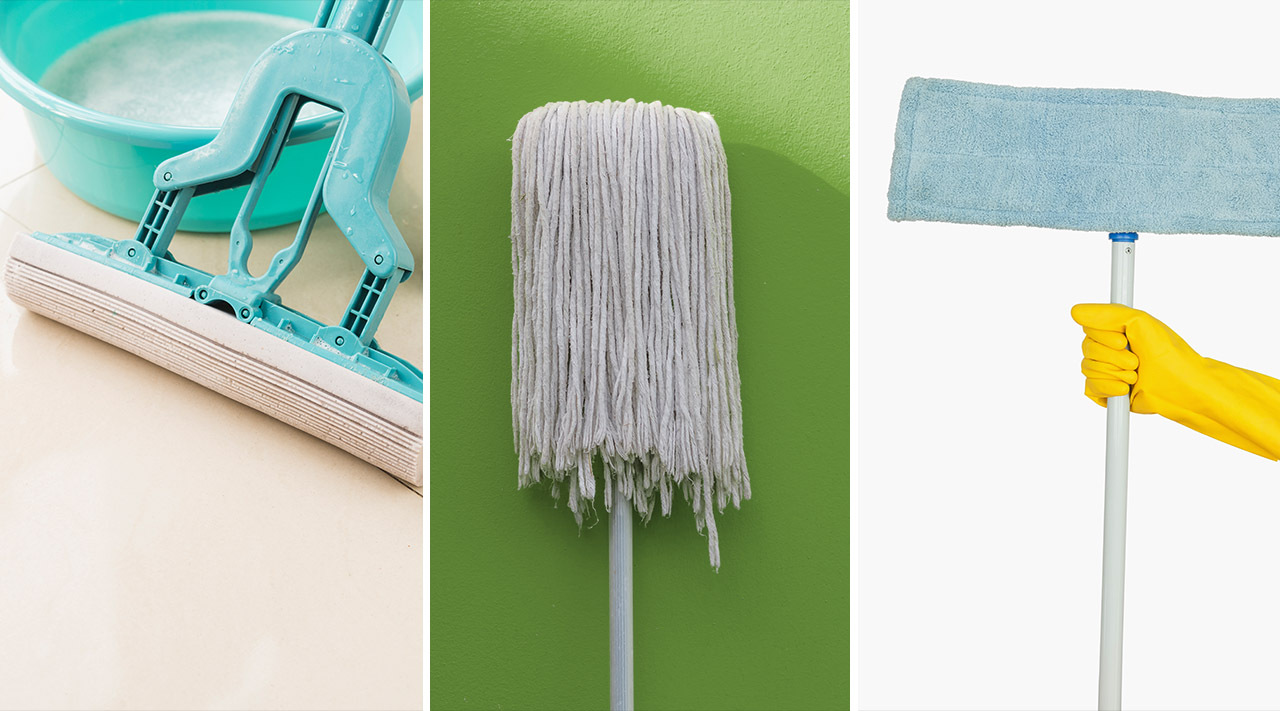
How to Clean Sponge Mop Heads
- Fill a bucket with warm water and mild detergent.
- Soak for 10–15 minutes.
- Rinse thoroughly.
- Wring out excess water.
- Air dry completely.
How to Clean Cotton Mop Heads
- Detach from handle.
- Machine wash on a gentle hot cycle.
- Avoid fabric softener, it coats fibers and reduces absorbency.
- Air dry fully before reattaching.
How to Clean Microfiber Mop Heads
- Detach the pad and shake out loose debris before washing.
- Machine wash in warm water (not hot, high heat can break down microfiber).
- Launder separately from cotton or terry materials to avoid lint transfer.
- Skip fabric softener entirely; it clogs the microfibers and kills their ability to trap dirt.
- Rinse thoroughly.
- Air dry completely, or tumble dry on the lowest heat setting only if the care label permits.
How to Clean Disposable Mop Heads
Disposable mop heads are designed for single use. Once they're visibly soiled or have been used on heavily contaminated surfaces, replace them rather than attempting to wash and reuse. Trying to launder a disposable head can cause it to fall apart and may not adequately remove pathogens.
How to Disinfect a Mop Head
Disinfecting is a separate step from washing. Washing removes visible dirt; disinfecting kills pathogens. Always clean the mop head first, then disinfect.
Bleach solution (per CDC guidelines):
- Mix ½ cup bleach or 1 cup vinegar per gallon of hot water, or use a disinfectant.
- Soak the mop head for 20–30 minutes.
- Rinse thoroughly with clean water.
- Air dry completely.
- Make a fresh solution each time diluted bleach loses effectiveness after 24 hours.
Safety note: Never mix bleach with vinegar, ammonia, or any other cleaner. Mixing disinfectants can release toxic vapors. Ensure good ventilation when working with bleach indoors.
Alternative: EPA-registered disinfectant
If you prefer not to use bleach, choose an EPA-registered disinfectant appropriate for porous materials and follow the product label instructions for dilution, contact time, and rinsing requirements.
A note on vinegar: White vinegar is useful for breaking down mineral deposits and neutralizing odors, but it is not an EPA-registered disinfectant and should not be relied upon to kill bacteria or viruses on mop heads used in commercial or healthcare settings.
Machine Washing vs. Hand Washing Mop Heads
Machine washing
- Pros: Fast and convenient; effective for machine-washable cotton and microfiber mop heads; hot water cycles help kill bacteria.
- Cons: High heat or fabric softener can degrade fibers over time; not appropriate for sponge mop heads or any head whose care label says hand-wash only.
Hand washing
- Pros: Gentler on delicate mop heads; lets you target specific stains or debris; no risk of heat damage.
- Cons: Takes longer and more physical effort; may not remove heavy buildup as thoroughly as a hot machine cycle.
Our recommendation: Use machine washing for durable cotton and microfiber mop heads that are rated for it always check the care label first. Choose hand washing for sponge mop heads, delicate materials, or any head whose label recommends it.
Best Way to Dry and Store Mop Heads
Drying is the step most people rush and it's where most mildew and odor problems start. A mop head that gets stored even slightly damp will develop bacteria and smell within hours.
Drying guidelines:
- Always air dry completely before storing. This is non-negotiable.
- Hang the mop head in a well-ventilated area, ideally with the strands or pad hanging freely so air can circulate around all surfaces.
- Avoid laying a mop flat on the floor or leaning it mop-head-down against a wall both trap moisture.
- Machine drying is generally not recommended. High heat can break down microfiber, shrink cotton, and weaken the stitching that holds the head together. If you do use a dryer, use the lowest heat setting and only if the care label explicitly permits it.
Storage guidelines:
- Store mop heads in a cool, dry, well-ventilated space, not in a closed janitor's closet where humidity builds up.
- Never store a mop head in a bucket of water between uses. This creates an ideal environment for bacteria growth.
- If you use a mop holder or wall mount, make sure the head hangs freely rather than resting on a surface.
Quick tip: In high-use facilities, consider having two mop heads in rotation. While one is drying fully, you can use the other and both get properly dried between uses.
How Often to Clean and Replace Mop Heads
Cleaning frequency:
- After every use: Rinse the mop head thoroughly with clean water and wring it out well. This removes the bulk of soil and prevents it from drying into the fibers.
- After heavy-use sessions or contact with bodily fluids, grease, or chemical spills: Wash and disinfect the same day, not the next morning.
- Routine deep cleaning: Wash with detergent at least weekly in moderate-use facilities; daily laundering is recommended in healthcare and food service settings, per CDC guidance on mop decontamination.
Replacement guidelines:
| Mop Type | Typical Replacement Interval |
|---|---|
| Cotton string mop | Every 2–3 months with daily use |
| Microfiber flat pad | Every 3–6 months, or after 200–300 wash cycles |
| Sponge mop head | Every 1–3 months, or sooner if the sponge tears or hardens |
| Disposable mop head | After each use |
Signs it's time to replace, regardless of age:
- Persistent odor that doesn't go away after washing and disinfecting
- Visible fraying, tearing, or breakdown of fibers
- The mop head no longer absorbs or releases water effectively
- Discoloration that won't wash out
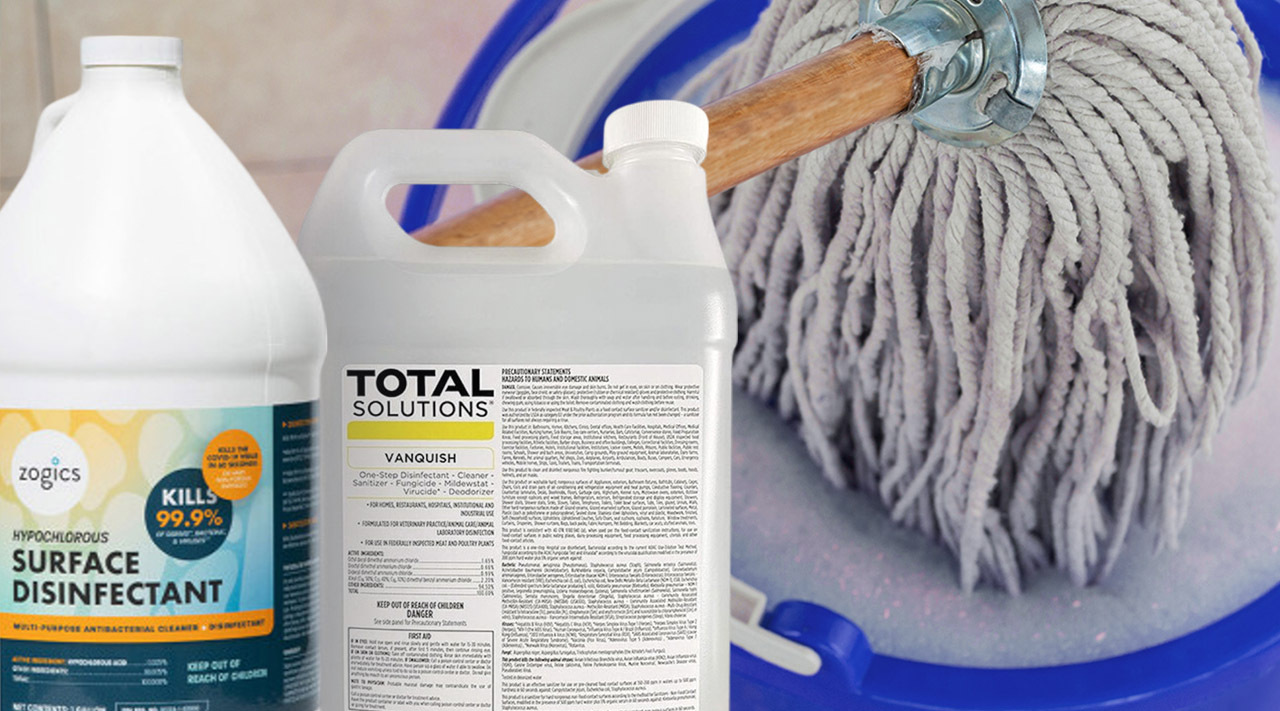
Steam Mop Maintenance
Steam mops require a bit more upkeep than standard mops, but the routine is straightforward once it's built into your cleaning schedule.
- Empty and dry the tank after every use: Leaving water sitting in the tank — even clean water — encourages mineral buildup and can promote bacterial growth over time. After each session, empty the tank, wipe the exterior dry, and store the unit upright in a ventilated area.
- Descale the tank regularly: Hard water deposits accumulate inside the boiler and reduce steam output. How often you need to descale depends on your water hardness, but a good rule of thumb is every 4–8 weeks with regular use. Most manufacturers recommend a diluted white vinegar solution or a purpose-made descaling product — check your unit's manual for the approved method.
- Clean the mop pads after every use: Steam mop pads pick up dirt, grease, and residue just like any other mop head. Most are machine washable — check the care label, but warm water without fabric softener is standard. Fabric softener coats the fibers and reduces their ability to absorb and trap debris.
- Inspect the pad attachment before each use: A pad that's loose or misaligned won't make full contact with the floor, which reduces cleaning effectiveness and can leave streaks. Take five seconds to confirm it's seated correctly before you start.
- Replace mop pads every 3–6 months, or sooner if the pad is visibly worn, fraying, or no longer absorbing well. A degraded pad means you're pushing dirt around rather than picking it up.
Common Mistakes That Cause Odors and Bacteria Buildup
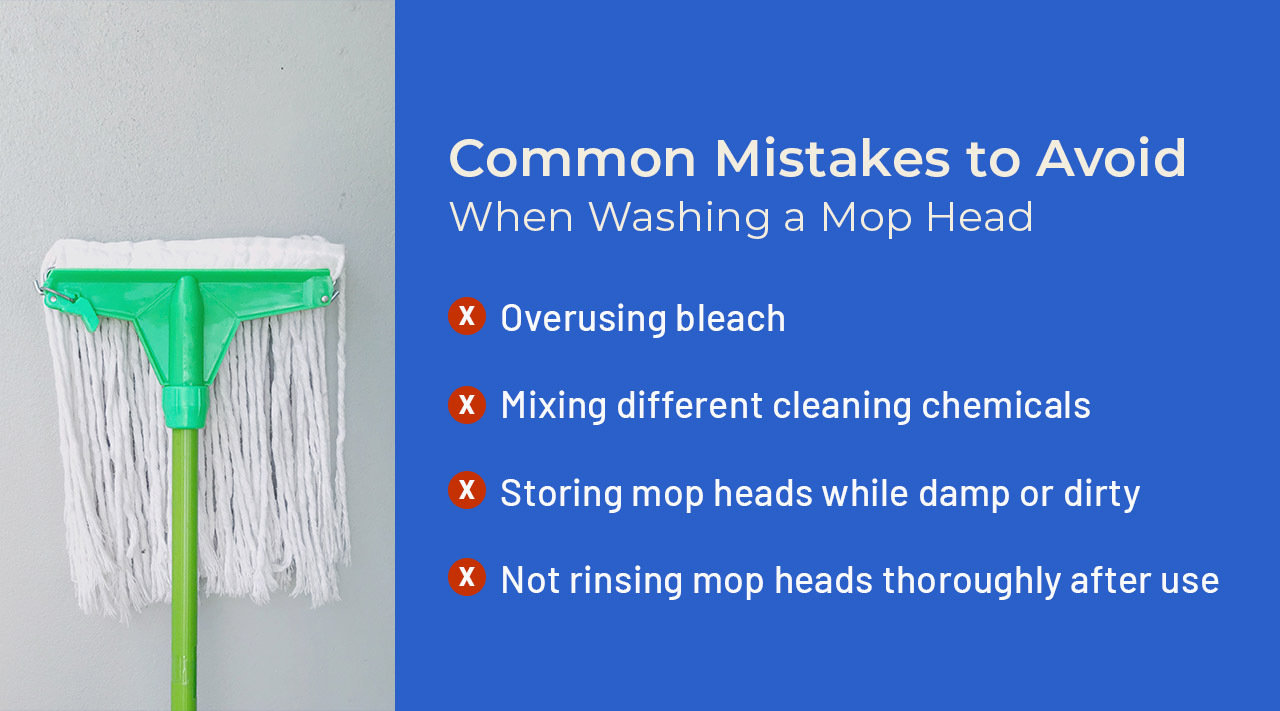
Most mop odor and bacteria problems trace back to the same handful of habits. Here's what to watch for:
1. Storing the Mop Head Damp
This is the single biggest cause of mildew and foul odors. Bacteria thrive in moist, enclosed spaces. A mop stored in a bucket, a closed closet, or lying on the floor will start developing odor-causing bacteria within a few hours. Always hang to dry fully in a ventilated area before putting the mop away.
2. Overusing Bleach
More bleach is not better. Using bleach too frequently or at too high a concentration degrades mop fibers faster and can leave chemical residue that irritates skin and floors. Stick to the CDC-recommended ratio of 1/3 cup per gallon, and reserve bleach disinfection for situations that genuinely require it not every single rinse.
3. Mixing Cleaning Chemicals
Never mix bleach with vinegar, ammonia, or other cleaning products. The EPA warns that combining certain cleaning chemicals can produce chlorine gas and other toxic vapors. Use one product at a time, rinse thoroughly between steps, and always read the label.
4. Not Rinsing Thoroughly After Disinfecting
Leaving bleach or disinfectant residue in a mop head means that residue gets transferred to your floors on the next use. Rinse the mop head under clean running water until the water runs clear after any chemical treatment.
5. Skipping the Wash and Just Re-Wetting
A quick dip in a bucket of dirty mop water between rooms doesn't clean the mop head. It spreads contamination. If you're cleaning multiple rooms or areas, rinse the mop head and change the bucket water between each area, especially in healthcare or food service settings.
Mop Head Replacement Options
When washing no longer restores performance, replacing the mop head is often the most cost-effective option. Here are some of the mop heads and systems available at The Cleaning Station:
| Mop Type | Best For | Price |
|---|---|---|
| Arkwright Microfiber Tube Mop (12/Case) | High-frequency commercial use; launderable, durable microfiber construction | From $120.95/case |
| Boardwalk Mop Bundle with Microfiber Wet & Dry Pads + Handle | Facilities needing both wet and dry mopping in one kit | $64.29 |
| Bissell PowerSteamer Microfiber Mop Pad 3-Pack | Steam mop pad replacement for Bissell BGST1566 | $24.95 |
| Bottle Rocket Wet Mop + Vital Oxide Disinfectant Bundle | Facilities wanting a spray-and-mop disinfection system | From $179.95 |
Prices shown are current as of publication. Check product pages for live pricing.
Shop Mop & Floor Cleaning Supplies at The Cleaning Station
Not sure which mop is right? Different Types of Mops Explained: Which Is Best?
Sources
The cleaning-chemical guidance in this article is based on the following authoritative sources. Always follow the product label and consult the manufacturer's care instructions for your specific mop head.
- CDC — Cleaning and Disinfecting with Bleach: Confirmed bleach dilution ratio (1/3 cup per gallon), contact time, and safety precautions including the prohibition on mixing bleach with other cleaners.
- CDC — Guideline for Disinfection and Sterilization in Healthcare Facilities: Recommends frequent laundering of mops (at least daily) and decontamination of mop heads and cleaning cloths to prevent cross-contamination.
- EPA — List N: Disinfectants for Use Against SARS-CoV-2: Reference for identifying EPA-registered disinfectants appropriate for porous surfaces when bleach is not preferred.
Conclusion
Caring for your mop head ensures hygienic, effective cleaning. Regular washing, proper disinfection with correctly diluted solutions, thorough rinsing, and complete air drying keep floors spotless and your tools performing at their best. When a mop head is past the point of recovery, replacing it promptly is the most practical choice for maintaining clean, sanitary floors.
With professional-grade equipment from The Cleaning Station, maintaining high cleaning standards is easier than ever.
Frequently Asked Questions
What is the best way to clean a dirty mop head?
Soak in warm water with mild detergent for 10–15 minutes, rinse thoroughly, wring out all excess water, and air dry completely in a ventilated area. For heavy contamination, follow up with a proper disinfection step using a diluted bleach solution or EPA-registered disinfectant.
Is it sanitary to wash a mop head in a washing machine?
Yes. Cotton and microfiber mop heads rated for machine washing can go in on a gentle hot cycle without fabric softener. Always check the care label first, sponge mop heads should be hand washed instead.
How do you get mildew out of a mop head?
Soak in a diluted bleach solution (1/3 cup bleach per gallon of water, per CDC guidance) for 20–30 minutes, then rinse thoroughly and air dry completely. Prevent recurrence by never storing the mop head damp.
How often should I wash my mop head?
Rinse after every use. Wash with detergent at least weekly for moderate use, or after every use in high-traffic or healthcare settings. The CDC recommends daily laundering in clinical environments.
How to clean a mop head without a washing machine?
Fill a bucket with warm water and a small amount of mild detergent, submerge the mop head, and agitate it by hand for several minutes. Rinse under running water until the water runs clear, wring thoroughly, and hang to air dry.
Can you put mop heads in the dryer?
It depends on the material. Cotton mop heads can typically tolerate low-heat drying, but air drying is always safer. Microfiber pads should be air dried or dried on the lowest heat setting only, high heat breaks down the fibers. Check the care label before using any heat.
How to clean a mop head without bleach or vinegar?
Use a mild detergent and warm water soak, followed by thorough rinsing. For disinfection without bleach, choose an EPA-registered disinfectant labeled for use on porous materials and follow the product's dilution and contact time instructions.
What's the best way to clean and maintain a microfiber mop head?
Machine wash in warm (not hot) water without fabric softener, launder separately from cotton or terry items to prevent lint buildup, and air dry completely. Avoid high heat at every step, it's the fastest way to shorten a microfiber pad's lifespan. With proper care, a quality microfiber mop head can last several hundred wash cycles.
How do microfiber, cotton, and disposable mop heads differ in care?
Microfiber: Machine washable in warm water; no fabric softener; no high heat. Can handle 200–300+ wash cycles with proper care. Cotton: Machine washable on a hot cycle; no fabric softener; air dry. Durable but bulkier and slower to dry than microfiber. Disposable: Single use only. Do not attempt to wash and reuse, they are not designed for it and won't hold up.
Recent Posts
-
 Your facility is on a regular cleaning schedule. The crew shows up, runs the machine, and the floors …Sep 24, 2026
 -
How Dirty Floor Cleaning Machines Cause Streaks and Residue in Commercial Cleaning
A floor scrubber leaving streaks or residue after cleaning is one of the most common complaints in …Sep 22, 2026 -

Why Commercial Floors Feel Sticky After Cleaning (And How to Fix It)
Sticky floors after mopping are a common complaint in commercial facilities. The floor looks clean …Sep 22, 2026