

Laundry Bleach vs Cleaning Bleach: Understanding the Differences
Bleach is a staple in many households, but not all bleaches are created equal. When it comes to disinfecting and stain removal, knowing the difference between laundry bleach and cleaning bleach is essential for both effectiveness and safety.
Laundry bleach is specifically formulated to whiten and brighten fabrics, helping to remove tough stains and odors from clothes. While it can sanitize laundry to a degree, many people wonder: does laundry bleach disinfect? The answer depends on the type—some laundry bleaches contain sodium hypochlorite, which has disinfecting properties, while others are oxygen-based and do not disinfect.
Understanding how to use the right bleach cleaner for the task at hand ensures you get maximum cleaning power without damaging surfaces or fabrics. Always read product labels and follow safety instructions to make the most of your bleach-based products.
Table of Contents
- What is Laundry Bleach?
- Types and Applications of Laundry Bleach
- Cleaning Bleach in Everyday Cleaning
- Comparing Laundry Bleach and Cleaning Bleach
- Bleach Products at a Glance: Price and Use Comparison
- Differences Between Laundry Bleach, Cleaning Bleach & Household Bleach
- Safety and Environmental Concerns
- Best Practices for Using Both Types of Bleach
- Choosing the Right Bleach for Your Needs
- Sources and Safety Guidance
- Frequently Asked Questions
What is Laundry Bleach?
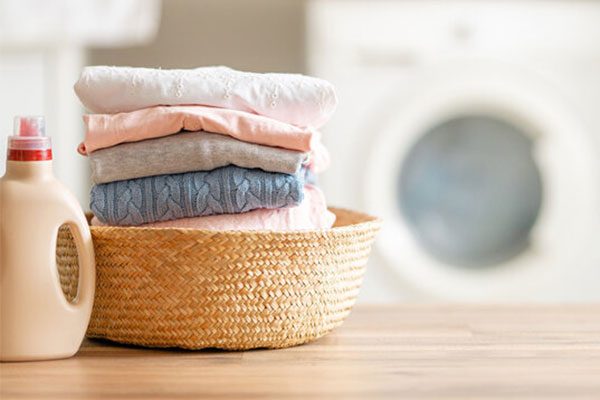
Laundry bleach, often referred to as “color-safe” or “oxygen” bleach, is a milder bleach variant designed specifically for fabrics. Unlike chlorine bleach, this bleach does not remove color or patterns on most types of colorfast clothing.
It typically contains hydrogen peroxide or other oxygen-based compounds. These ingredients make it less harsh than regular bleach, preventing damage to delicate fabrics and preserving colors. You can explore a range of fabric-safe options and related products in our laundry supplies and equipment collection, ideal for both home and commercial use.
Types and Applications of Laundry Bleach
Laundry bleach is available in several forms, including liquid, powdered, and even pre-measured pods—making it accessible for both home users and commercial facilities. Each format offers different benefits: liquid bleach is easy to measure and mix, powdered bleach has a longer shelf life, and pods provide convenience with no measuring required.
While many associate laundry bleach primarily with whitening whites, its applications go beyond just brightening fabrics. Laundry bleach also helps sanitize and disinfect clothing, towels, and linens—making it especially valuable in environments where hygiene is a top priority, such as hospitals, gyms, and care facilities. In these settings, bleach helps kill bacteria and viruses that may linger on fabrics after a wash. Any disinfection claim on a laundry bleach product is only valid when the product is used exactly as directed on its label; always check that the product is approved for the specific use before relying on it for sanitization. For quick and effective surface sanitation in similar high-touch areas, germicidal bleach wipes offer a convenient, ready-to-use solution.
For everyday household use, it’s important to use the correct type of bleach and follow manufacturer guidelines to avoid color fading or fabric damage. Always check the care label on garments and use a color-safe or oxygen-based bleach for colored fabrics to maintain vibrancy and prolong the life of your clothes.
Cleaning Bleach in Everyday Cleaning
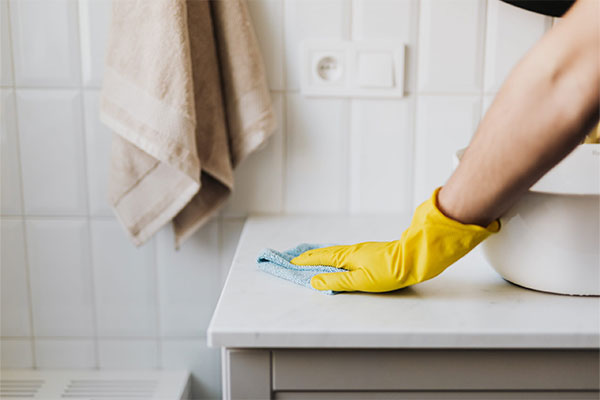
Cleaning bleach, or household bleach, is a broader category encompassing various types of bleaching agents. It’s used for a range of purposes, from sanitizing surfaces to general home cleaning. Unlike laundry-specific bleach, cleaning bleach products are typically formulated at higher sodium hypochlorite concentrations, though exact levels vary by product—always check the label for the specific concentration and approved uses.
Products like Soft Scrub with Bleach Cleaner offer a powerful yet targeted solution for tough stains, soap scum, and grime—ideal for bathrooms, kitchens, and other high-traffic areas. The strength of bleach can be too harsh for some materials and colors, requiring careful usage.
Comparing Laundry Bleach and Cleaning Bleach
The key difference between laundry bleach and cleaning bleach lies in the concentration of their active ingredient—sodium hypochlorite. Laundry bleach typically contains a lower concentration, around 3–6%, making it gentler on fabrics and better suited for regular use in washing machines. Cleaning bleach products vary in concentration by formulation and brand; check the product label to confirm the specific sodium hypochlorite percentage and the surfaces or applications it has been approved for before use.
When it comes to intended use, laundry bleach is ideal for whitening clothes, removing fabric stains, and providing mild sanitization. Cleaning bleach, on the other hand, is much stronger and designed for deep cleaning and eliminating bacteria and viruses on surfaces.
In terms of cleaning power, laundry bleach effectively addresses common laundry needs but may fall short against tougher grime and pathogens. Cleaning bleach offers a more potent formula that can tackle heavier messes and sanitize more effectively.
From a safety perspective, laundry bleach is generally safer for routine use. Cleaning bleach, however, must be handled with care—it can be corrosive to skin and eyes and is too harsh for use on most fabrics. Understanding when and how to use each type helps ensure both effective cleaning and safe practices.
Bleach Products at a Glance: Price and Use Comparison
The table below features a selection of bleach products currently available at The Cleaning Station, covering both laundry and cleaning bleach categories. Use it as a starting point to find the right product for your facility or home.
| Product | Size / Pack | Price | Type | Best Use Case |
|---|---|---|---|---|
| OxiClean Versatile Stain Remover | 7.22 lb | $22.95 | Laundry Bleach (Oxygen-Based) | Color-safe stain removal and fabric brightening in standard and HE machines |
| Clorox Concentrated Bleach, 43 oz (6-Pack) | 43 oz x 6 | $35.95 | Disinfecting / Cleaning Bleach | Everyday surface disinfection, stain removal, and laundry whitening in homes and light commercial spaces |
| Soft Scrub with Bleach Cleaner, 36 oz (6/Case) | 36 oz x 6 | $34.98 | Cleaning Bleach (Cream Cleanser) | Bathroom and kitchen surfaces—removes soap scum, mildew, and grime without scratching |
| Clorox Concentrated Germicidal Bleach, 121 oz | 121 oz | $16.95 | Germicidal / Cleaning Bleach | Hospital-grade disinfection on hard, non-porous surfaces in commercial and healthcare settings |
Differences Between Laundry Bleach, Cleaning Bleach & Household Bleach
| Feature | Laundry Bleach | Cleaning Bleach | Household Bleach |
|---|---|---|---|
| Primary Use | Whitening clothes, removing fabric stains | Disinfecting and cleaning hard surfaces | General-purpose cleaning and disinfection |
| Common Ingredients | Hydrogen peroxide, sodium percarbonate | Sodium hypochlorite (concentration varies by product) | Typically sodium hypochlorite (varies by brand) |
| Strength / Concentration | Low to moderate (3–6%) | Varies by product—check label | Moderate, varies by formulation |
| Fabric Safety | Safe for most colorfast and delicate fabrics | Not fabric-safe — can cause damage | Not recommended for use on fabrics |
| Disinfection Power | Mild sanitizing (oxygen-based formulas); stronger with chlorine, where label permits | Effective against bacteria and viruses when used per label directions | Moderate to strong, depending on product |
| Best For | Laundry rooms, families, sensitive skin | Bathrooms, kitchens, gyms, healthcare environments | Multi-surface cleaning at home |
| Formulations Available | Liquid, powder, pods, color-safe options | Sprays, gels, concentrated liquids | Liquids, wipes, gels |
| Safety Precautions | Use as directed, avoid mixing with other cleaners | Use gloves, ventilate area, avoid skin contact | Follow label directions, store securely |
| Eco-Friendly Options | Yes – oxygen bleach and plant-based alternatives | Limited – most contain strong chemical agents | Some low-toxicity or green-certified variants available |
Safety and Environmental Concerns
While both types of bleach are effective cleaners, they come with safety and environmental concerns. Handling bleach requires precautions like wearing gloves and ensuring proper ventilation. It's important to use both types responsibly, following proper disposal guidelines. There's also a growing interest in eco-friendly bleach alternatives, which offer biodegradable and sustainable cleaning solutions.
Best Practices for Using Both Types of Bleach
When using either type of bleach, always follow label instructions. For laundry bleach, it's safe to mix with detergents for colored clothes. Regular bleach should be diluted and used separately from other cleaning products to avoid harmful chemical reactions. Always use both in well-ventilated areas and store them out of reach of children and pets.
Choosing the Right Bleach for Your Needs
Understanding the difference between laundry and regular bleach ensures you choose the right product for your needs. Whether it's for laundry care or home cleaning, knowing the specific applications and safety measures can lead to more effective and safer cleaning practices.
Sources and Safety Guidance
The claims in this article draw on guidance from the following authoritative sources. For any high-stakes disinfection task—especially in regulated environments such as healthcare, food service, or childcare—always verify product compliance against current label directions and applicable agency guidance.
Key references:
- EPA — Registered Disinfectants (List N): The Environmental Protection Agency maintains a public registry of disinfectants with verified efficacy claims. Only products with an EPA registration number and a specific pathogen listed on their label carry legally recognized disinfection claims.
- American Cleaning Institute — Safe Handling of Bleach: The American Cleaning Institute publishes plain-language guidance on safe bleach handling, including the critical warning never to mix bleach with ammonia, acids (such as vinegar), or other household cleaners, as these combinations can produce toxic chlorine or chloramine gases.
Frequently Asked Questions
Can I use regular bleach on colored fabrics?
It's not recommended to use regular bleach on colored fabrics as it can cause discoloration. For colored fabrics, laundry bleach is a safer choice. It's recommended to use regular bleach only on white, bleach-safe fabrics and always to follow the garment's care label instructions.
Is laundry bleach effective in disinfecting surfaces?
Laundry bleach is not as potent as regular bleach in terms of disinfection. If you're looking to disinfect surfaces, regular bleach is a more effective option.
Can I mix laundry bleach with other household cleaners?
It's generally safe to mix laundry bleach with detergents, but avoid mixing it with other household cleaners, especially those containing ammonia or acids, as this can create harmful gases.
How should I store bleach safely in my home?
Both types of bleach should be stored in a cool, dry place, away from direct sunlight and out of reach of children and pets. Ensure the container is tightly sealed to prevent leaks.
Can regular bleach be used to remove mold and mildew?
Yes, regular bleach is effective in removing mold and mildew from surfaces. Be sure to follow safety guidelines and dilute it appropriately before use.
Are there any natural alternatives to both laundry and regular bleach?
Yes, there are natural alternatives. For laundry, baking soda and vinegar can be used to brighten clothes and remove mild stains. Vinegar and hydrogen peroxide are effective natural alternatives for cleaning and disinfecting surfaces. However, they may not be as potent as chemical bleaches in terms of disinfection and stain removal.
Recent Posts
-
 Your facility is on a regular cleaning schedule. The crew shows up, runs the machine, and the floors …Sep 24, 2026
 -
How Dirty Floor Cleaning Machines Cause Streaks and Residue in Commercial Cleaning
A floor scrubber leaving streaks or residue after cleaning is one of the most common complaints in …Sep 22, 2026 -

Why Commercial Floors Feel Sticky After Cleaning (And How to Fix It)
Sticky floors after mopping are a common complaint in commercial facilities. The floor looks clean …Sep 22, 2026