

Different Types of Cleaning Products Explained
Choosing the right cleaning product is important for keeping offices, schools, gyms, restaurants, retail stores, and other commercial spaces clean, safe, and well maintained. Different surfaces and types of dirt require different cleaning solutions, so using the right product can improve cleaning results while helping protect surfaces.
From all-purpose cleaners and disinfectants to degreasers, floor cleaners, glass cleaners, and eco-friendly solutions, understanding the different types of cleaning products makes it easier for facility managers and cleaning teams to choose the right solution for each job.
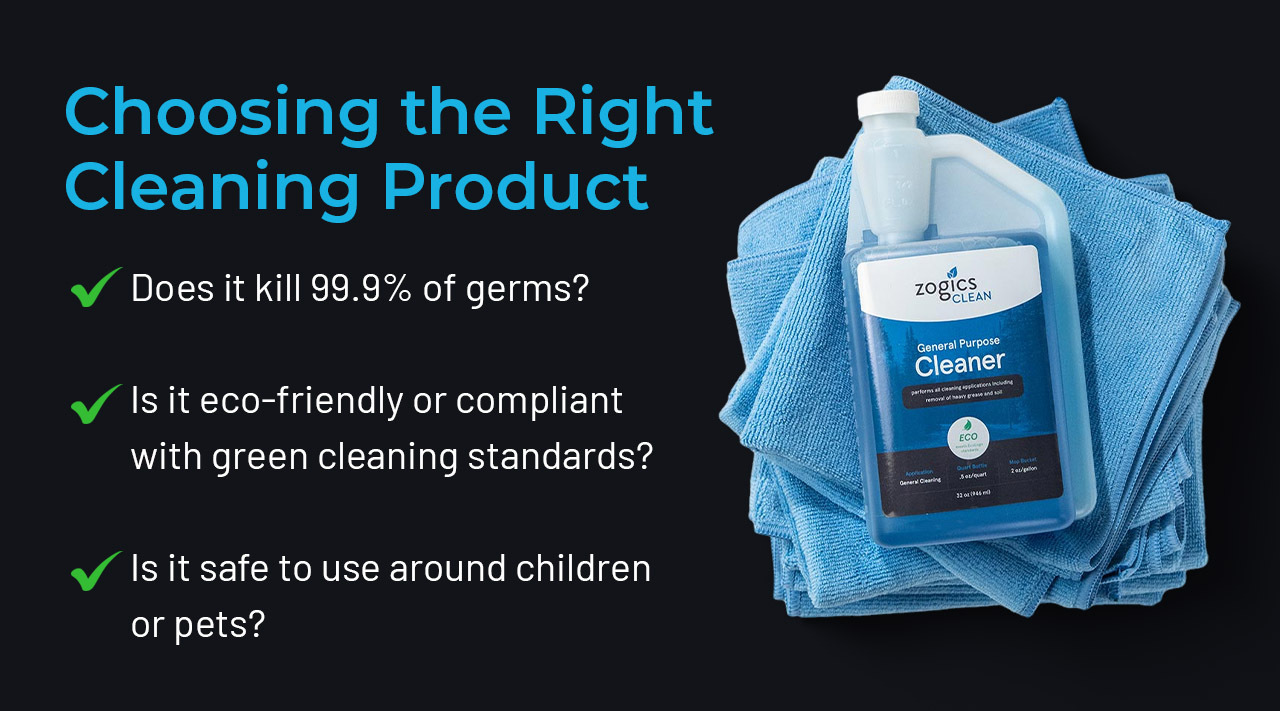
Why Choosing the Right Cleaning Product Matters
Not every cleaning product is designed for every surface or cleaning task. A product that works well on a commercial kitchen surface may not be suitable for glass, natural stone, hardwood, or electronic equipment.
Choosing the correct product can help:
- Reduce the time spent re-cleaning surfaces
- Protect floors, fixtures, and equipment
- Improve cleaning performance
- Reduce unnecessary product usage
- Create a safer environment for employees and customers
- Support consistent commercial cleaning procedures
Before using any product, check its label for the intended application, surface compatibility, dilution instructions, and safety requirements.
8 Common Types of Cleaning Products
1. All-Purpose and General-Purpose Cleaners
All-purpose cleaners are designed for everyday cleaning across multiple surfaces. They are useful for removing light dirt, dust, fingerprints, and everyday grime from surfaces such as desks, counters, plastic, and other hard surfaces.
They are particularly useful in:
- Offices
- Break rooms
- Restrooms
- Workstations
- Common areas
A general-purpose cleaner can help simplify janitorial supplies because one product may be suitable for several routine cleaning tasks.
For commercial facilities, explore all-purpose cleaners.
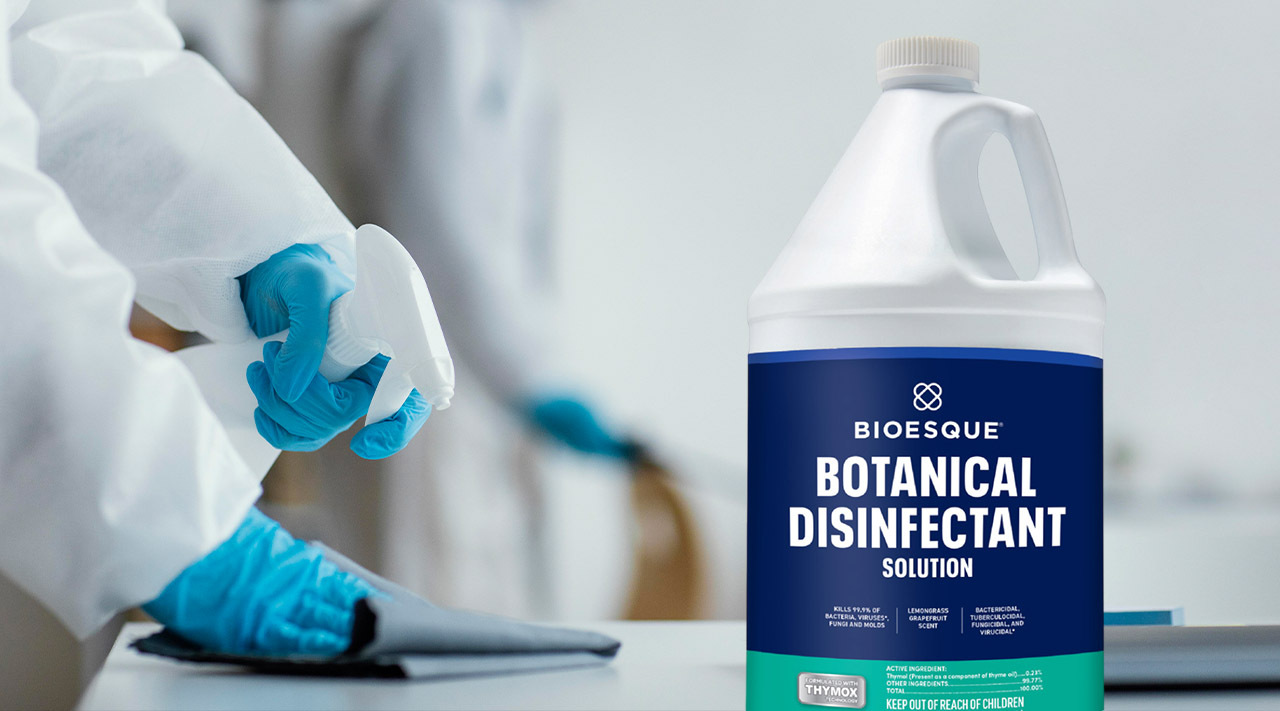
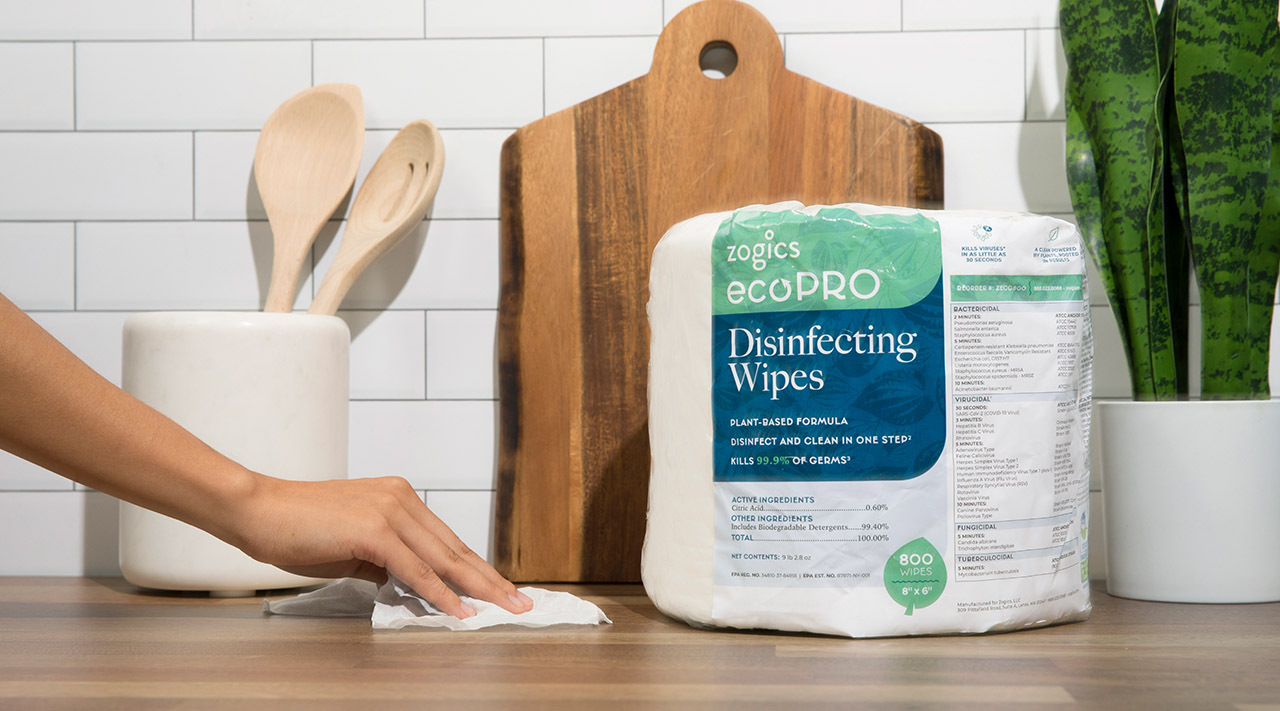
2. Disinfectants and Sanitizers
Disinfectants and sanitizers are used when reducing microorganisms on surfaces is an important part of the cleaning process.
A sanitizer is intended to reduce microorganisms to levels considered safe according to applicable standards, while a disinfectant is designed to destroy specified microorganisms when used according to its label.
Common disinfecting formulations may include:
- Quaternary ammonium compounds
- Hydrogen peroxide
- Alcohol-based ingredients
- Chlorine-based ingredients
Always follow the product label, including the required contact or dwell time. A disinfectant may need to remain visibly wet on a surface for a specific amount of time to work as intended.
Browse commercial disinfectants and sanitizing products for different cleaning applications.
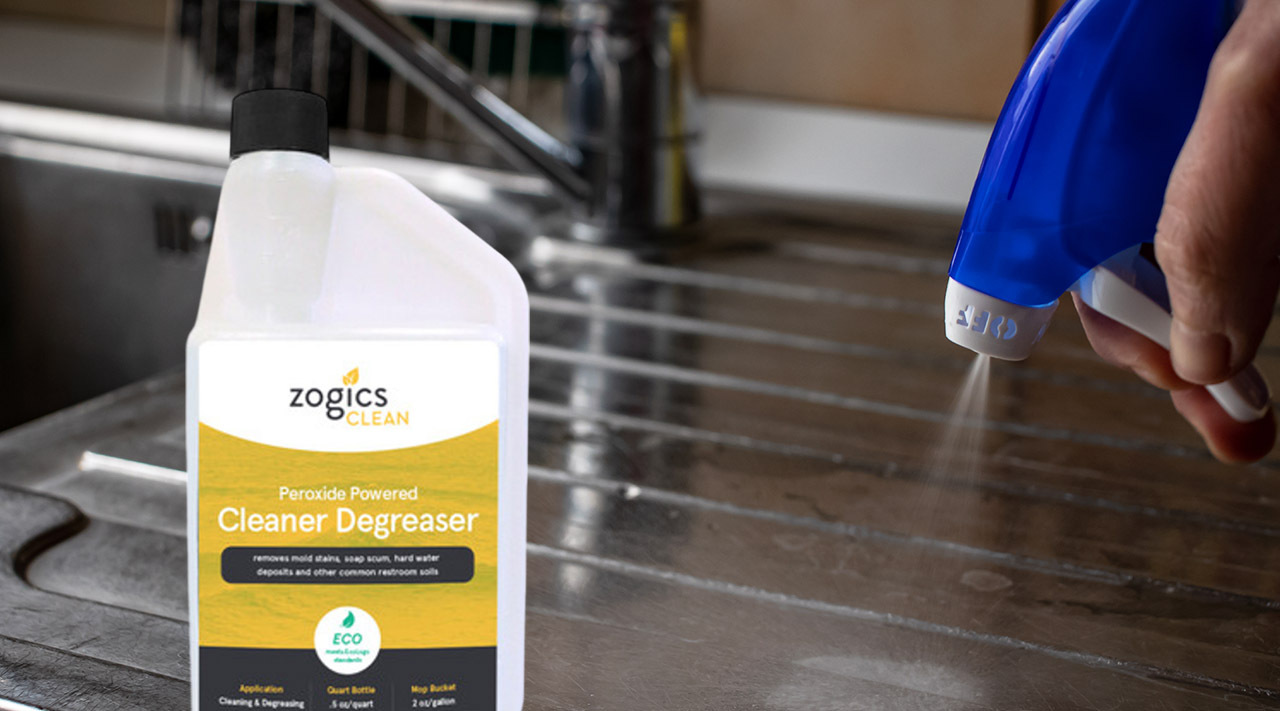
3. Degreasers
Degreasers are designed to remove grease, oil, and heavy grime. They are especially useful in commercial kitchens, workshops, warehouses, gyms, and other environments where oily buildup is common.
Depending on the formulation, degreasers may use surfactants, solvents, or other ingredients to loosen and remove grease.
They can be useful for:
- Kitchen equipment
- Floors
- Machinery
- Work areas
- Grills and heavily soiled surfaces
Choose a degreaser based on the type of grease, surface material, and cleaning requirements. Explore commercial degreasers for heavy-duty cleaning needs.
4. Abrasive Cleaners
Abrasive cleaners contain particles or materials that provide additional scrubbing action. They can help remove stubborn buildup such as soap scum, mineral deposits, and difficult stains.
They are commonly used in:
- Commercial bathrooms
- Sinks
- Tile surfaces
- Grills
- Heavy-duty cleaning areas
Abrasives should be used carefully because excessive scrubbing or an unsuitable product can damage delicate or glossy surfaces. Always check the manufacturer's recommendations and test the product on an inconspicuous area when necessary.
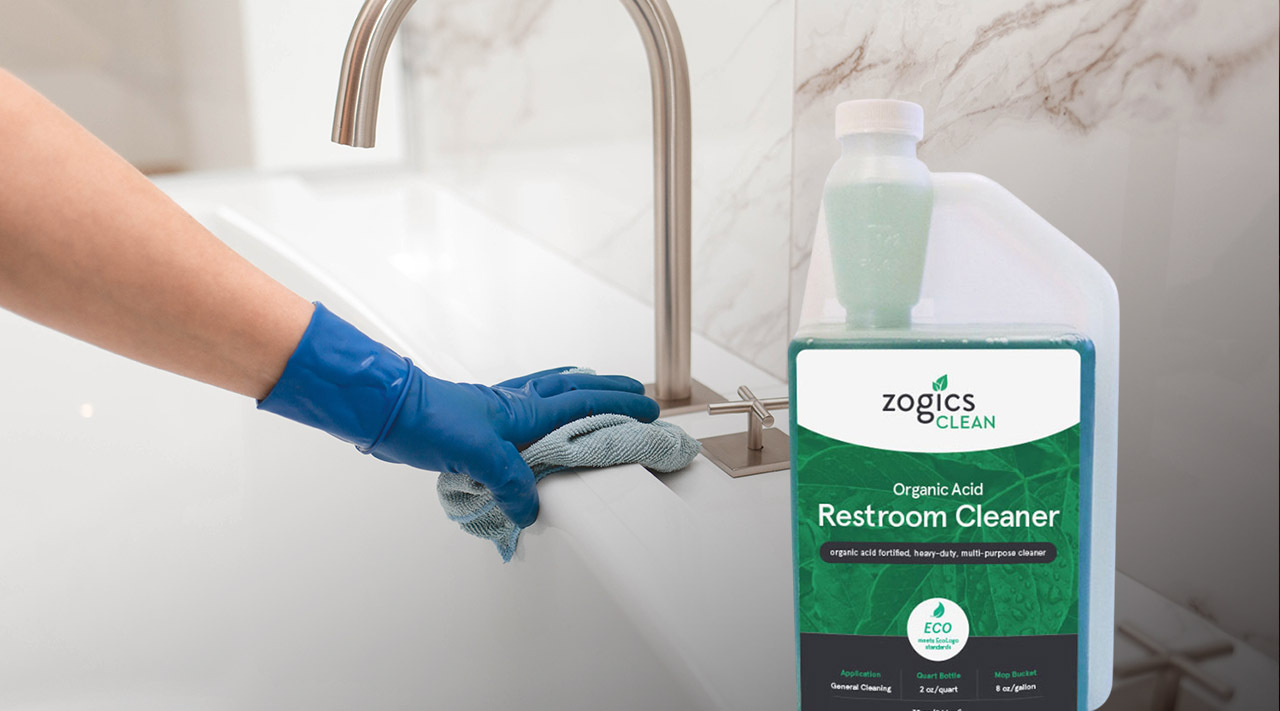
5. Acid Cleaners and Descalers
Acid-based cleaners and descalers are useful for removing mineral deposits caused by hard water. They can be used on appropriate surfaces such as certain bathroom fixtures, faucets, sinks, and commercial equipment.
Common acidic ingredients can include citric acid or phosphoric acid, depending on the product.
These products require particular care because acids can damage materials such as natural stone and certain metals.
Always check surface compatibility before use and never mix acidic cleaners with other chemicals.
For restroom maintenance, consider acid-based restroom cleaners.
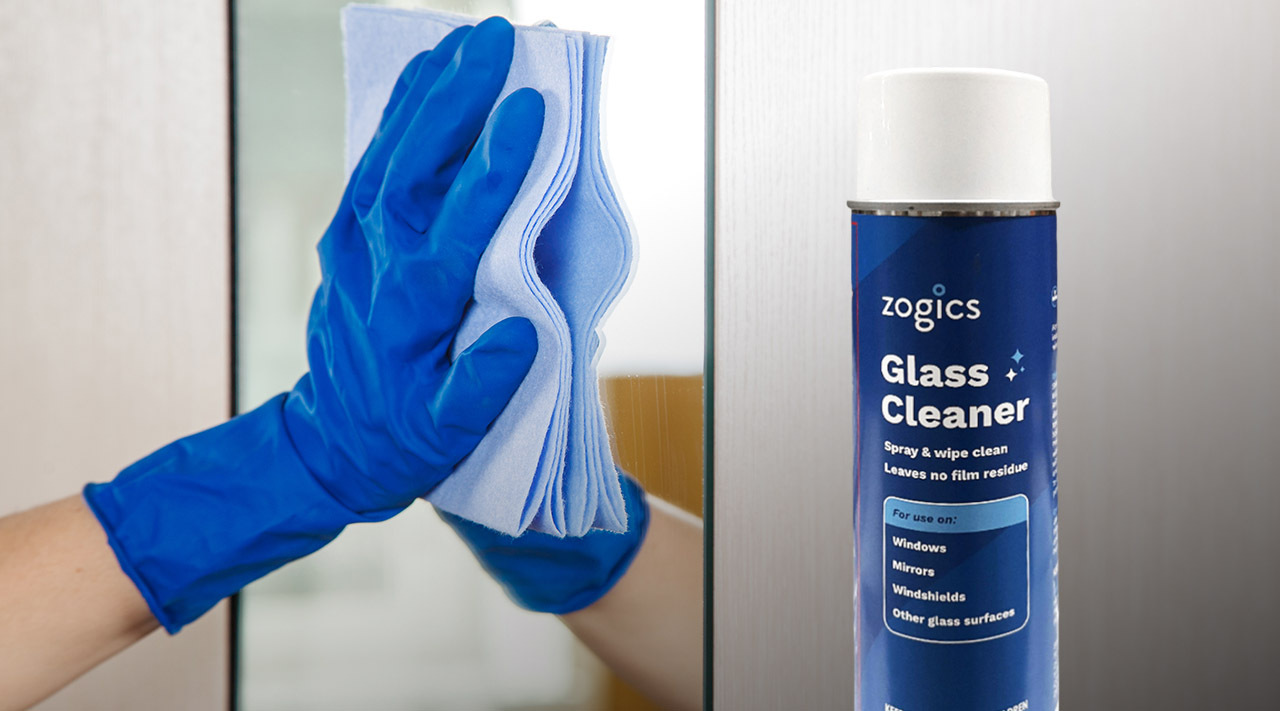
6. Glass Cleaners
Glass cleaners are formulated to remove fingerprints, dust, smudges, and light grime while minimizing streaks.
They are commonly used on:
- Windows
- Mirrors
- Glass doors
- Reflective surfaces
Many glass cleaners use fast-evaporating ingredients to help produce a clear finish. Always use the product according to its label and avoid applying unsuitable cleaners to specialty coatings or sensitive surfaces.
Explore glass cleaning products for commercial applications.
7. Floor Cleaners
Different flooring materials require different cleaning approaches. Using the wrong cleaner can leave residue, cause discoloration, or damage the finish.
For example:
- Hardwood: Use a cleaner recommended for the specific flooring finish and control moisture.
- Tile: Choose a product designed for the tile and grout.
- Carpet: Use a carpet-compatible cleaner appropriate for the cleaning method.
- Commercial floors: Select products based on the flooring material, soil level, and maintenance system.
Because floors experience constant foot traffic, choosing the correct commercial floor cleaner is important for both appearance and long-term maintenance.
Browse floor care cleaners for different commercial flooring needs.
8. Bathroom and Kitchen Cleaners
Specialized bathroom and kitchen cleaners are designed around the specific challenges found in these environments.
Bathroom cleaners may target soap residue, mineral deposits, odors, and other common restroom soils.
Kitchen cleaners may focus on grease, food residue, mineral buildup, and food-contact surface requirements.
Commercial kitchens may require a combination of:
- Degreasers
- Sanitizers
- Descalers
- General-purpose cleaners
Always verify whether a product is approved or labeled for food-contact surfaces and whether rinsing is required.
Eco-Friendly Cleaning Products
Many businesses are also looking for cleaning products that support sustainability and responsible facility management.
When evaluating an eco-friendly cleaning product, look beyond marketing claims and check for recognized certifications or specific product information.
Certifications and programs to look for can include:
- EPA Safer Choice
- Green Seal
- ECOLOGO
- USDA Certified Biobased Product
Eco-friendly products may also help facilities reduce certain environmental impacts and support green-cleaning programs.
However, "natural" does not automatically mean that a product is suitable for every cleaning or disinfection task. Always evaluate performance, surface compatibility, and safety alongside sustainability.
How to Choose the Right Cleaning Product
Before purchasing a cleaning product, consider these factors:
- Surface: What material are you cleaning?
- Soil: Are you removing dust, grease, mineral deposits, stains, or microorganisms?
- Cleaning purpose: Do you need a cleaner, sanitizer, disinfectant, degreaser, or specialty product?
- Safety: What PPE, ventilation, dilution, and handling requirements apply?
- Facility requirements: Does the product fit your commercial cleaning procedures?
Choosing products based on the actual cleaning task can reduce waste and improve overall cleaning efficiency.
Cleaning Product Safety and Storage
Cleaning chemicals should always be handled according to their labels and Safety Data Sheets (SDS).
Before using a product, check:
- Intended application
- Dilution instructions
- Required dwell time
- PPE requirements
- Surface compatibility
- Storage instructions
Never mix cleaning chemicals unless the manufacturer specifically instructs you to do so. Certain combinations, such as bleach and ammonia, can create dangerous gases.
Store products in their original labeled containers in an appropriate, secure area. Keep incompatible chemicals separated and restrict access to hazardous products where necessary.
Final Thoughts
Understanding the different types of cleaning products makes it easier to select the right solution for every cleaning task. All-purpose cleaners are useful for everyday dirt, disinfectants help address microorganisms, degreasers tackle grease, descalers remove mineral buildup, and specialized floor, glass, kitchen, and bathroom cleaners are designed for specific surfaces and environments.
For commercial facilities, the best approach is not simply choosing the strongest product. Instead, select a product that matches the surface, type of soil, cleaning objective, and safety requirements.
Explore commercial cleaning products from The Cleaning Station to find solutions for routine maintenance and specialized cleaning applications.
Frequently Asked Questions
What are the main types of cleaning products?
Common types include all-purpose cleaners, surface cleaners, disinfectants, sanitizers, degreasers, abrasive cleaners, descalers, glass cleaners, floor cleaners, bathroom cleaners, and kitchen cleaners.
What is the difference between a cleaner and a disinfectant?
A cleaner is primarily used to remove dirt and soil, while a disinfectant is designed to destroy specified microorganisms when used according to its label instructions.
What is a degreaser used for?
Degreasers are designed to remove grease, oil, and heavy grime from appropriate surfaces. They are commonly used in commercial kitchens, workshops, and other high-soil environments.
Are eco-friendly cleaning products effective?
They can be effective when properly formulated and used for the right application. Look for recognized certifications and always consider the product's intended purpose and performance.
Can cleaning products be mixed?
No. Do not mix cleaning products unless the manufacturer specifically says it is safe. Some combinations can create dangerous chemical reactions or fumes.
How do I choose the right cleaning product?
Consider the surface, type of soil, cleaning objective, product instructions, and safety requirements before selecting a cleaning solution.
Recent Posts
-
 Your facility is on a regular cleaning schedule. The crew shows up, runs the machine, and the floors …Sep 24, 2026
 -
How Dirty Floor Cleaning Machines Cause Streaks and Residue in Commercial Cleaning
A floor scrubber leaving streaks or residue after cleaning is one of the most common complaints in …Sep 22, 2026 -

Why Commercial Floors Feel Sticky After Cleaning (And How to Fix It)
Sticky floors after mopping are a common complaint in commercial facilities. The floor looks clean …Sep 22, 2026