

How to Prevent Residue Buildup on Commercial Floors
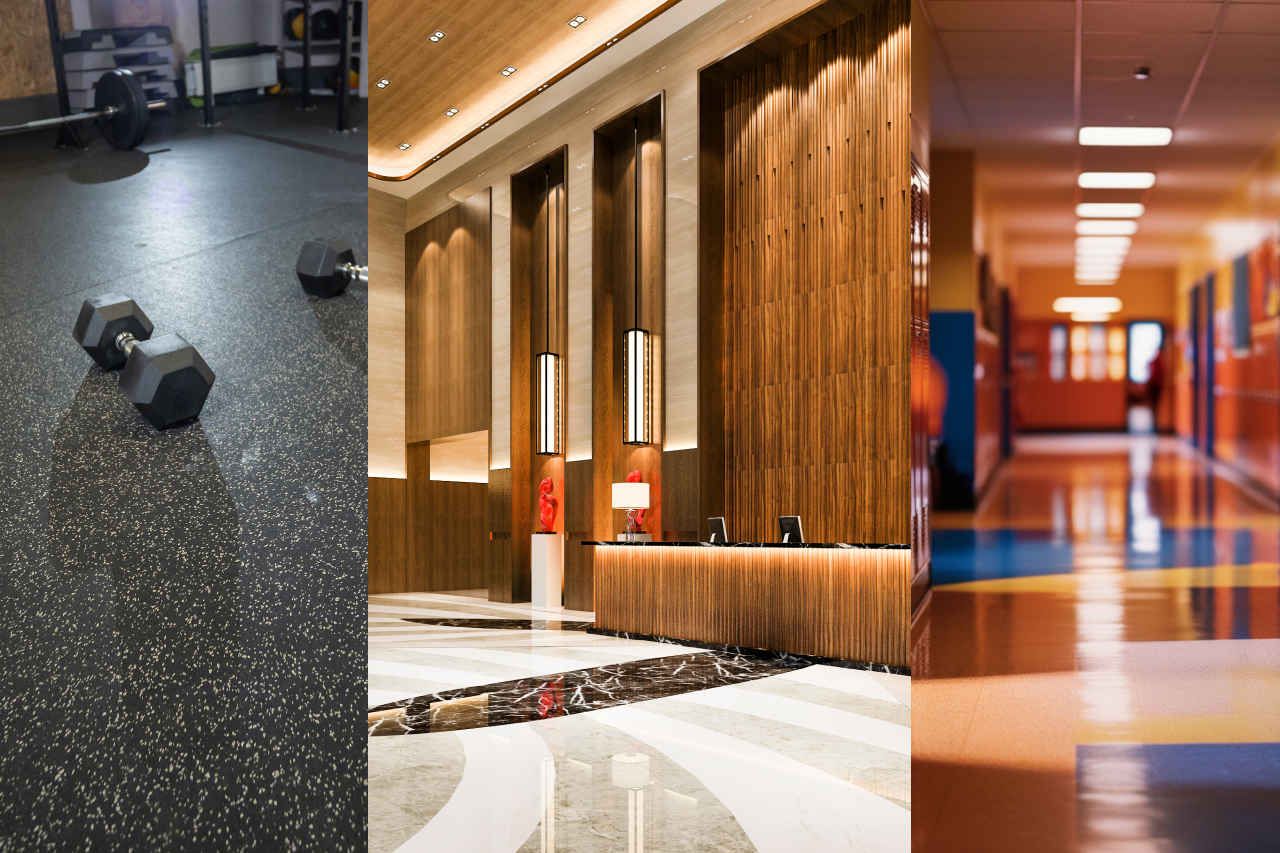
Residue buildup is one of the most common floor maintenance issues in commercial facilities. It creates tacky surfaces, dull finishes, and faster re-soiling in busy areas like hotel lobbies, gym floors, and school hallways. The problem comes down to how you're cleaning, not just what you're using. This guide covers what residue buildup is, what causes it, and how to stop it through consistent floor maintenance.
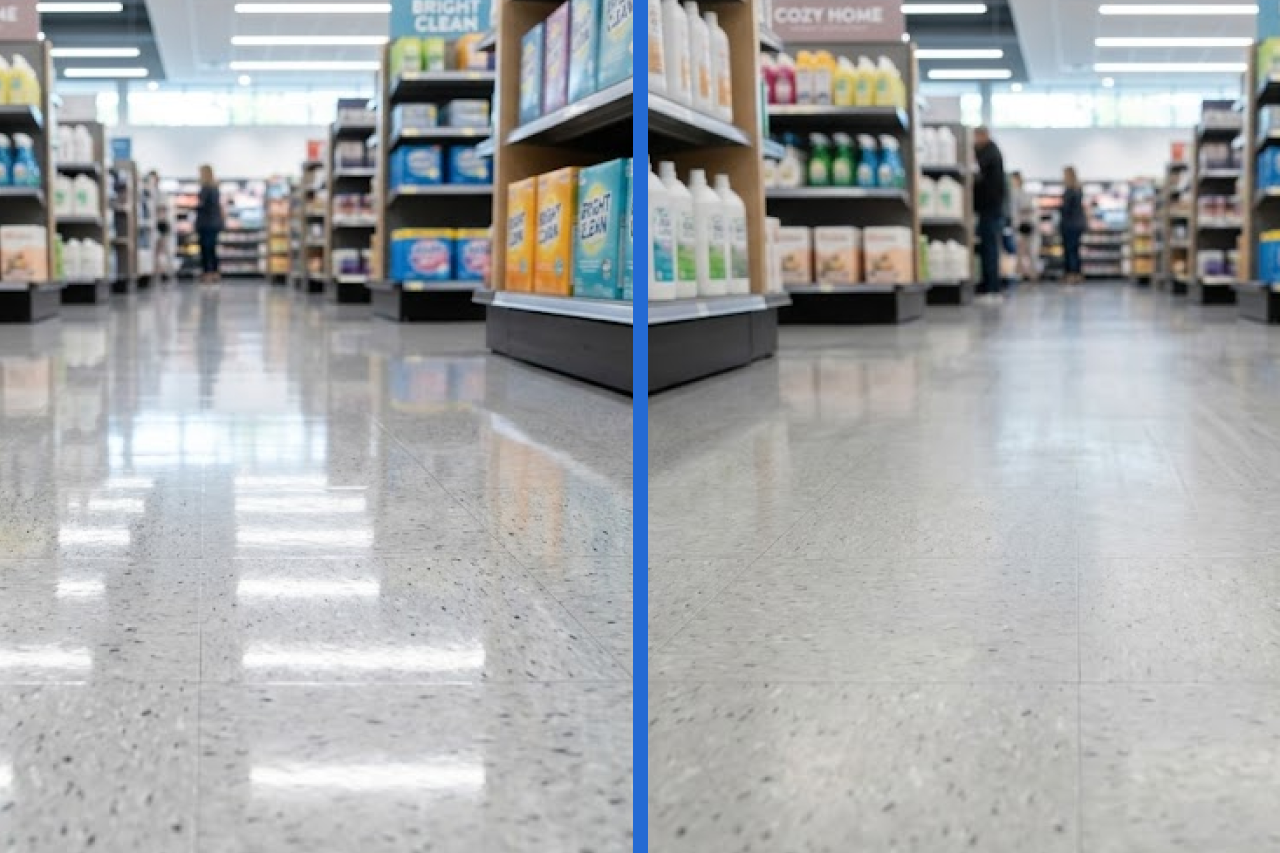
What is residue buildup on floors?
Residue buildup is the film of leftover cleaning solution, detergent, or soil that stays on the floor after cleaning. It occurs when the solution dries on the surface rather than being fully rinsed or lifted away. The result is sticky spots, visible streaks, or a dull, persistent haze across the floor, and because the film continues to attract soil, the surface re-dirties faster than it should between cleaning cycles.
What causes residue buildup on commercial floors?
Using too much cleaning solution
Pouring in more cleaner doesn't make floors cleaner. Over-concentrated solutions leave detergent film that attracts more dirt.
Not rinsing the floor properly
When the cleaning solution dries on the surface rather than being rinsed away, it hardens into a film that builds up over time.
Dirty floor cleaning equipment
Mop heads, scrubber pads, and solution tanks that haven't been cleaned spread old soil and detergent back onto the floor with each cleaning.
For facilities building out new floor care programs, see Floor Care Starter Kit Under $300: The Mop & Bucket Setup That Saves Custodians Time for equipment recommendations.
Using the wrong cleaner for the floor type
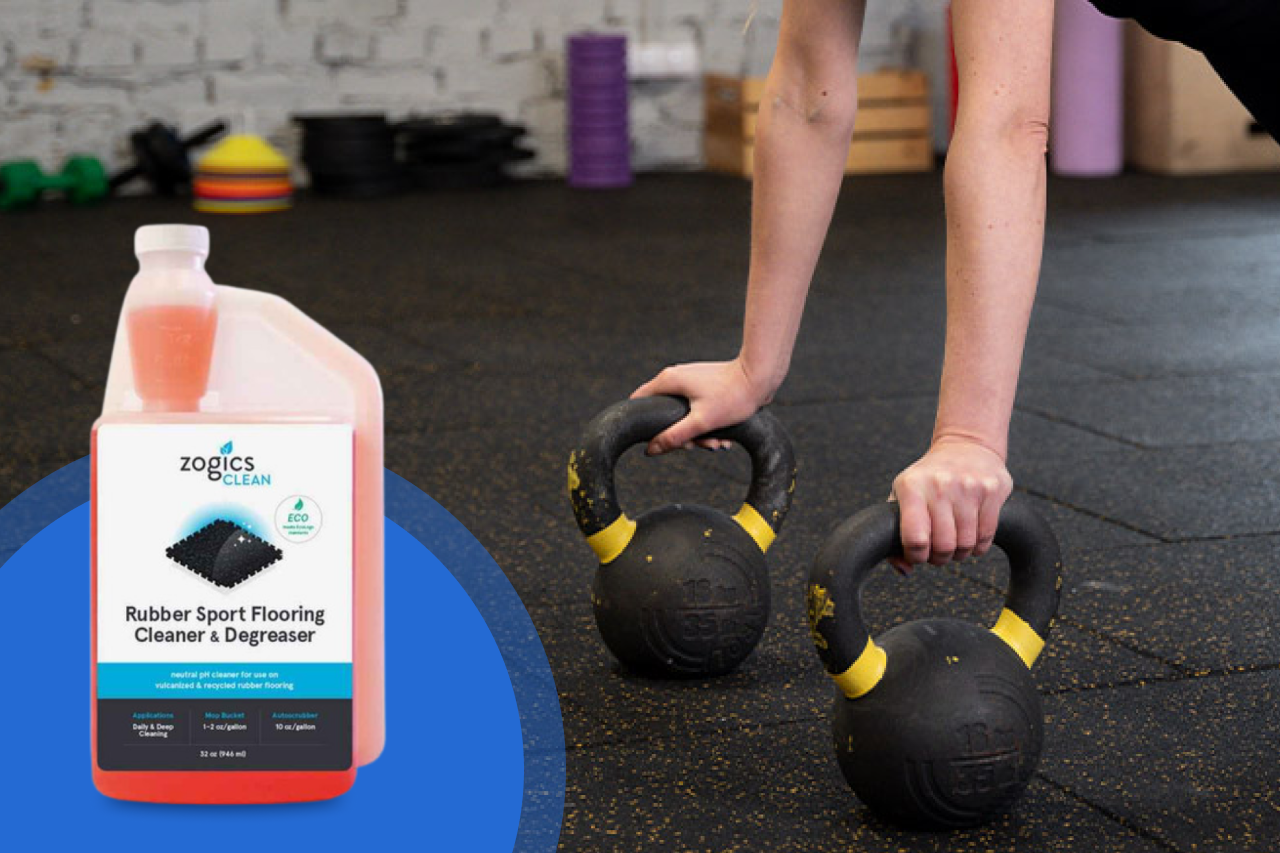
A floor cleaner designed for tile won't work the same way on rubber gym flooring or sealed concrete. Wrong chemistry leaves residue that doesn't rinse clean.
How to prevent residue buildup
Using the correct dilution ratio
Mix cleaners at the right strength; too much leaves detergent film on the floor. Measure each time—especially when new staff start or when you switch products.
For detailed guidance on mixing ratios and measuring techniques, see How to Properly Dilute Commercial Floor Cleaners.
Rinse floors when needed
Rinsing removes leftover cleaning solution, especially in heavily soiled areas or when using high-alkaline products. Some low-residue cleaners reduce or eliminate rinsing, but if floors feel tacky after drying, you're skipping a rinse that's needed. For guidance on when rinsing is necessary with automatic equipment, see Do You Need to Rinse Floors After Using a Floor Scrubber?
Keep floor cleaning equipment clean
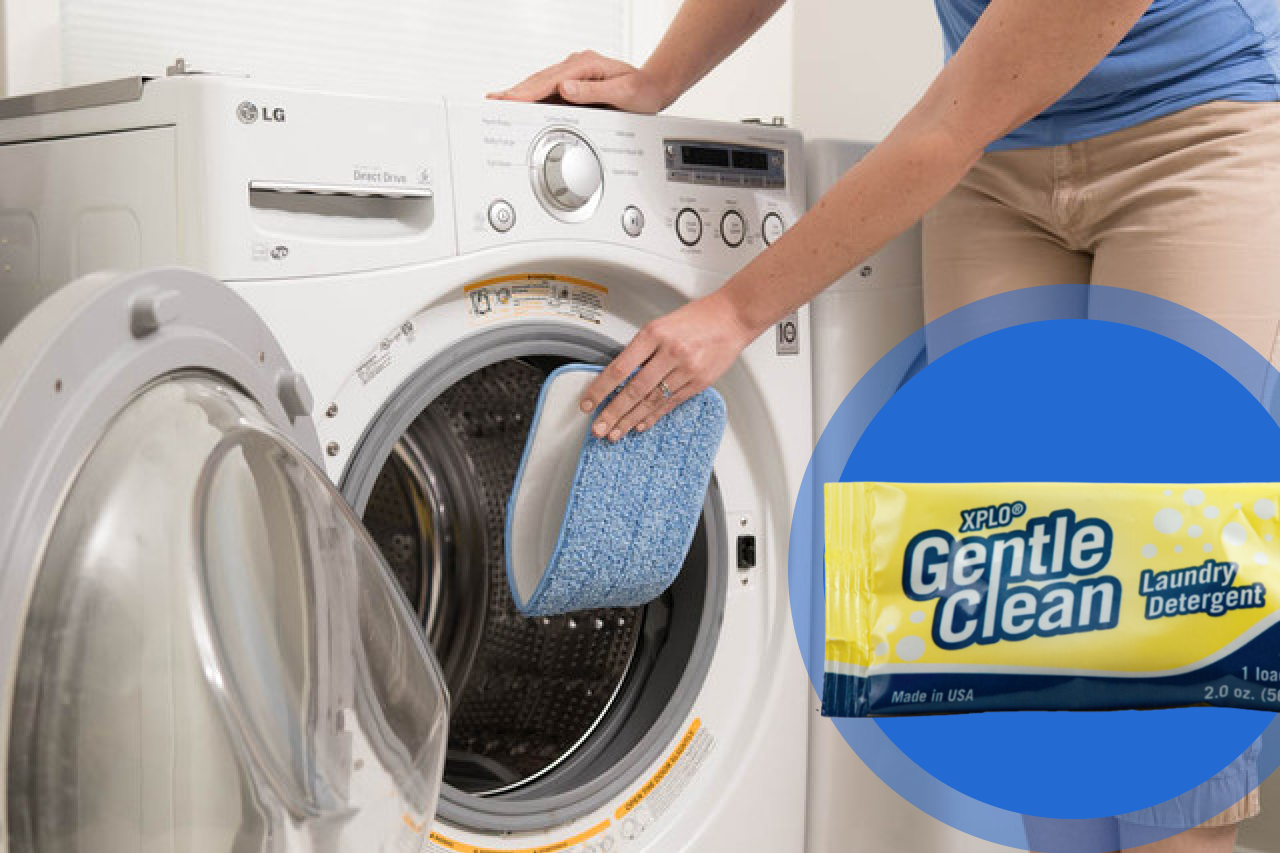
Dirty mop heads and scrubber pads move grime around instead of removing it. Rinse mop heads after every shift with a low-residue detergent in the correct amount, replace pads when they stop releasing soil, and flush scrubber tanks weekly.
Use the right floor cleaner
Different floor types require different cleaners. Rubber gym floors respond better to rubber floor cleaners with formulas designed for that surface. Ceramic tile, quarry tile, grout, and concrete in food service areas, schools, and restrooms benefit from enzyme-based cleaners that break down organic soil. Wood floors need oil-based cleaners that protect the finish. Using the wrong cleaner can also create slip hazards from residue buildup.
For more on preventing slippery conditions caused by cleaning product films and preferred cleaners by floor type, see How to Prevent Slippery Floors After Disinfecting: Custodian Safety Guide.
Signs Your Floor Cleaning Process Needs Adjustment
• Floors feel sticky after drying
• Visible streaks or haze remain after cleaning
• Rapid re-soiling in high-traffic areas
• Uneven finish across the same surface
Recommended Floor Cleaners for Residue-Free Results
When shopping for floor cleaners, look for formulas labeled as "low-residue," "residue-free," or "neutral pH." These are less likely to leave film behind. Avoid cleaners with added surfactants or high concentrations of fragrance oils, as both contribute to buildup.
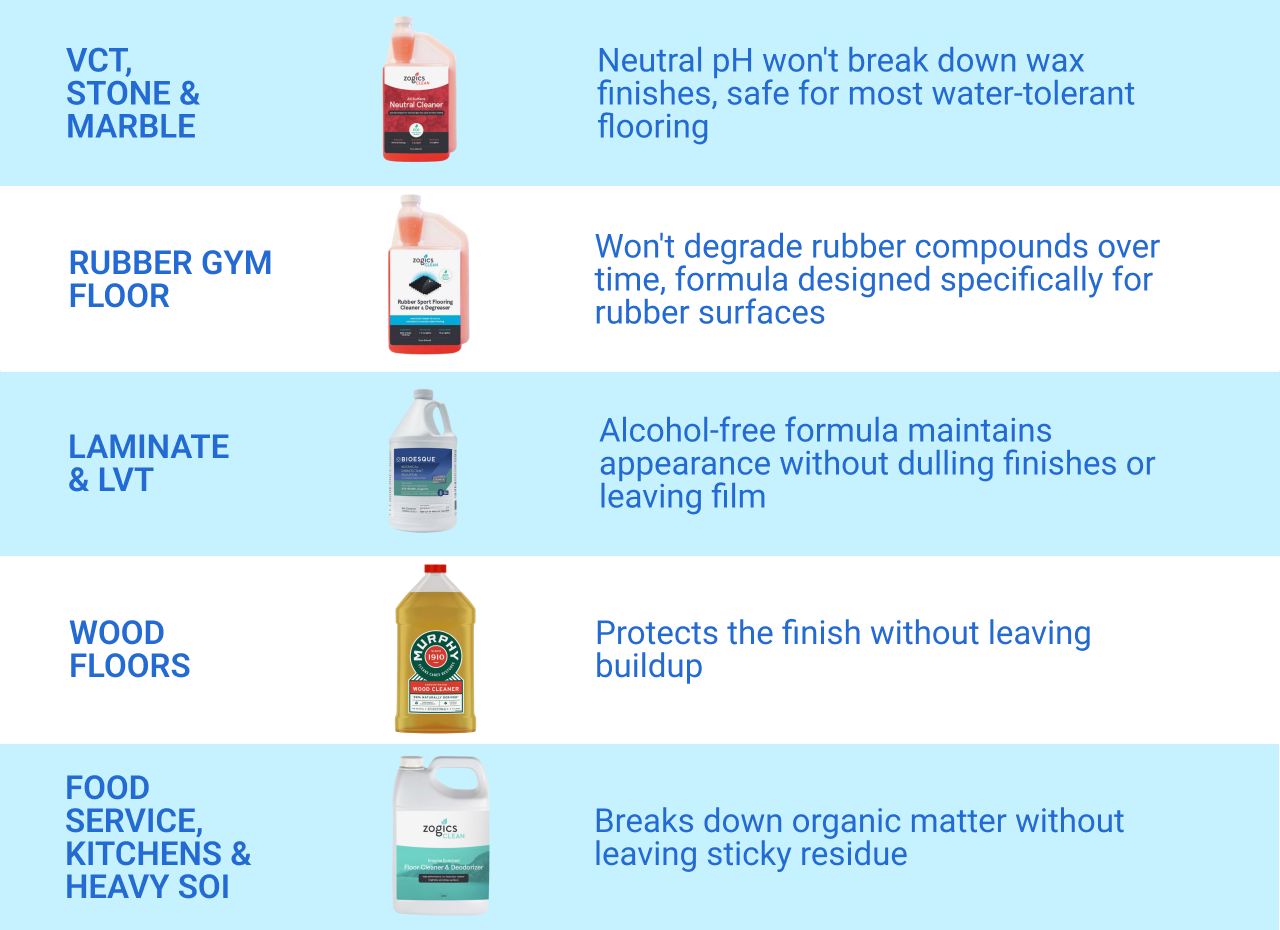
For facilities with multiple floor types, Zogics pH-Neutral Cleaner works well on VCT, stone, marble, and most flooring that isn't harmed by water—its neutral pH won't break down wax finishes. Rubber floors require a specialized formula like Zogics Rubber Flooring Cleaner, which won't degrade the material over time.
For laminate and LVT, alcohol-free botanical disinfectants maintain appearance without dulling finishes or leaving film. Wood floors need oil-based cleaners that protect the finish without leaving buildup.
If your facility deals with heavy soil in kitchens or food service areas, Zogics Enzyme Enriched Floor Cleaner breaks down organic matter without leaving sticky residue.
Match the cleaner to your floor type. Make sure it's designed to rinse clean.
Maintaining Residue-Free Floors Across Facilities
Residue buildup gets controlled through consistent cleaning processes, not by using more chemicals. Proper dilution, clean equipment, and the right products reduce rework, improve floor appearance, and keep cleaning outcomes stable across hotels, gyms, schools, and other high-traffic facilities.
The Cleaning Station provides commercial floor cleaning supplies and bulk cleaning chemicals that support standardized cleaning operations.
Frequently Asked Questions
Why do commercial floors get sticky after cleaning?
Floors get sticky after mopping when excess cleaning solution dries on the surface instead of getting rinsed away. Residual detergent forms a film that attracts dirt and feels tacky underfoot.
How to clean sticky floors?
Start with warm water and a clean mop. If stickiness persists, choose a cleaner designed for your floor type. Follow the product's mixing instructions, mop the affected area, then rinse with clean water. Change mop water when it turns cloudy.
Do you need to rinse after using a commercial floor cleaner?
It depends on the product and soil level. High-alkaline cleaners or heavy soil loads require rinsing. Many low-residue neutral cleaners reduce or eliminate rinsing when used at proper dilution.
Can using too much cleaner damage floors?
Yes. Overuse leaves buildup that dulls finishes, creates sticky surfaces, and, in some cases, breaks down floor coatings over time.
What type of cleaners leave the least residue?
Neutral pH, low-residue floor cleaners designed for specific surfaces leave the least buildup when used at the correct mixing ratio. Look for products labeled "no-rinse" or "low-residue" and follow manufacturer dilution instructions.
Recent Posts
-
 Your facility is on a regular cleaning schedule. The crew shows up, runs the machine, and the floors …Sep 24, 2026
 -
How Dirty Floor Cleaning Machines Cause Streaks and Residue in Commercial Cleaning
A floor scrubber leaving streaks or residue after cleaning is one of the most common complaints in …Sep 22, 2026 -

Why Commercial Floors Feel Sticky After Cleaning (And How to Fix It)
Sticky floors after mopping are a common complaint in commercial facilities. The floor looks clean …Sep 22, 2026