
Different Types of Mops Explained: Which is Best?
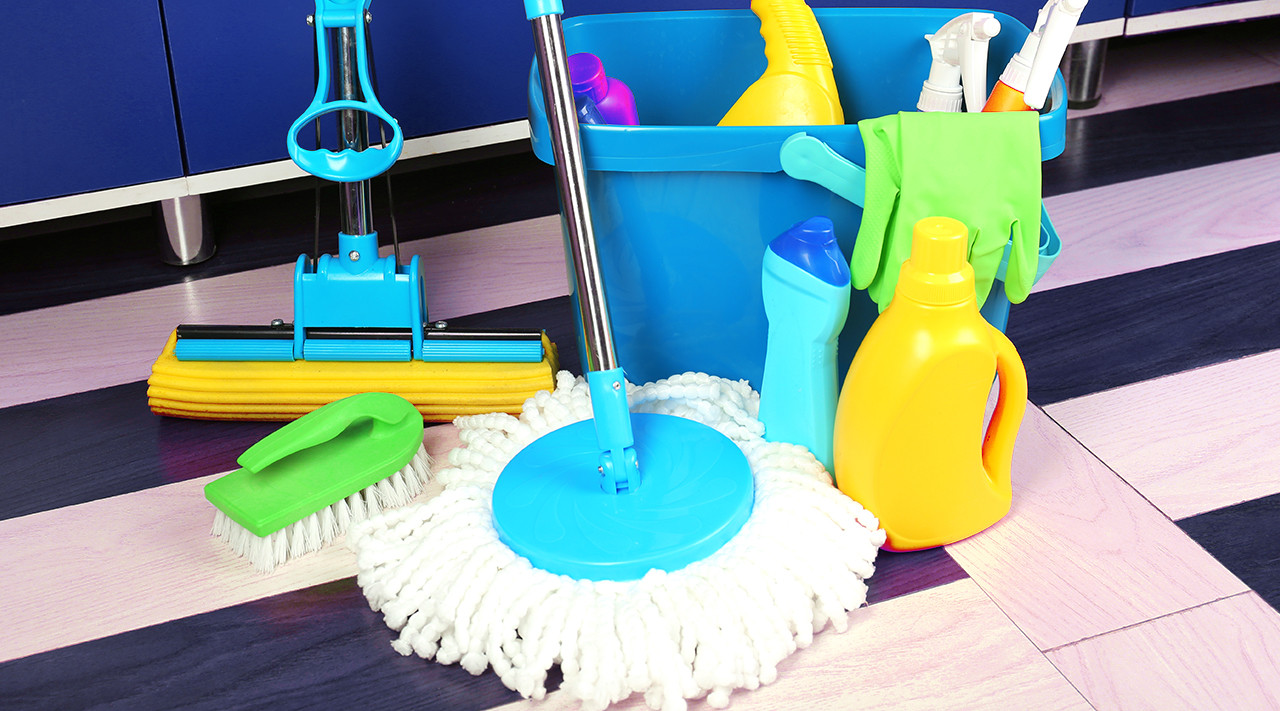
The right mop depends on your floor type, your cleaning task, and how often your space gets cleaned. Spin, flat, string, steam, sponge, dust — each mop type solves a different problem. This guide breaks them all down so you can pick the right one for your facility or home without guessing.
Table of Contents:-
- Introduction to Mops: A Cleaning Essential
- What Are the Different Types of Mops?
- Mop Types: Pricing and Features Comparison
- Pros and Cons of Each Mop Type
- Spin Mops: Effortless Wringing and Versatility
- Flat Mops: The Modern Choice
- Sponge Mops: For Delicate Surfaces
- String Mops: The Traditional Workhorse
- Steam Mops: Chemical-Free Cleaning
- Dust Mops: Keeping It Dust-Free
- Specialty Mops: Beyond the Basics
- Maintenance, Care, and Replacement Tips
- Selecting the Right Mop for Your Needs
- Frequently Asked Questions
Introduction to Mops: A Cleaning Essential
Mops have evolved from basic cotton strands to purpose-built systems designed for specific floors, soil loads, and hygiene requirements. Whether you manage a high-traffic facility or clean a single-family home, the mop you choose affects how quickly floors dry, how much bacteria gets removed, and how long your floors last. Picking the wrong type wastes time and can damage flooring — picking the right one makes the job faster and the results more consistent.
What Are the Different Types of Mops?
The US Manual Cleaning Mops Market was valued at $448.50 million in 2022 and is projected to reach $522.51 million by 2028 — steady growth that reflects sustained demand across both residential and commercial cleaning. The global cleaning mop market was valued at approximately $7.3 billion in 2025, with flat microfiber mops holding the largest segment share at 34.2% (Dataintelo, 2025).
Each mop type is built for a specific job. Matching the mop to the task — rather than defaulting to one type for everything — is how facilities build a versatile cleaning program that actually works.
Here's a quick-reference summary before we go deeper:
| Mop Type | Best For | Best Floor Pairing |
|---|---|---|
| Flat mop | Daily maintenance, quick cleaning | Hardwood, laminate, polished tile |
| Spin mop | Deeper cleaning, moisture control | Tile, vinyl, linoleum |
| String mop | Heavy-duty, high-soil areas | Tile, concrete, commercial kitchens |
| Steam mop | Chemical-free sanitizing | Sealed tile, sealed vinyl |
| Sponge mop | Spot cleaning, delicate surfaces | Smooth hardwood, marble, laminate |
| Dust mop | Dry sweeping before wet mopping | All hard floor surfaces |
1. Spin Mops
Best for tile, vinyl, and linoleum, the spinning bucket mechanism gives you direct moisture control before the head touches the floor. See the full breakdown in the Spin Mops section below.
2. Flat Mops
The most widely used type in commercial cleaning, holding a 34.2% global market share (Dataintelo, 2025). Best for hardwood, laminate, and polished tile. Full details in the Flat Mops section.
Curious how flat mops stack up against spin mops? Check out this comparison to find the best fit for your routine.
3. Steam Mops
Sanitize without chemicals using heat alone, effective on sealed tile and vinyl, but not safe for hardwood or laminate. See the Steam Mops section for surface compatibility.
4. Sponge Mops
Gentle on smooth surfaces, but foam heads retain bacteria and need weekly replacement in commercial settings. Full guidance in the Sponge Mops section.
Still unsure if a sponge mop is the right fit? Compare sponge mops and string mops in this detailed guide.
5. String Mops
Highest absorbency of any mop type — 16–24 oz per head — making them the go-to for heavy soil and large spills. Details in the String Mops section.
6. Dust Mops
Dry mops used before wet mopping to collect grit and debris that would otherwise scratch floors. See the Dust Mops section for frame sizing and technique.
7. Specialty Mops
Spray mops, robotic mops, industrial wet mops, and color-coded systems for specific facility needs. Full coverage in the Specialty Mops section.
Mop Types: Pricing and Features Comparison
Not sure which mop fits your budget and facility needs? The table below pulls real pricing from The Cleaning Station's current inventory alongside the key specs that matter most for commercial and residential buyers.
| Mop Type | Featured Product | Price | Head Material | Best Floor | Ideal Use | Head Lifespan |
|---|---|---|---|---|---|---|
| Flat / String Mop Head | Boardwalk Cut-End Lie-Flat Wet Mop Head, 12/case | $89.22/case ($7.44/head) | Rayon, 4-ply | Tile, vinyl, linoleum | Daily commercial wet mopping | 15–30 washes (cut-end) |
| String Mop Head (Cotton) | Boardwalk Cut-End Wet Mop Head, Cotton No. 24 | $7.95/head | Cotton | Tile, concrete, kitchens | Heavy-soil scrubbing, spills | 15–30 washes |
| Flat Mop Bundle | Boardwalk Mop Bundle — Microfiber Wet + Dry Pad, 18" Head + Handle | $64.29 | Microfiber | Hardwood, laminate, polished tile | Daily maintenance, healthcare, offices | 300–500 wash cycles |
| Flat Mop Frame + Handle | Heavy Duty Microfiber Wet Mop Frame & Handle Bundle | $43.24 | Microfiber (pads sold separately) | All sealed hard floors | Large-area daily mopping | Pad-dependent |
| String Mop + Handle Bundle | Certo Wet Mop Head + Superjaws Handle Bundle | $21.95 (reg. $32.95) | Cotton/synthetic blend | Tile, concrete | General-purpose wet mopping | 15–30 washes |
| Dust Mop Head | Boardwalk Industrial Dust Mop Head, 36" x 5" | $16.95 | 10-ply Hygrade cotton | All hard floors | Pre-sweep before wet mopping | Replace when fibers mat |
| Disposable Flat Mop (Spray) | Swiffer Sweeper Mop, 10" Wide, Green | $30.95 | Disposable cloth pad | Hardwood, tile, laminate | Quick dry/wet maintenance, single-use hygiene zones | Single-use pads |
| Steam Mop Replacement Pads | Bissell PowerSteamer Microfiber Mop Pad, 3/Pack | $24.95 (reg. $32.95) | Microfiber | Sealed tile, sealed vinyl | Chemical-free sanitizing | Replace when worn |
| Mop Bucket | Rubbermaid WaveBrake 2.0 Bucket, 35 qt | $110.95 | Plastic, 4 casters | Pairs with any wet mop | High-volume commercial mopping | 3-year warranty |
| Bucket + Wringer Combo | WaveBrake 2.0 Bucket/Wringer Combo, 35 qt | $189.95 | Plastic, wringer included | Pairs with string or spin mop | Full commercial mopping system | 5-year wringer warranty |
How to read this table: Prices reflect current sale pricing at The Cleaning Station. Head lifespan figures are based on commercial-use frequency. For facilities running daily cleaning cycles, the per-wash cost of microfiber flat mop pads ($64.29 ÷ 300 washes = ~$0.21/use) is significantly lower than replacing cut-end cotton heads every 15–30 washes.
Shop the full mop and bucket collection at The Cleaning Station →
Pros and Cons of Each Mop Type
Making the right choice starts with knowing the tradeoffs. Here's a straight comparison of all seven mop types — what each one does well and where it falls short.
| Mop Type | Pros | Cons |
|---|---|---|
| Spin Mop | Direct moisture control via spinning bucket; 360° swivel handle navigates furniture; two-compartment bucket keeps clean/dirty water separate; low slip risk | Round head misses tight corners; not built for heavy-soil scrubbing; microfiber head less effective on grease-heavy floors; spinner adds cost vs. basic systems |
| Flat Mop | Fastest daily maintenance — 300 sq m in 25 min; 95% microbial reduction with microfiber; pads last 300–500 wash cycles; low-profile head slides under furniture | Low water capacity — not for large spills; pads require regular laundering; higher upfront cost than string heads; limited scrubbing on heavily soiled floors |
| String Mop | Highest absorbency — 16–24 oz per head; reaches grout lines and textured surfaces; handles large spills and high-soil floors; loop-end versions are durable long-term | Heavy when saturated — increases operator fatigue; cut-end heads degrade in 15–30 washes; documented cross-contamination risk; slow drying — must hang to prevent mildew |
| Steam Mop | Sanitizes without chemicals; eliminates up to 99.9% of bacteria using heat; reduces chemical costs and exposure risk; effective on grease and soap scum | Not safe for unsealed hardwood, laminate, or stone; requires heat-up time; limited to sealed surfaces only; mineral buildup in reservoir if tap water is used |
| Sponge Mop | Gentle on smooth, delicate surfaces; built-in squeeze wringer controls moisture; good for spot cleaning and small-area spills; inexpensive and widely available | Foam retains bacteria — weekly replacement needed in commercial use; not suitable for textured tile or grout; not for healthcare or hygiene-critical zones; short head lifespan |
| Dust Mop | Essential pre-wet-mopping step — removes grit that scratches floors; microfiber heads trap fine particles via static charge; available in 18"–60" widths; reduces airborne allergens | Dry use only — not for spills or wet cleaning; cotton heads need regular laundering; requires a separate wet mop for full cleaning cycle; wider frames less maneuverable in tight spaces |
| Specialty Mop | Spray mops eliminate the need for a bucket; robotic mops provide autonomous coverage; industrial heads handle 32–40 oz for warehouse-scale jobs; color-coded systems prevent cross-contamination | Spray reservoir limits coverage area per fill; robotic mops can't replace commercial-grade manual mopping; industrial mops are heavier and more expensive; color-coded systems require staff training |
Spin Mops: Effortless Wringing and Versatility
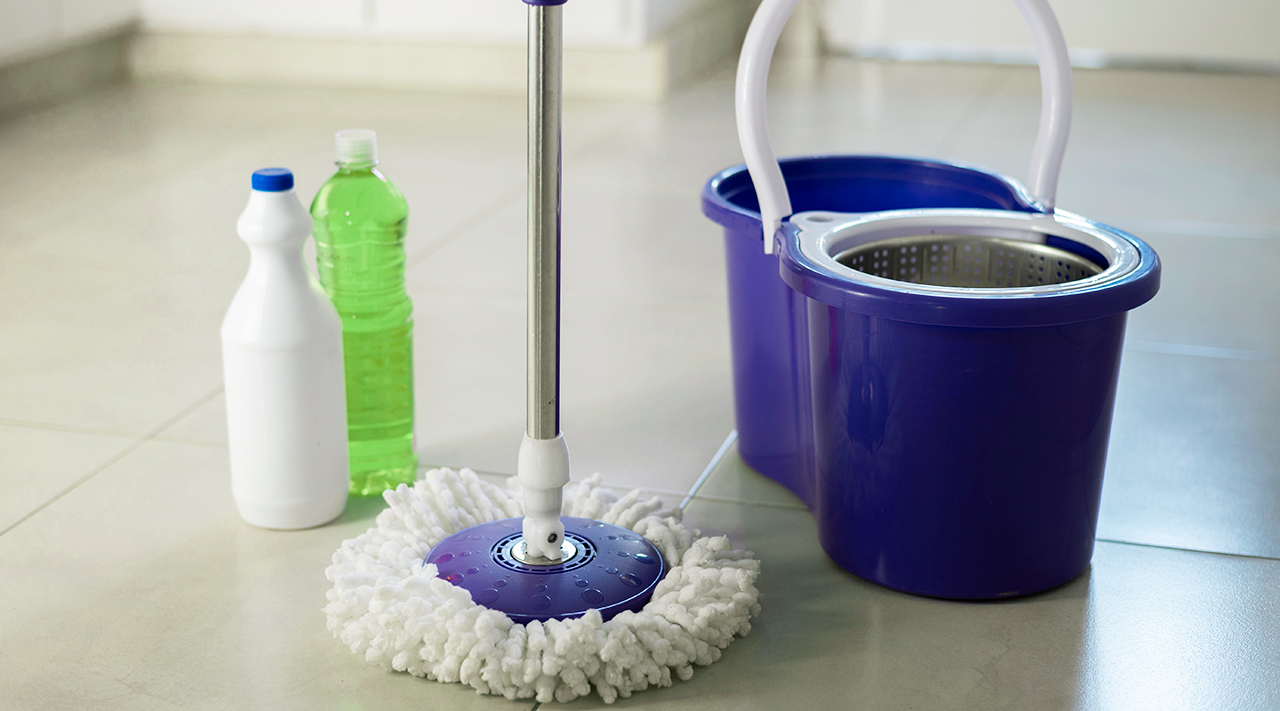
A spin mop combines a round microfiber head with a bucket-and-spinner system. After dipping the mop, you press a foot pedal or hand lever to spin the head inside the bucket, removing excess water before the mop touches the floor. That wringing step is what sets spin mops apart — it gives the operator direct control over how wet the mop head is, which matters on tile, vinyl, and sealed hardwood where standing water causes damage.
The round head and 360-degree swivel handle let you work around furniture legs, into corners, and along baseboards without repositioning. Most commercial spin mop systems include a two-compartment bucket — one side for clean solution, one for wringing — which keeps dirty water separate and extends the useful life of each bucket of solution.
Where spin mops fall short: they're not built for heavy-duty scrubbing. Grease-heavy floors in commercial kitchens or high-soil utility areas are better served by a string mop. For those tasks, the round microfiber head lacks the abrasion and absorbency of a looped-end cotton mop.
Best for: offices, retail spaces, hospitality venues, short-term rentals, and any facility where moisture control and slip prevention are priorities.
Flat Mops: The Modern Choice
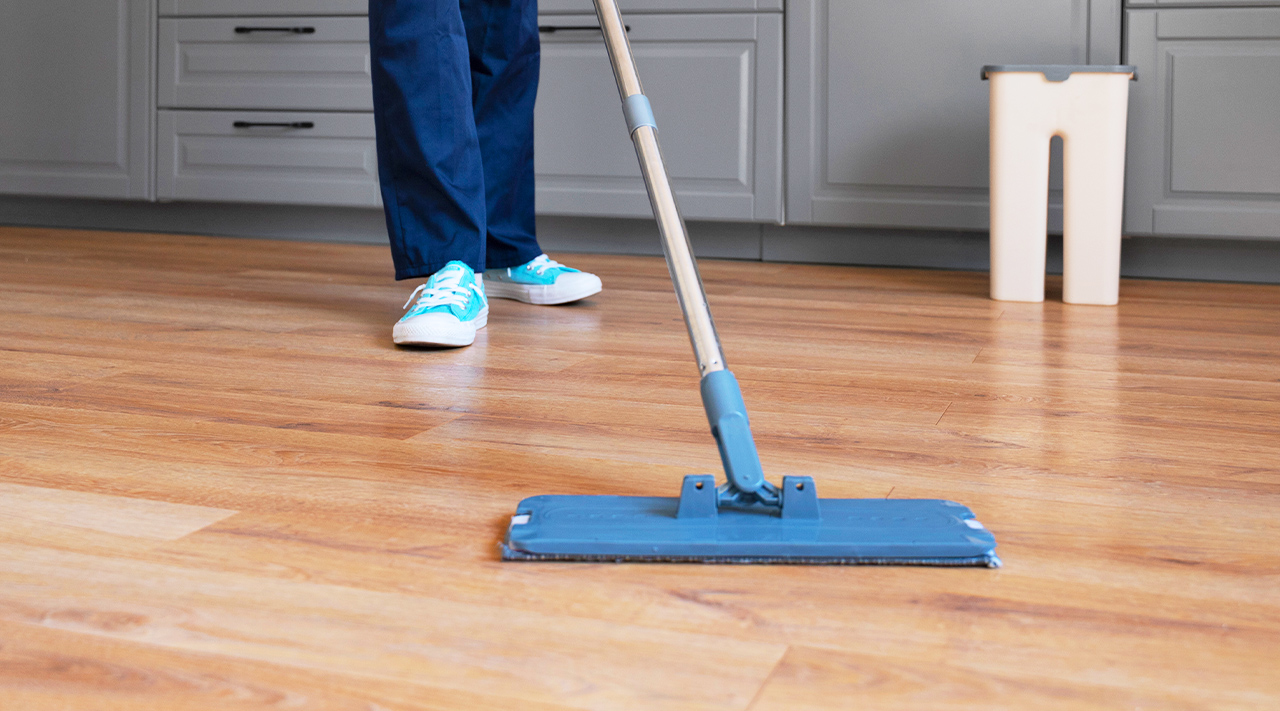
Flat mops are the most widely used mop type in professional cleaning for good reason: they're fast, low-moisture, and built for the daily maintenance that keeps commercial floors looking clean between deep-clean cycles.
The rectangular head — typically fitted with a reusable microfiber pad or disposable pad — lies flat against the floor for consistent surface contact. The low-profile design slides under furniture, into corners, and along baseboards without lifting. That maneuverability is one reason flat mops dominate in offices, classrooms, healthcare corridors, and retail spaces.
Microfiber flat mops deliver 95% microbial reduction compared to 68% for cotton string mops (EPA Microfiber Mopping Report). The split polyester-polyamide fibers generate a static charge that lifts and traps particles rather than pushing them across the floor. A single pad covers 250–300 square feet and can be laundered 300–500 times before replacement — which makes the higher upfront cost (typically $12–35 per head vs. $3–8 for string) offset over time through lower per-cycle cost (Green Seal, 2025).
Flat mops keep the cleaning process hands-free and hygienic. Pads clip or velcro on and off without contact, and reusable pads go straight into a laundry bag for washing.
Labor efficiency is another factor. Flat mop systems clean approximately 300 square meters in 25 minutes, compared to 45 minutes for string mop systems covering the same area (Rubbermaid Commercial, 2026). For facilities with large floor areas and daily cleaning schedules, that gap adds up quickly.
Where flat mops fall short: they don't have the water capacity or scrubbing action for heavy soil, grease, or large liquid spills. String mops handle those tasks better. For routine daily maintenance on smooth commercial floors, though, flat microfiber is the practical standard.
Best for: healthcare, hospitality, offices, classrooms, retail spaces, and any facility prioritizing hygiene and daily maintenance speed.
Sponge Mops: For Delicate Surfaces
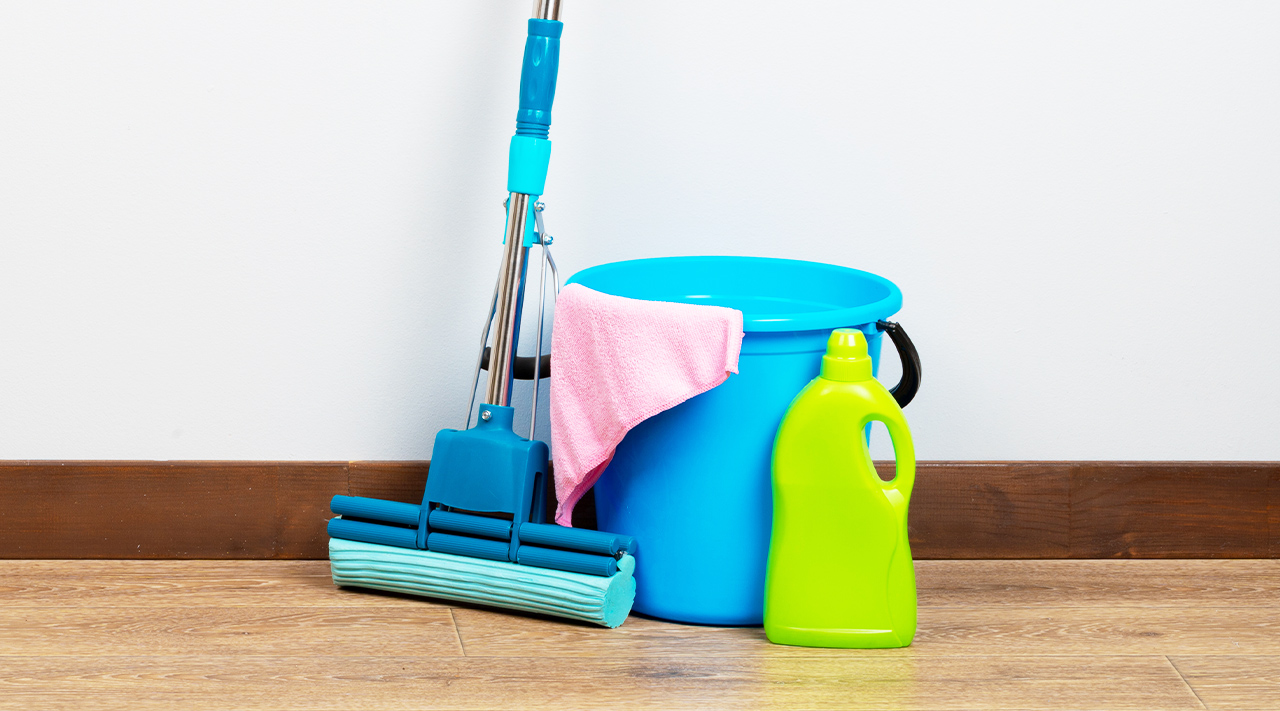
Sponge mops work best in a narrow set of situations: light spills, spot cleaning, and smooth surfaces that need a gentle touch. The foam head absorbs water quickly and applies even pressure without scratching — useful on hardwood floors, marble tiles, laminate, and linoleum. The built-in squeeze wringer lets you control moisture without wringing by hand, which helps protect water-sensitive surfaces.
The limitation is hygiene. Sponge foam traps bacteria and debris inside its structure — and unlike microfiber, it doesn't release those contaminants fully during rinsing. In commercial settings, sponge heads should be replaced weekly in high-use areas. Many sponge mops are not suitable for healthcare restrooms or any regulated facility zone where cross-contamination is a concern.
For more tips on choosing the right tools and products, check out our guide on the best commercial cleaning supplies for sparkling results.
To get the most out of your sponge mop:
- Rinse the sponge head thoroughly after each use
- Allow it to dry completely between uses to prevent mold growth
- Replace the sponge head regularly — in commercial use, weekly replacement is the standard
Best for: residential spot cleaning, small smooth-surface areas, and light-duty commercial use where the head is replaced frequently.
String Mops: The Traditional Workhorse
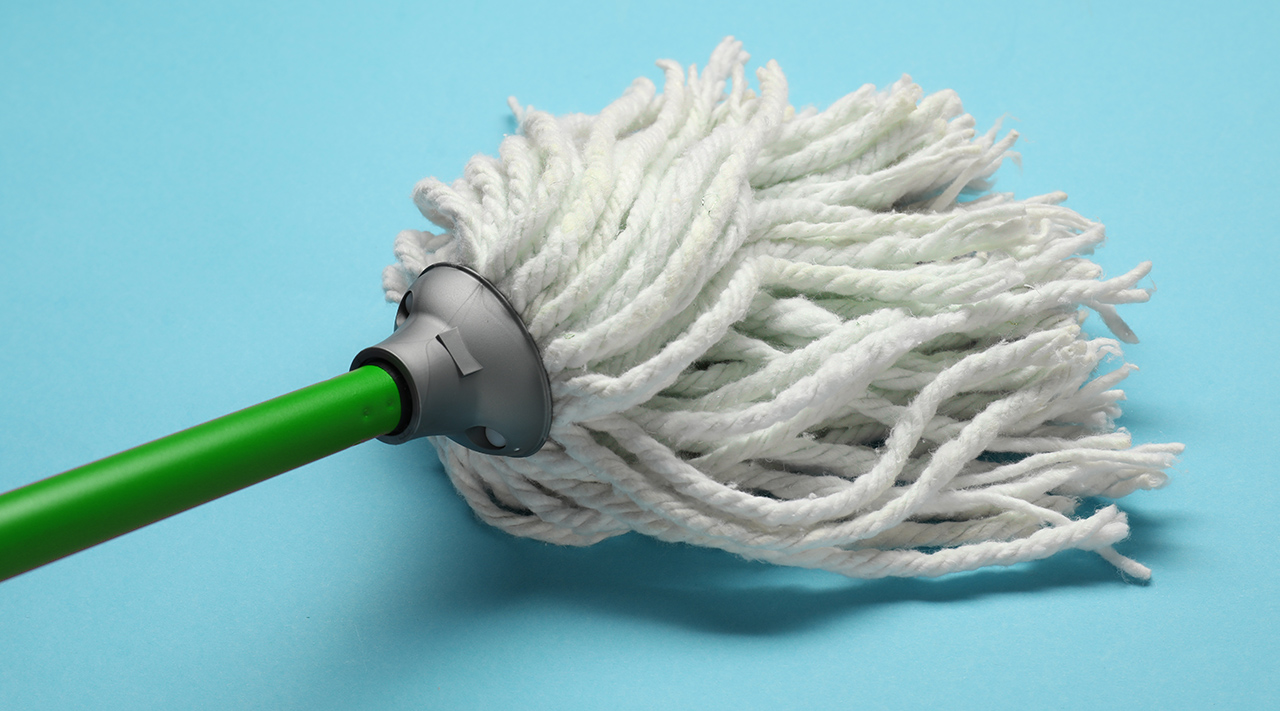
String mops are the highest-absorbency option in the commercial mop category. A standard cotton string mop head holds 16–24 oz of water — significantly more than flat or spin mop heads — which makes them the practical choice when the job involves heavy soil, large liquid spills, or floors that need aggressive scrubbing.
There are two main formats. Cut-end string mops are the most economical — individual strands are cut at the ends, making them easy to produce and inexpensive to replace, but they shed lint and degrade after just 15–30 washes (Green Seal, 2025). Loop-end string mops have continuous looped strands that resist fraying, last significantly longer, and are the standard choice in commercial facilities for that reason.
The individual strands reach into grout lines, textured tile, and uneven surfaces that flat mop pads pass over. For restaurant kitchens, synthetic-blend string mops are preferred over cotton — synthetic fibers resist oil saturation that causes microfiber to mat and lose effectiveness.
While string mops are versatile, they do have some considerations to keep in mind:
Tradeoffs to know:
- Weight: When wet, string mops can become quite heavy, which may be challenging for some users. Wet string mops are heavy — a fully saturated head can exceed 2 lbs, which increases operator fatigue during extended cleaning sessions.
- Drying time: The dense strands take longer to dry than flat or spin mop heads. Store heads hanging up, never coiled in a bucket, to prevent mildew.
- Hygiene risk: The twisted yarn structure makes complete rinsing difficult. String mops carry documented bacterial cross-contamination risks and should not be used in healthcare patient rooms or regulated hygiene zones (CDC, 2024).
- Lint: Some lower-quality string mops Cut-end cotton mops shed fibers, especially when new. Loop-end and synthetic options eliminate this issue.
To get the most out of your string mop:
- Use a mop bucket with a wringer to control moisture and extend solution life.
- Rinse the mop head thoroughly after use and hang to dry completely between uses.
- Replace the mop head when it becomes frayed or discolored. For cut-end cotton heads in commercial use, plan on replacement every 15–30 washes.
Best for: restaurant kitchens, warehouses, industrial facilities, school corridors, and any high-soil commercial environment where absorbency and scrubbing power matter more than hygiene precision.
Steam Mops: Chemical-Free Cleaning
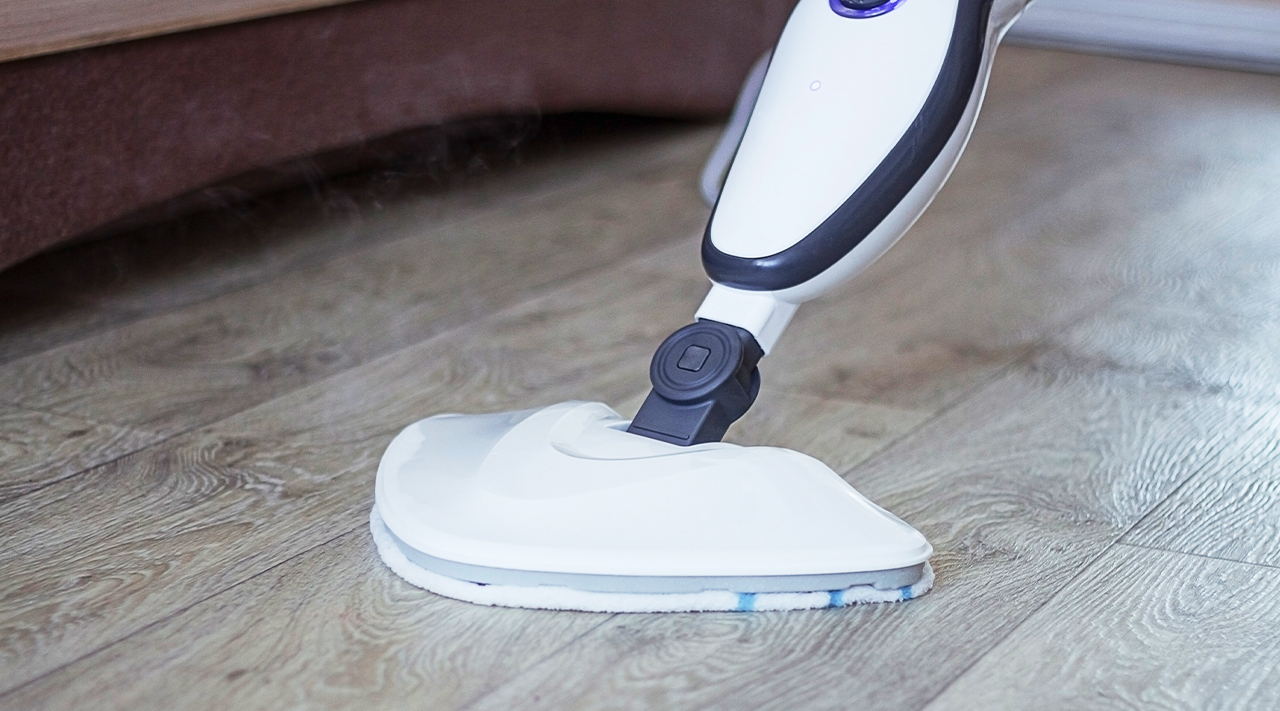
Steam mops sanitize floors using heat alone — no chemical cleaning products required. Water is heated to around 200°F (93°C) and released as steam through a microfiber pad. At that temperature, steam can eliminate up to 99.9% of common bacteria and microorganisms on contact, making steam mops a practical option for households with young children, pets, or occupants with chemical sensitivities.
Surface compatibility matters here more than with any other mop type. Steam mops work well on:
- Sealed ceramic and porcelain tile
- Sealed vinyl and linoleum
- Sealed stone (granite, slate)
They should not be used on:
- Unsealed hardwood or engineered wood — heat and moisture cause warping and finish damage
- Laminate flooring — the core layer swells with moisture
- Unsealed stone or grout — steam can widen micro-cracks over time
- Certain types of vinyl — check manufacturer guidance before use
The chemical-free nature of steam cleaning offers several benefits:
- Environmental friendliness: No harmful chemicals are released into the environment.
- Cost-effectiveness: You save money on purchasing cleaning solutions.
- Safety: Reduced risk of chemical exposure for humans and pets.
To get the most out of your steam mop:
- Dust mop or vacuum first steam loosens soil but doesn't move debris out of the way.
- Use distilled water to prevent mineral buildup in the reservoir.
- Replace microfiber pads regularly; a saturated or worn pad reduces steam contact with the floor.
- Allow the floor to dry fully before foot traffic to prevent slip hazards.
Best for: kitchens, bathrooms, sealed tile, and any space where you want to sanitize without chemical disinfectants — provided the flooring is compatible.
Dust Mops: Keeping It Dust-Free
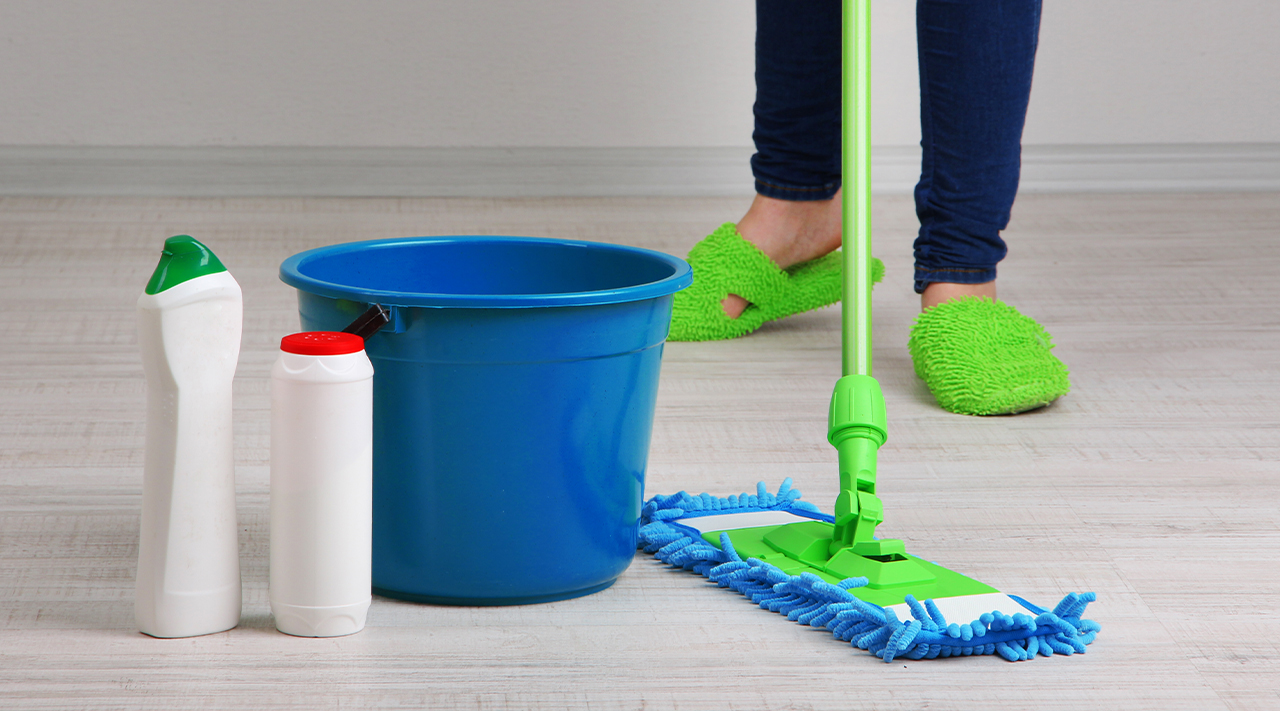
Dust mops are dry mops — they pick up dust, grit, and fine particles from hard floors without any liquid. That makes them the right first step before any wet mopping: dragging a wet mop over debris scratches floors and reduces how much cleaning solution actually contacts the surface. In commercial facilities with large floor areas, dust mopping daily and wet mopping on a scheduled cycle is standard practice.
Dust mop heads come in cotton, synthetic, and microfiber. Microfiber heads generate a static charge that attracts and holds fine particles rather than redistributing them — a meaningful advantage in facilities where dust or allergens are a concern. Cotton heads work well for general use and are typically less expensive. Commercial dust mop frames are available in widths from 18" to 60" — wider frames cover more ground per pass, reducing the time it takes to sweep large open areas.
Dust mops work across a wide range of hard surfaces:
- Hardwood floors
- Tile and linoleum
- Laminate flooring
- Baseboards and walls
- Ceiling fans and light fixtures
This versatility makes dust mops an excellent tool for both floor cleaning and general dusting tasks around the home or office.
Dust mops are particularly effective at capturing fine particles that vacuum cleaners might miss. The static charge generated by some dust mop materials helps attract and hold onto dust, ensuring a thorough clean with each pass. This makes them especially useful for people with allergies or respiratory sensitivities, as they can help reduce airborne allergens in the home.
Dust mops work on hardwood, tile, laminate, linoleum, and polished concrete. They're not suitable for wet spills or deep cleaning — for those, switch to a wet mop.
For optimal results when dust mopping:
- Start from the farthest corner and work toward the exit to avoid tracking over cleaned areas.
- Use slow, overlapping passes, rushing lifts particles back into the air instead of trapping them.
- Shake out or vacuum the mop head periodically during use to prevent redistributing accumulated dust.
- Wash microfiber heads regularly; cotton heads should be laundered or replaced when visibly soiled.
Many modern dust mops come with reusable, machine-washable heads, making them an eco-friendly choice for regular cleaning. This feature not only reduces waste but also ensures that you always have a clean mop head ready for use.
In addition to their practical benefits, dust mops can also be a time-saver in your cleaning routine. Their ability to quickly cover large areas means you can maintain a dust-free environment with minimal effort, freeing up time for other tasks or activities.
While dust mops excel at dry cleaning, they're not suitable for wet spills or deep cleaning. For these situations, you'll need to turn to other types of mops or cleaning tools. However, for regular maintenance and keeping your space dust-free, a quality dust mop is hard to beat.
In conclusion, dust mops are an invaluable tool for maintaining a clean, dust-free environment. Their efficiency in capturing fine particles, versatility across various surfaces, and ease of use make them a must-have in any cleaning arsenal. Whether you're tackling daily dust buildup or preparing for a deep clean, a dust mop can help you achieve a cleaner, healthier living or working space with minimal effort.
Best for: daily dry sweeping on all hard floor surfaces — especially large open areas in schools, gyms, warehouses, and retail spaces — before wet mopping.g or working space with minimal effort.
Specialty Mops: Beyond the Basics
As cleaning technology advances, we're seeing an exciting array of specialty mops that go beyond the basic cleaning functions. These innovative tools are designed to tackle specific cleaning challenges or to incorporate cutting-edge features that make the cleaning process more efficient and effective. One of the most intriguing developments in the world of specialty mops is the emergence of smart and connected mops.
Spray mops combine a built-in solution reservoir with a flat microfiber pad. A trigger on the handle releases a fine mist ahead of the pad, eliminating the need for a separate bucket. They're fast and convenient for routine maintenance in offices, short-term rentals, and residential settings — but the reservoir capacity limits them to smaller areas per fill.
Smart tile floor mops equipped with sensors, Wi-Fi connectivity, and automation features are stimulating market demand. These high-tech cleaning tools can map out your floor plan, automatically adjust cleaning patterns, and even send notifications to your smartphone when the cleaning is complete. While they may seem like something out of a sci-fi movie, these smart mops are becoming increasingly popular in both residential and commercial settings.
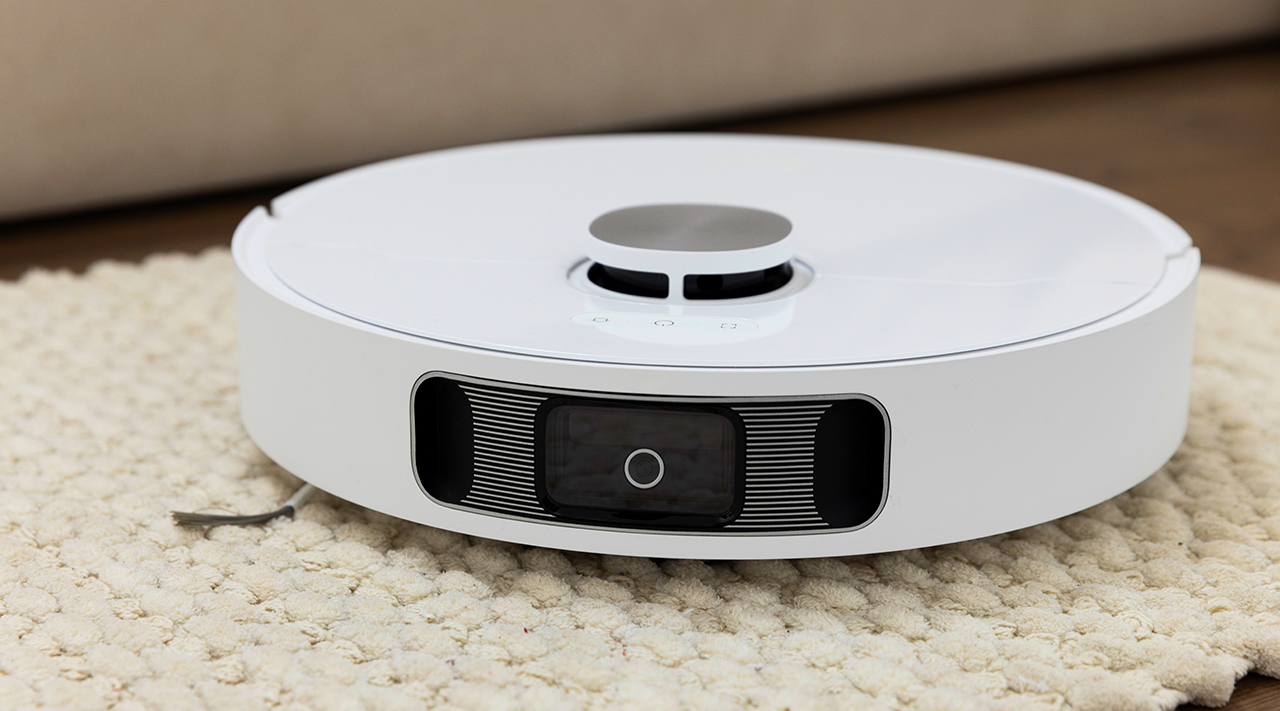
Robotic mop systems use sensors and mapping technology to clean autonomously. They're gaining traction in residential and small commercial settings, though they're not yet a replacement for commercial-grade manual mopping in high-traffic or high-soil facilities.
Industrial mops represent another category of specialty cleaning tools. These heavy-duty mops are designed to handle the toughest cleaning jobs in commercial and industrial environments. Industrial mops often feature more durable materials, larger cleaning heads, and enhanced ergonomic designs to improve efficiency and reduce user fatigue during extended cleaning sessions. They're essential for maintaining cleanliness and safety in factories, warehouses, and other large-scale facilities.
Industrial wet mops are oversized string or synthetic mops built for warehouses, manufacturing floors, and large commercial kitchens. They feature heavier heads (often 32–40 oz), reinforced headbands, and are designed to pair with commercial mop buckets and wringers rated for continuous use. Standard household mop systems aren't built for this volume or weight.
The rise of eco-friendly cleaning solutions has also influenced the specialty mop market.
Consumers are increasingly seeking floor mops made from sustainable materials and those that have a minimal environmental impact. This trend has led to the development of mops made from recycled materials, biodegradable cleaning pads, and designs that reduce water and chemical usage.
Eco-friendly mop systems mops made from recycled materials, plant-based microfiber, and biodegradable pad options are a growing segment as facilities adopt sustainability programs. Consumers are increasingly seeking mops with lower water usage and reusable components, and the market has responded with more options at commercial scale.
Spin mops have carved out their niche in the specialty mop market. These innovative tools feature a spinning mechanism that allows for easy wringing and faster drying times. Interestingly, the store-based segment dominated the spin mop market with a share of around 68.8% in 2022, but internet retailers are expected to expand sales. This shift in distribution channels reflects the changing shopping habits of consumers and the growing popularity of online purchasing for cleaning supplies.
Other specialty mops worth knowing:
- Microfiber mops with interchangeable pads for different surface types
- Disposable mop systems, like Swiffer Sweeper, for healthcare and food service where single-use controls cross-contamination
- Color-coded mop systems where mop head color corresponds to a specific facility zone — used in healthcare and food service to prevent cross-contamination between restrooms, kitchens, and patient areas
These specialty mops offer unique solutions for specific cleaning challenges, making them valuable additions to any comprehensive cleaning toolkit.
In conclusion, the world of specialty mops is diverse and ever-evolving. From high-tech smart mops to eco-friendly options and industrial-strength cleaners, there's a specialty mop for almost every cleaning need. As technology continues to advance and consumer preferences shift towards more sustainable and efficient cleaning solutions, we can expect to see even more innovative specialty mops in the future.
Maintenance, Care, and Replacement Tips
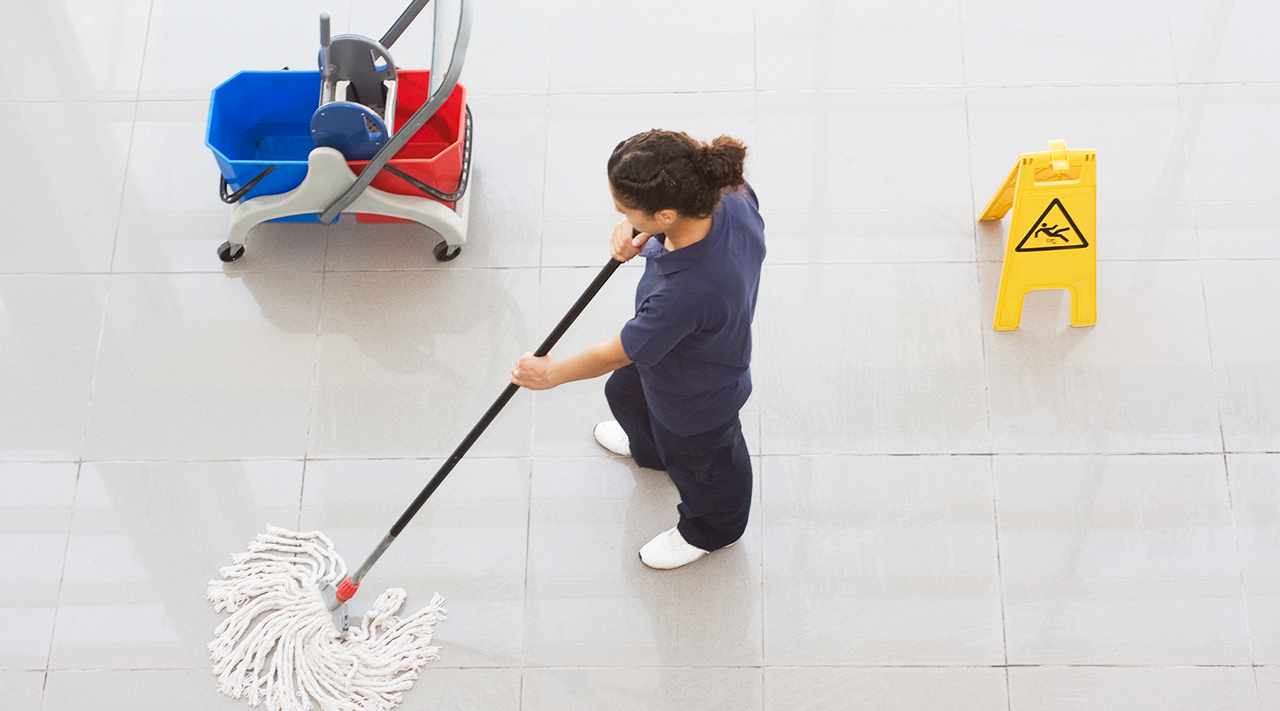
Keeping your mop clean and well-maintained is crucial for effective cleaning and longevity of the tool. A clean mop not only performs better but also helps maintain a hygienic environment in your home or workplace. Let's explore some essential tips for maintaining, caring for, and knowing when to replace your mop.
- Regular Cleaning: After each use, rinse your mop thoroughly with clean water to remove dirt and debris. For a deeper clean, soak the mop head in a mixture of warm water and mild detergent for about 15 minutes. Rinse well and allow it to air dry completely before storing. This practice is particularly important as growing awareness of cleanliness and hygiene is a key driver in the cleaning mops market.
- Proper Storage: Store your mop in a well-ventilated area to prevent mold and mildew growth. Hang it up or store it with the mop head facing upwards to allow for proper air circulation. Avoid storing a damp mop in enclosed spaces.
- Disinfecting: Periodically disinfect your mop head to eliminate bacteria and germs. You can do this by soaking it in a solution of one part white vinegar to three parts water for about 15 minutes. Rinse thoroughly and allow to dry completely.
- Mop Head Replacement: Even with proper care, mop heads will eventually wear out. Replace your mop head when you notice fraying, discoloration, or a persistent odor that doesn't go away after cleaning. For most households, replacing the mop head every 2-3 months is a good rule of thumb.
- Handle Care: Wipe the handle down regularly with a disinfectant solution. Check for loose parts or damage and tighten or replace as needed.
- Bucket Maintenance: Clean and disinfect your mop bucket regularly to prevent bacterial buildup and odors. A dirty bucket recontaminates a clean mop head on every dip.and unpleasant odors.
Selecting the Right Mop for Your Needs
The right mop comes down to three things: your floor surface, your soil load, and how often you clean. For daily maintenance on smooth commercial floors, a flat microfiber mop is the practical default. For heavy-soil areas like kitchens or loading docks, a loop-end string mop handles the volume. For facilities with mixed floor types, a combination — dust mop first, flat mop for maintenance, string mop for deep cleans — covers every scenario without compromise.
Not sure where to start? The pricing and features table above covers the most-used options at The Cleaning Station with real prices, head materials, and ideal use cases. Every product ships to commercial facilities across the US.
Frequently Asked Questions
What types of mops are commonly used in housekeeping and commercial facilities?
Commercial facilities typically use a combination: flat microfiber mops for daily maintenance, string mops for heavy-soil areas like kitchens and loading docks, and dust mops before every wet mopping cycle. Color-coded mop systems are standard in regulated environments — healthcare, food service — to prevent cross-contamination between restrooms, patient areas, and food prep zones.
Are microfiber mop pads better than sponge mops for regular cleaning?
For most tasks, yes. Microfiber pads achieve 95% microbial reduction, absorb up to 7–10 times their weight in water, and last 300–500 wash cycles. Sponge heads retain bacteria in their foam and need weekly replacement in commercial settings. The exception: PVA sponge heads resist bleach and ammonia better, making them useful for chemical spill cleanup on smooth surfaces.
What is the best mop for home use that handles both spills and everyday dusting?
A flat microfiber mop or spray mop handles both jobs well. Used dry, the pad picks up dust and pet hair. Used damp, it handles spills and daily maintenance with minimal water — protecting hardwood and laminate. For homes with multiple floor types, a spin mop is a strong alternative, giving you direct moisture control and easy maneuverability around furniture.
Which mop works best for both spills and dry dusting without switching tools?
A flat microfiber mop is the closest single-tool solution. Dry, it generates a static charge that traps dust and grit. Damp, it handles spills on sealed floors without excess moisture. Spray mops add a built-in reservoir so you switch between dry and wet mid-session without a bucket. For heavy spills, a spin or string mop handles larger liquid volumes more effectively.
How often should mop heads be replaced?
It depends on the type: microfiber flat pads last 300–500 wash cycles; cut-end string heads need replacement every 15–30 washes (loop-end last longer); sponge heads should be replaced weekly in commercial settings, or every 1–3 months at home; dust mop heads when fibers no longer hold a static charge. A worn head spreads bacteria rather than removing it.
Can you use the same mop on all floor types?
Not without risk. Steam mops damage unsealed hardwood, laminate, and unsealed stone. String mops are too abrasive for polished hardwood or marble. Sponge mops can't reach into grout lines on textured tile. A flat microfiber mop with minimal water is the safest all-surface option for sealed hard floors. Facilities with mixed floor types get better results matching mop type to surface.
What is the difference between wet mopping and dry mopping, and when should you do each?
Dry mopping uses a dust mop — no liquid — to collect loose dust, grit, and debris before wet cleaning. Skipping it drags abrasive particles across the floor, scratching surfaces and reducing cleaning solution contact. Wet mopping follows with a damp head to remove soil and bacteria. In commercial facilities, the standard is: dust mop daily, wet mop every 1–3 days based on traffic.
Recent Posts
-
 Your facility is on a regular cleaning schedule. The crew shows up, runs the machine, and the floors …Sep 24, 2026
 -
How Dirty Floor Cleaning Machines Cause Streaks and Residue in Commercial Cleaning
A floor scrubber leaving streaks or residue after cleaning is one of the most common complaints in …Sep 22, 2026 -

Why Commercial Floors Feel Sticky After Cleaning (And How to Fix It)
Sticky floors after mopping are a common complaint in commercial facilities. The floor looks clean …Sep 22, 2026