
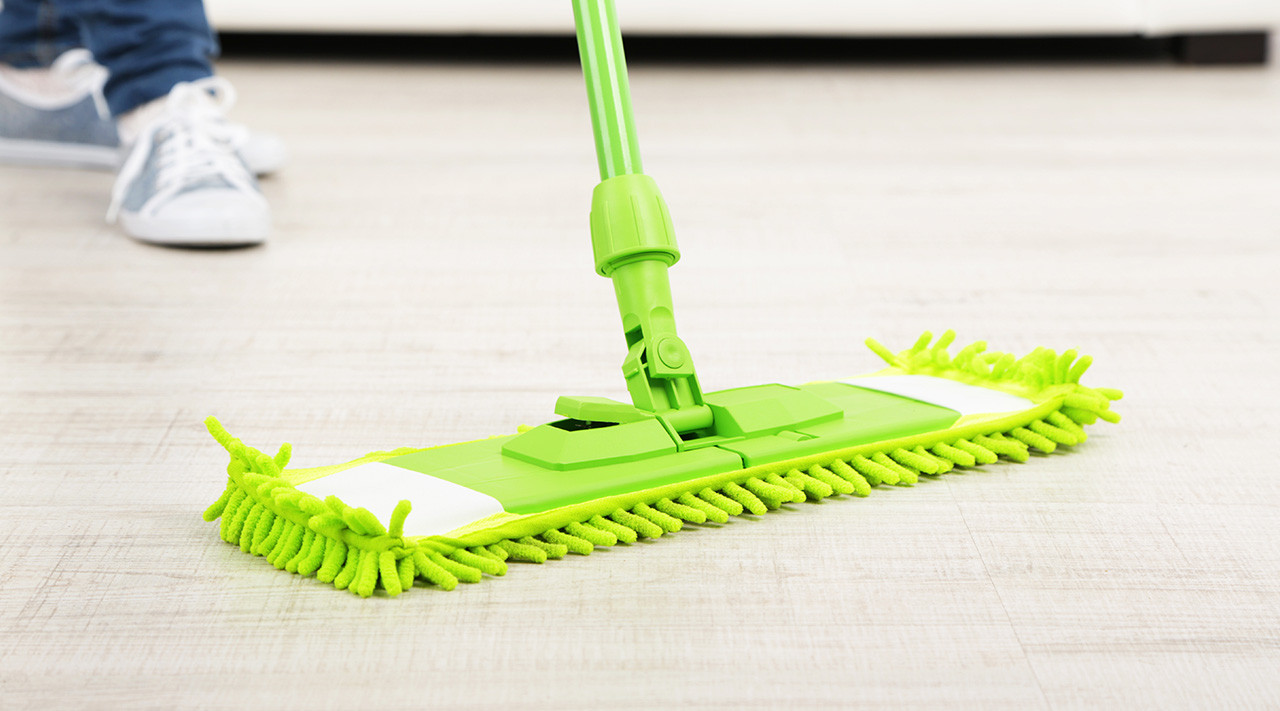
How to Wash Dust Mops Without Leaving Dirt Behind
Commercial dust mops are designed to capture dirt, not redistribute it. When laundered incorrectly, they clog with debris, harden with residue, and start pushing dust around instead of lifting it. The result is wasted labor time, re-mopping runs, and floors that look worse after cleaning than before.
For hotels, gyms, schools, and corporate facilities managing daily floor care, proper dust mop laundering reduces labor costs, extends equipment life, and protects cleaning consistency.
Here's how to clean dust mops so they stay effective in seven simple steps.
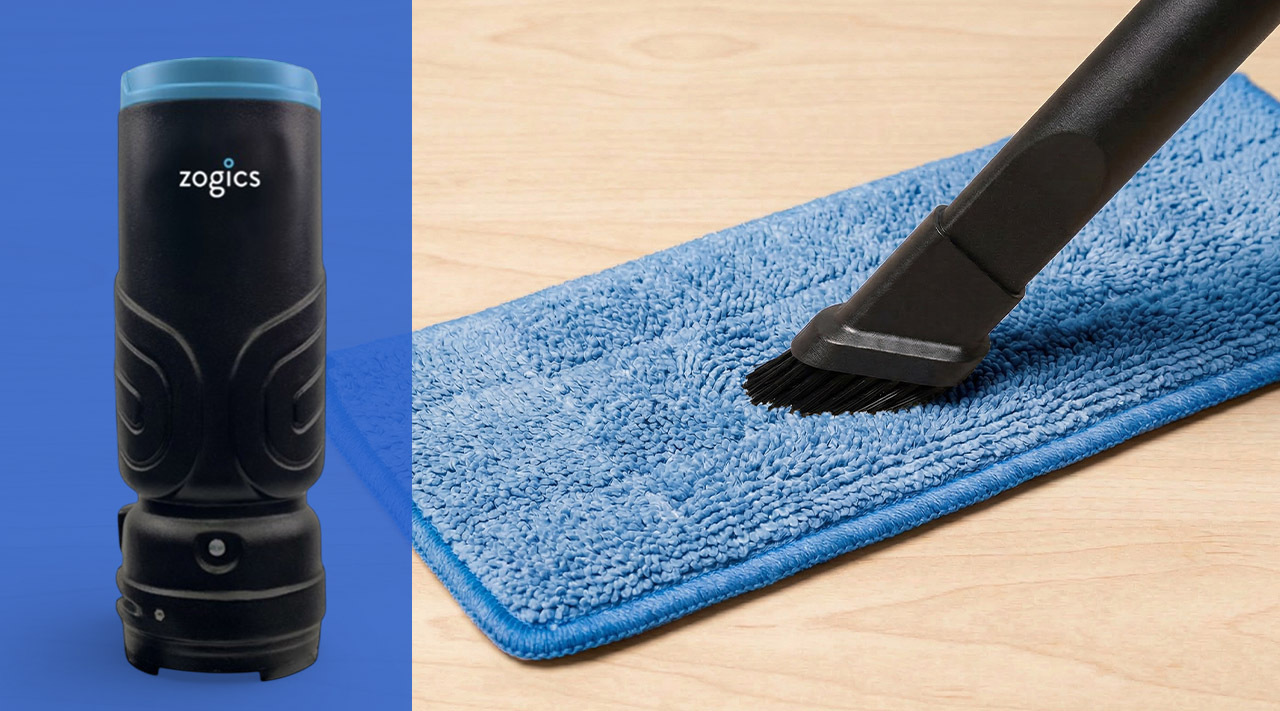
Step 1: Shake Out Loose Debris First (Do Not Skip This)
Before a dust mop touches water, remove all dry debris.
Take the mop outside and shake it out, or use a vacuum to extract embedded dust. Skipping this step pushes dirt deeper into fibers during washing and causes muddy buildup.
Step 2: Wash Dust Mops Properly
Separate Dust Mops from All Other Textiles
Learning how to clean a dust mop head correctly starts with separation. Dust mop heads should never be washed with:
• String wet mops
• Restroom cloths
• Kitchen textiles
Mixing them leads to cross-contamination and greasy buildup that reduces dust pickup performance.
When rotating between dust mopping and wet mopping systems, wash dust mop heads separately. Don't mix dust mops with wet mop heads. Different fiber types and soil levels require separate laundering.
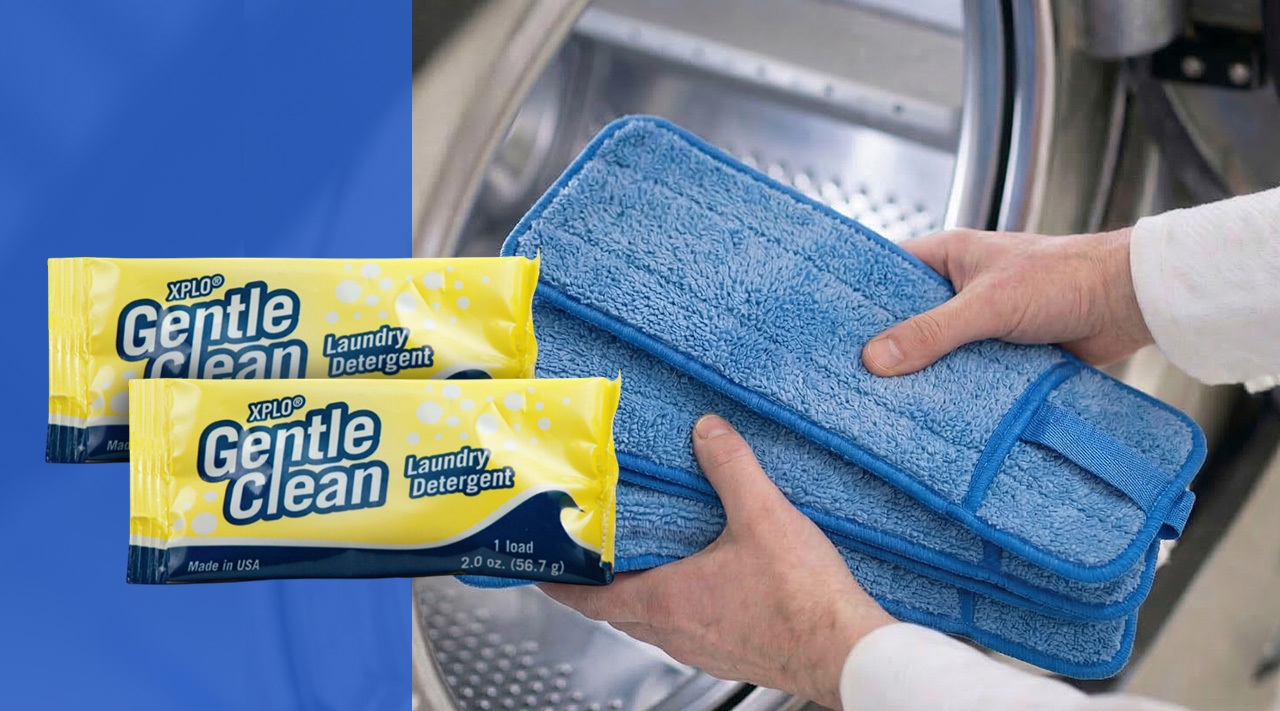
Use Low-Residue Detergent in the Correct Amount
Excess detergent is one of the primary causes of dust mop performance failure. More detergent does not produce a cleaner mop. It produces a mop with residue-coated fibers that attract grime rather than dust.
Use:
• Mild, low-residue laundry detergent: Use the minimum effective dose for the load size
• No fabric softener: Softener coats fibers and eliminates their dust-attracting static properties
• No bleach: Bleach breaks down the cotton fiber structure and shortens mop life significantly
If your facility stocks neutral cleaning agents, use similarly low-residue detergents for consistent floor care results. The goal is clean fibers with no coating, not sanitized fibers with compromised performance.
Shop Commercial Laundry Detergents →
Wash in Warm Water
How to clean a mop head: Use warm water, not high heat.
Hot water shrinks fibers, warps backing material, and weakens the stitching that holds the mop head together. Over multiple hot wash cycles, the mop head's lifespan shortens substantially, and replacement frequency increases.
For facilities looking to extend mop head life and reduce replacement costs, temperature discipline in the laundry cycle is one of the most straightforward adjustments available.
Run a Full Rinse Cycle (Add a Second if Needed)
Residue is the real enemy.
If mops feel stiff after drying, that's leftover detergent.
Run an extra rinse cycle if needed. A clean dust mop should feel soft, flexible, and free of buildup, not crunchy.
Step 3: Air Dry or Tumble Dry on Low Heat
High heat damages fibers and backing.
Best practice:
• Air dry when possible
• Or tumble dry on low heat
Never overdry. Fibers pulled from excessive heat lose the structural properties that allow them to attract and hold dust. A mop that comes out of the dryer hot and stiff has already experienced fiber degradation.
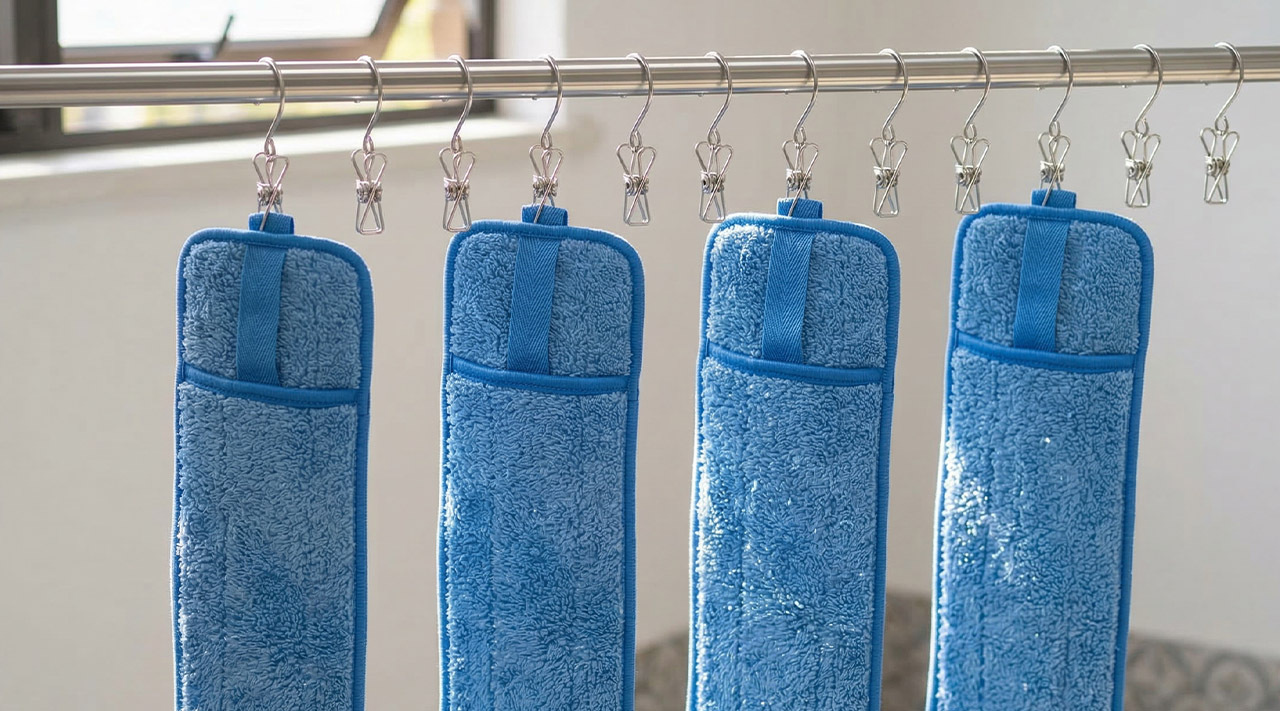
Step 4: Store Mop Heads Hanging, Not Compressed
Storing clean mop heads in a pile or under a weight compresses the fiber and defeats the purpose of proper laundering. Compressed fibers cannot capture dust effectively on the next use, regardless of how well the mop was washed.
Storage:
• Hang mop heads to prevent fiber compression
• Keep in a clean, dry area
• Avoid compressing fibers under weight
Signs Your Dust Mop Needs Replacement
Even with proper washing, dust mops don't last forever. Consider dust mop head replacement if you notice:
• Persistent streaking across floors even after correct washing
• Matted or flattened fibers that do not recover after laundering
• Backing separation or visible structural damage
• Reduced dust pickup that more frequent washing does not resolve
Rotating multiple mop heads reduces wear and ensures consistent performance. Order replacement mop heads to keep a fresh rotation on hand.
Operational Tips for Facilities Managing High-Traffic Areas
• Rotate mop heads daily instead of using the same one continuously
• Keep separate mops for gym floors, hallways, and administrative areas
• Remove loose debris before wet mopping to prevent mud buildup
• Use dust mop treatment such as the Boardwalk Dust Mop Treatment Aerosol between washes. This oil-based treatment helps mops pick up more dust and extends time between launderings—particularly useful for high-traffic facilities. Shake the aerosol, spray onto your clean, dry dust mop head, and allow to air dry before use
Quick operational checklist:
• Pre-wash: Shake or vacuum all debris
• Laundry: Separate dust mops from wet mops
• Detergent: Low-residue, no softener, no bleach
• Rinse: Add extra cycle when needed
• Dry: Air dry or tumble low
• Storage: Hang vertically in a clean area
FREE DOWNLOAD: Dust Mop Laundering Checklist
For facilities managing multiple floor types, review our guide on How to Choose the Best Commercial Mop to match tools to surface requirements. For more floor care efficiency strategies, see How to Clean Faster Without Cutting Corners.
Shop Janitorial & Cleaning Supplies →
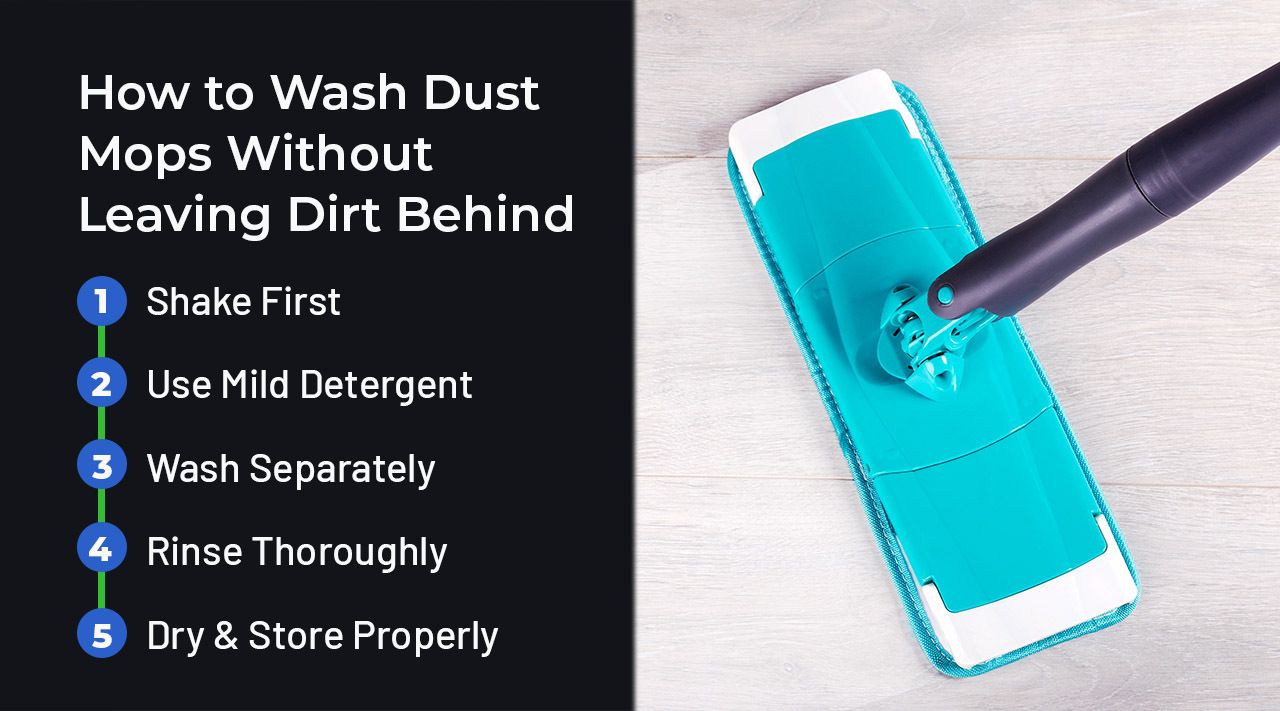
How Correct Laundering Protects Your Floor Care Investment
Dust mops are simple tools, but they require correct care.
Shake first. Wash separately. Use mild detergent. Rinse thoroughly. Dry and store properly.
When maintained correctly, a quality dust mop becomes one of the most time-saving tools in your facility cleaning program. Proper care protects your investment in floor care equipment, prevents the need for re-mopping, keeps floors looking clean and streak-free, and ensures every pass improves cleanliness.
For complete guidance on washing wet mop heads, see How to Wash a Mop Head: Easy Steps for a Spotless Clean. For help selecting the right mop system for your facility, review How to Choose the Best Commercial Mop: Your Complete 2025 Guide.
|
Need Replacement Mop Heads or Floor Care Supplies? Explore professional-grade dust mops, replacement heads, and floor care systems at The Cleaning Station. Shop professional-grade cleaning tools. |
Frequently Asked Questions
How often should I wash dust mops?
In high-traffic facilities, wash dust mop heads after every 2–3 uses or when visibly soiled. For lighter use, weekly washing is sufficient. Always shake out debris before each use.
Can I machine wash dust mops with regular laundry?
No. Wash dust mops separately from other textiles to prevent cross-contamination and grease transfer. Keep them separate from wet mops, kitchen rags, and restroom cloths.
Why does my dust mop feel stiff after washing?
Stiffness usually indicates detergent residue. Run an extra rinse cycle and use less detergent next time. Avoid fabric softener—it coats fibers and reduces dust pickup.
Can I use dust mop treatment on freshly washed mops?
Yes. After mops are completely dry, apply dust mop treatment aerosol to restore dust-attracting properties. Allow the mop to air dry fully before use.
What's the best way to store clean dust mops?
Hang them vertically using a clip-on frame system to prevent fiber compression. Store in a clean, dry area away from chemicals or moisture.
Should I use hot water to kill bacteria?
Warm water is sufficient for dust mops. Hot water can damage cotton fibers and backing materials. Focus on thorough rinsing rather than high heat for effective cleaning.
How long does a commercial dust mop last?
Service life varies by traffic volume and laundering protocol. In high-traffic environments, proper rotation typically extends usable life several months. Replace the mop when fibers mat or the backing begins to separate.
Recent Posts
-
 Here's a mistake that happens in restrooms everywhere: a custodian cleans inside the toilet bowl, th …Mar 27, 2026
 -

What are Urinal Cakes & Urinal Screens and How Do They Work?
Persistent restroom odor in commercial facilities is rarely caused by one missed cleaning step. In h …Mar 20, 2026 -
 Commercial dust mops are designed to capture dirt, not redistribute it. When laundered incorrectly, …Mar 13, 2026