
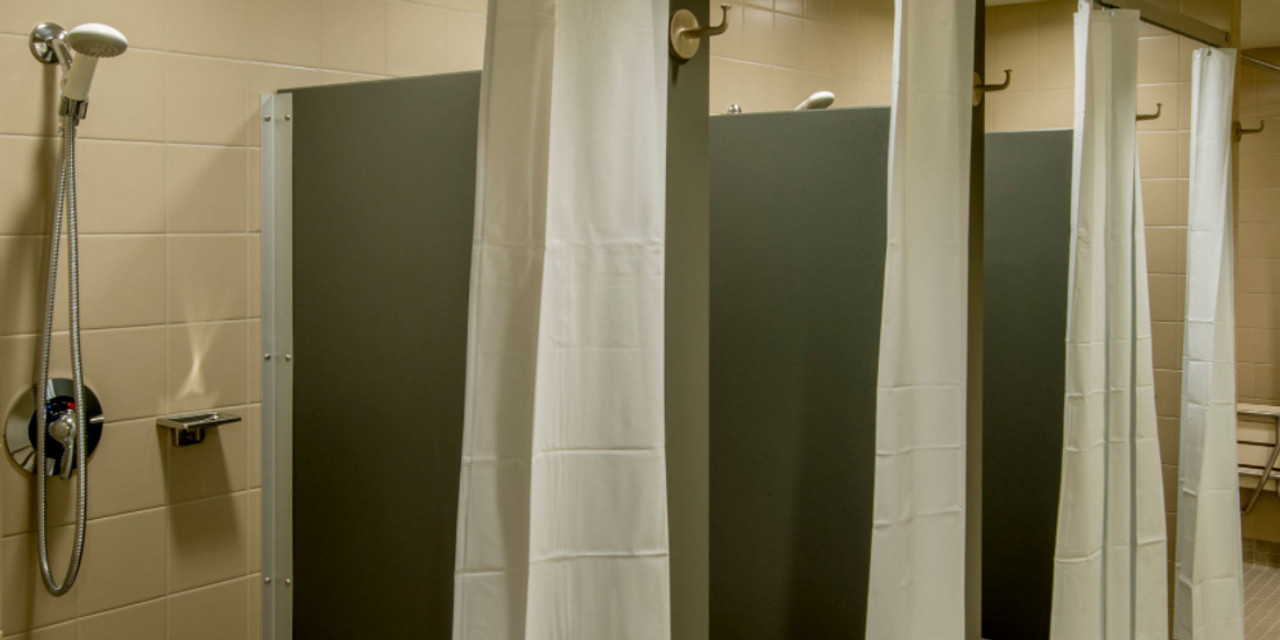
Gym Showers: Tips for Showering at the Gym
Gym shower etiquette is the set of unspoken rules that govern behavior in communal shower spaces — covering time limits, hygiene, modesty, and respect for shared facilities. The core principle is simple: a gym shower is not your home shower. It is a shared space with a standard 5–10 minute limit, and the behavior expected of every user reflects that.
At The Cleaning Station, we supply shower amenities, bulk toiletries, and hygiene products to commercial gyms, fitness studios, and wellness facilities. We see both sides of this experience — what members need to feel comfortable, and what operators need to provide a genuinely clean, well-stocked shower environment. This guide covers both.
Quick answers
Is it weird to shower at the gym? No. It is completely normal and expected — gym showers exist specifically for post-workout use. The only etiquette that matters is keeping your time under 10 minutes and cleaning up after yourself.
How long should you shower at the gym? 5–10 minutes is the standard. At peak hours (6–9am and 5–7pm), aim for 5 minutes or under.
What do you need for showering at the gym? At minimum: shower shoes, your own towel, and travel-size toiletries. Full checklist below.
Why Gym Showers Matter
Gym showers are a core part of the gym experience — not an optional add-on. Here is why they matter for members and for the facilities that provide them.
Hygiene
After a workout, the body accumulates sweat, dead skin cells, and bacteria — including Staphylococcus aureus strains that proliferate in warm, moist gym environments. Showering within 30 minutes of finishing exercise removes this bacterial load before it has the opportunity to cause skin irritation, clogged pores, or body odor. For members who train before work or during a lunch break, the gym shower is not optional — it is the only practical way to clean up between activities.
Convenience
For anyone who trains before work, during a lunch break, or between commitments, the gym shower eliminates the need to go home between workout and obligation. This is one of the primary reasons commercial gym memberships include locker room access — the ability to work out and arrive at your next destination clean is a core part of the value proposition.
Muscle recovery
Showering after exercise supports muscle recovery through two mechanisms. A warm shower (37–40°C) dilates blood vessels and increases circulation, helping flush lactic acid from muscle tissue and delivering oxygen to recovering fibers. A cold shower (below 15°C) or cold-water finishing rinse reduces acute muscle inflammation through vasoconstriction — the basis of contrast hydrotherapy used by professional athletes. Both approaches are more effective when done promptly after exercise rather than hours later at home.
Stress relief
The physiological transition from high-intensity exercise to rest is accelerated by showering. Warm water activates the parasympathetic nervous system, reducing cortisol and adrenaline levels and signaling the body to shift from workout mode to recovery mode. This is why a post-workout shower feels like a genuine mental reset — not just a physical one.
Gym Shower Etiquette: 12 Rules That Matter
Whether you are using a gym shower for the first time or the hundredth time, these are the rules that every shared shower space runs on — whether they are posted on the wall or not.
1. Keep it to 5–10 minutes
The standard gym shower time limit is 5–10 minutes. At peak hours — typically 6–9am and 5–7pm — aim for 5 minutes or under. The gym shower is a rinse-off after exercise, not a full grooming session. Others are waiting, and a communal shower area functions on throughput. If you need to shave, deep-condition, or do an extended skincare routine, save it for home.
2. Cool down before you enter
Wait at least 10–15 minutes after your workout before showering. Jumping straight from intense exercise into a hot shower while your core temperature is still elevated and your heart rate is still high increases the risk of lightheadedness, dizziness, and in rare cases fainting — caused by blood pooling in peripheral blood vessels during the transition. Use the cooldown time to stretch, change, and let your body normalize.
3. Always wear shower shoes
Shower shoes or flip-flops are non-negotiable in communal gym showers. Gym shower floors harbor Trichophyton mentagrophytes (the primary cause of athlete's foot / tinea pedis), tinea corporis (ringworm), and plantar wart-causing HPV strains — all of which survive on wet floor surfaces and are transmitted through direct skin contact. Waterproof rubber or EVA flip-flops create a complete barrier. Shower shoes also reduce slip risk on wet tile surfaces. Never walk barefoot in a communal gym shower or locker room.
4. Bring your own towel
Whether or not your gym provides towels, bring your own. A clean personal towel is a basic hygiene control — communal towel programs depend entirely on the laundry frequency and handling practices of the facility. A microfiber quick-dry towel is the most practical format: lightweight, compact enough to fit in any gym bag, and dries 3–5x faster than cotton, which reduces the mildew risk from carrying a damp towel home.
5. Use your own toiletries
Many gyms provide bulk shampoo, conditioner, and body wash via wall-mounted dispensers — a better option than shared bar soap, which accumulates bacteria on its surface between uses. Using the facility's dispensed products is perfectly acceptable and hygienic. If you have sensitive skin, specific product preferences, or fragrance sensitivities, bring your own travel-size versions. Never share personal care items with other gym-goers.
6. Respect personal space
In a communal shower area with multiple showerheads, take the stall or position farthest from any occupied space. Give people room. Do not hover near occupied stalls, peer over curtains, or position yourself closer than necessary when other options are available. The same spatial awareness that applies in a public restroom applies in a gym shower — maximum distance, eyes forward.
7. Leave no mess
Rinse all hair, soap residue, and product from the shower floor, walls, and drain before you leave. Hair on the drain cover is the most common and most cited gym shower complaint — remove it. Dispose of any product packaging, paper towels, or wrappers in the bin, not on the bench or floor. If you use a squeegee to push water off the walls, do so. You are not leaving a hotel room — you are leaving a space that the next person will use within minutes.
8. No extended grooming
Shaving, nail clipping, hair removal, or any grooming task that takes significant additional time and affects others has no place in a peak-hour gym shower. Shaving clogs drains, creates slip hazards, and takes the kind of time that backs up an entire row of waiting members. If you need to shave, do it at home or use the vanity area after the shower — not in the shower stall during busy periods.
9. Keep noise down
The acoustics in tiled shower rooms amplify everything. Phone calls, music played aloud, and loud conversations create a genuinely unpleasant experience for everyone else. Use headphones. Keep conversations brief. The gym shower is a functional space, not a social one.
10. Stay covered between shower and changing area
Use a towel wrap or robe to move between the shower stall and the changing area. This applies in both private-stall and open-shower formats. The etiquette principle is simple: modesty in a shared space is about consideration for others who may be uncomfortable, not about your personal comfort level. What feels normal to one person can be genuinely awkward for another in an involuntary shared space.
11. Never save a stall with a towel
Hanging a towel on a shower stall bar to reserve it while you finish changing is considered one of the most universally disliked gym shower behaviors. If you encounter a stall with a towel hanging on it but no one inside, it is reasonable to check whether it is occupied before moving on — but do not do this to others. It is the gym shower equivalent of saving a seat with a jacket on a crowded train.
12. Report issues to staff — do not confront other members
If someone is violating etiquette — occupying a stall for 30 minutes, leaving a significant mess, behaving inappropriately — do not confront them directly. This almost always escalates unnecessarily. Step out, speak discreetly to a staff member or the front desk, and let the facility handle it. That is their responsibility, not yours.
Is It Weird to Shower at the Gym?
No. Showering at the gym is completely normal, expected, and one of the primary reasons gym locker room facilities exist. The majority of gym members who train before work or during a lunch break shower at the gym as a routine part of their visit — not as an unusual behavior. According to the International Health, Racquet and Sportsclub Association (IHRSA), convenience features including post-workout showering are consistently ranked among the top factors driving daily gym attendance.
The only behaviors that attract negative social attention in a gym shower are violations of the etiquette rules above — extended occupation, leaving a mess, grooming tasks that inconvenience others, or inappropriate behavior. Showering normally after a workout attracts no attention whatsoever, because everyone else is doing the same thing.
If you are new to using gym showers and feel self-conscious, the practical solution is to go during off-peak hours — mid-morning (9am–11am) or early afternoon (1pm–3pm) — when the shower area is less crowded and the dynamic is more relaxed. Within a few visits it becomes as unremarkable as any other part of the gym routine.
Types of Gym Showers
Commercial gyms offer two shower formats. Knowing which type your gym has before your first visit removes any uncertainty about what to expect.
Individual stalls
Private enclosed stalls with a door or full-length curtain are the standard in most modern commercial gyms — including Planet Fitness, Equinox, Life Time Fitness, LA Fitness, and Crunch. Individual stalls provide complete privacy for showering and immediate post-shower drying. They are the preferred format for most members and are the industry standard for new gym construction. The practical limitation is capacity: during peak hours, individual stalls create queues in ways that open shower rooms do not.
Open showers
Communal open shower areas — multiple showerheads in a shared tiled room without individual partitions — are less common in newer facilities but remain standard in older clubs, university athletic facilities, and some public recreation centers. Open showers allow higher throughput during peak periods. For members who prefer privacy, the solution is either to choose a gym with individual stalls or to schedule showers during off-peak hours when the communal area is less occupied.
Gym Shower Features: What to Look For
When evaluating a gym's shower facilities before committing to a membership, these are the features that matter for a functional daily shower experience.
Temperature control
Individual thermostatic control per stall is the gold standard. Some budget facilities use shared temperature systems that limit individual adjustment. If you rely on hot water for muscle relaxation or cold water for recovery, test the shower temperature range during your trial visit before signing a membership contract.
Water pressure
Adequate water pressure is required to rinse shampoo and body wash from hair and skin completely. Insufficient rinsing leads to product residue on skin — a common cause of post-workout scalp irritation and folliculitis. Commercial facilities using water-saving low-flow showerheads sometimes reduce pressure to levels that extend rinse time significantly. If water pressure is important to you, test it.
Privacy
For members who prefer individual stalls, verify that the curtains or doors provide full-length coverage from shoulder height to floor. Partial curtains that leave gaps at the top or bottom do not provide meaningful privacy and are a common complaint in older facilities. Some gyms address open-shower privacy by offering commercial shower curtains that can be installed by members — worth asking the facility manager about if this is a concern.

Hygiene in Gym Showers: What You Need to Know
The real pathogen risks in communal showers
Gym showers are warm, moist, and used by dozens to hundreds of people per day — the ideal conditions for three categories of pathogen transmission:
Dermatophyte fungi: Trichophyton mentagrophytes and Trichophyton rubrum are the primary causative agents of tinea pedis (athlete's foot) and tinea unguium (nail fungus). Both survive on wet shower floors for hours. Transmission requires direct skin contact with an infected surface — prevented entirely by shower shoes.
Staphylococcus aureus (MRSA): MRSA strains survive on wet surfaces for up to 7 days. Transmission occurs through skin abrasions, cuts, or breaks — minor enough to be invisible. Using your own towel, not sharing personal care items, and avoiding direct skin contact with bench surfaces reduces transmission risk significantly.
HPV (plantar warts): Human papillomavirus strains causing plantar warts (verruca plantaris) survive on wet floor surfaces and are transmitted through microscopic cuts in bare feet. Again, shower shoes are the complete prevention.
The three personal protective measures that eliminate the majority of communal shower transmission risk: wear shower shoes without exception, use your own towel, and do not touch your face while in the shower area. These are not excessive precautions — they are standard practice in any commercial shared shower environment.
Cleaning protocols — what gyms should be doing
Well-run gym facilities use EPA-registered disinfectants on shower stalls, floors, and walls on a documented cleaning schedule. Industry best practice is deep cleaning twice per operating shift, with spot cleaning between. Shower curtains should be laundered or replaced on a regular rotation — mold and mildew on shower curtains are the most visible sign of a facility that is not maintaining its cleaning schedule. If you notice black mold on curtains, grout, or ceiling tiles in a gym shower, report it to staff. It is a legitimate health concern, not a minor cosmetic issue.
For more on what a properly maintained gym shower cleaning protocol looks like from an operator's perspective, see our Gym Shower Cleaning Guide and 6 Steps to Clean Gym Showers.
Gym Shower Essentials: What to Bring
Being prepared is the single biggest factor in a stress-free gym shower experience. Here is the complete packing checklist, with a reason for each item.
1. Shower shoes or flip-flops: Non-negotiable. Waterproof rubber or EVA construction. Prevent athlete's foot (Trichophyton mentagrophytes), ringworm, and plantar warts. Replace annually or when the sole degrades.
2. Microfiber quick-dry towel: Lighter and more compact than a standard cotton bath towel. Dries 3–5x faster, which matters when you are packing a damp towel back into a gym bag. A gym-specific towel kept separate from your home towels is good hygiene practice. Some gyms provide towels — Equinox and Life Time Fitness are examples — but budget chains including Planet Fitness and Anytime Fitness do not.
3. Travel-size toiletries: Body wash, shampoo, and conditioner in travel-size or refillable containers. Many facilities provide bulk shampoo, conditioner, and body wash in wall-mounted dispensers — these are hygienic and convenient to use. If you have sensitive skin or specific product requirements, bring your own.
4. Waterproof toiletry bag or shower caddy: Keeps products organized, off wet surfaces, and easy to carry from locker to shower stall. A waterproof or water-resistant bag prevents your products from contaminating other items in your gym bag on the way home.
5. Deodorant: Apply after showering and drying off. Do not apply over sweat before showering — deodorant applied to un-washed skin traps bacteria rather than preventing odor.
6. Moisturizer: Hot water strips natural skin oils. If you shower in hot water regularly, moisturizer applied immediately after drying (within 3 minutes of the shower, when skin is still slightly damp) maintains the skin barrier. Particularly important after pool workouts where chlorine exposure compounds the drying effect.
7. Fresh change of clothes including socks: Pack a complete change — underwear, socks, and outer clothes. Putting clean outer clothes over gym-worn underwear or socks defeats the purpose of showering.
8. Waterproof bag for wet items: A dry bag or waterproof laundry sack for damp towels and workout clothes prevents moisture from spreading to clean items in your gym bag and eliminates the mildew smell that develops when wet fabrics sit in an enclosed bag for hours.
9. Locker padlock: If your gym has lockers, bring a combination padlock. Most gyms provide the lockers but not the lock. Combination locks are preferred over key locks — no key to lose mid-workout.
How to Shower at the Gym: Step-by-Step
For first-timers, the process feels more complicated than it is. Here is the full sequence from end of workout to leaving the locker room clean and ready.
1. Cool down first: Finish your workout with 10–15 minutes of light movement and stretching. Do not go directly from high-intensity exercise to the shower. Your core temperature and heart rate need to normalize before you step under hot water.
2. Pre-stage your bag: Before entering the shower area, organize your post-shower items — towel, fresh clothes, toiletries — so you are not rummaging through your bag wet and dripping after. Keep your shower kit in a dedicated section of your gym bag so it is always ready.
3. Enter the stall in your gym clothes: Walk to the shower wearing your workout clothes or wrapped in a towel. If the stall has a door or curtain, close it before undressing. This is the standard modesty practice in a shared facility.
4. Put on your shower shoes before undressing: Shoes go on before your feet touch the floor — not after. Athlete's foot transmission happens in the 30 seconds before you remember to put them on.
5. Shower in 5 minutes: Rinse, shampoo, condition, body wash, rinse. In that order. Five minutes is enough for a thorough post-workout clean. Save the 20-minute home shower for days when no one is waiting.
6. Dry off fully before leaving the stall: Dry yourself inside the stall before stepping out. Water tracked across the locker room floor is a slip hazard for everyone else. Pay specific attention to between toes — moisture between toes after a communal shower is a direct invitation for athlete's foot even if you wore shoes during the shower.
7. Rinse the stall before you leave: A 10-second rinse of the walls and floor removes your hair, product residue, and soap from the surfaces. It takes 10 seconds. Do it every time.
8. Change in the changing area: Move to the changing area with your towel secured before dressing. Keep your shower shoes on until you are on a dry bench or the clean floor of the changing area.
What Not to Do in a Gym Shower
These are the behaviors that generate the most complaints and create the most friction in shared gym shower spaces.
Do not shave in the shower during peak hours. It clogs drains, creates slip hazards from razor blades, and takes 3–5x longer than a standard shower. Save shaving for off-peak hours or your home bathroom.
Do not use speakerphone. Tiled shower rooms amplify audio dramatically. A phone call at normal volume becomes an intrusion for everyone in the vicinity.
Do not save stalls with a towel. Hanging a towel to reserve an empty stall while you finish changing is universally considered inconsiderate. It is the most-cited etiquette complaint in gym shower surveys.
Do not bring strong-scented products into a communal space. What smells pleasant to you may be an asthma or allergy trigger for the person in the next stall. Use low-fragrance or fragrance-free products in shared environments.
Do not leave without cleaning up. Hair in the drain, product bottles left on the floor, and wet towels abandoned on benches are the defining markers of a member who does not follow shared-space etiquette. It is not the cleaning staff's job to tidy what you leave behind between every member's use.
Do not take photos or videos anywhere in the locker room or shower area. This is not just an etiquette violation — it is a legal offense in most U.S. states under voyeurism statutes. Most gyms have explicit policies on this with immediate membership termination as the consequence.
Choosing a Gym Based on Shower Facilities
If shower quality is a deciding factor in your gym choice — and for members who train before work, it often is — here is what to evaluate during a trial visit.
Cleanliness
The most reliable indicator of a gym's overall operational standards is the cleanliness of its shower and locker room facilities. Look for: grout lines free of black mold, drain covers free of accumulated hair, dry and odor-free floor surfaces outside the stall area, and functioning squeegees or cleaning supplies available for member use. A gym that keeps its showers consistently clean is a gym with high operational standards across the board.
Privacy
Confirm full-length door or curtain coverage before committing to a membership. Partial curtains are a frequent complaint at older budget facilities. Most modern chains — Planet Fitness, Equinox, Life Time Fitness, LA Fitness — provide full-door or full-curtain individual stalls as standard.
Amenities
Premium facilities like Equinox provide high-end toiletry brands (Kiehl's is a frequently cited example) in wall-mounted dispensers. Most mid-range clubs provide basic shampoo, conditioner, and body wash. Budget chains including Planet Fitness and Anytime Fitness typically provide no toiletries — bring everything. Hair dryers are available at most facilities above the budget tier. The shower amenities standard is a direct reflection of the facility's investment in the member experience.
Availability
Count the stalls relative to the gym's membership size and peak hour footfall. A gym with 500 active morning members and 4 shower stalls will generate significant queues every weekday at 7am. Ask staff about average wait times during peak hours before signing. 24-hour gym access does not always mean 24-hour shower access — confirm the locker room hours separately.
Gym Shower Policies: What Facilities Require
Most commercial gyms post their shower policies in the locker room. Here are the standard requirements that appear in the vast majority of gym membership agreements and facility rules.
Shower before using the pool or sauna
Virtually every gym with a pool, hot tub, or sauna requires a pre-use shower as a hygiene standard for shared water facilities. This is not optional — it is a health code requirement in most jurisdictions. Post-workout sweat, sunscreen, and body products introduce contaminants that affect water chemistry and disinfectant effectiveness in shared water facilities.
Appropriate footwear
Most gym policies require shower shoes or flip-flops in shower and wet areas. This is both a personal hygiene requirement and a liability protection for the facility — foot injuries and fungal infections in a gym shower are potential grounds for liability claims if the facility failed to post appropriate warnings or enforce footwear policies.
Time limits
Many gyms post explicit shower time limits of 10 minutes during peak hours. Even where not formally posted, exceeding 10–15 minutes in a busy gym shower is considered a violation of shared-space norms and may result in a staff request to vacate.
No photography
A zero-tolerance policy on photography and video recording in locker rooms and shower areas is universal across commercial gym chains. Violations result in immediate membership termination and in many cases law enforcement involvement.
Clean up after yourself
Post-use cleanup — rinsing the stall, clearing hair from drains, disposing of packaging — is standard policy language in most gym membership agreements. Some facilities specify that disinfectant spray or wipes must be used to clean the stall after use. Gym disinfectant wipes at member stations near the shower area support this without requiring members to seek out cleaning supplies.
For gym operators: what your shower area should provide
A well-run gym shower supports member retention, health inspection compliance, and daily member satisfaction. The baseline standard: individual stalls with full-length privacy, EPA-registered disinfectant cleaning twice per shift, wall-mounted dispensers stocked with bulk shampoo, conditioner, and body wash, adequate ventilation to prevent mold, and towel service or a clearly communicated towel policy. Members notice and remember shower quality — it is one of the highest-impact touchpoints in the daily gym experience. The full operator cleaning guide is here.
Frequently Asked Questions
Is it weird to shower at the gym?
No. Showering at the gym is completely normal and is one of the primary reasons commercial gym memberships include locker room access. Members who train before work or during a lunch break use the gym shower as a standard part of their routine — it is expected behavior, not unusual behavior. The only etiquette that matters is keeping your time under 10 minutes, wearing shower shoes, and cleaning up after yourself. If you are self-conscious about showering at the gym for the first time, try going during off-peak hours (mid-morning or early afternoon) when the shower area is less crowded.
How long should you shower at the gym?
The standard gym shower time limit is 5–10 minutes. At peak hours — typically 6–9am and 5–7pm on weekdays — aim for 5 minutes or under, as others will be waiting. The gym shower is a post-workout rinse, not a full home grooming session. Extended grooming tasks like shaving, deep conditioning, and lengthy skincare routines should be saved for home or done during off-peak hours when no queue is forming.
Are gym showers safe to use?
Yes, with standard precautions. The primary risks in communal gym showers are fungal infections (athlete's foot caused by Trichophyton mentagrophytes, ringworm), MRSA transmission through skin abrasions, and plantar warts (HPV). All three are effectively prevented by the same three practices: always wear shower shoes, use your own towel, and do not touch your face or open skin abrasions while in the shower area. Gyms that maintain an EPA-registered disinfectant cleaning protocol on a documented schedule present minimal risk for members who follow these precautions.
What do you need for showering at the gym?
The essential gym shower kit: shower shoes or flip-flops (non-negotiable for communal showers), a microfiber quick-dry towel, travel-size body wash, shampoo, and conditioner (or use facility dispensers if available), a waterproof toiletry bag, deodorant, a complete fresh change of clothes including socks and underwear, and a waterproof bag for wet items on the way home. Optional additions: moisturizer, a hairbrush, and a combination padlock for the locker.
How often are gym showers cleaned?
Industry best practice for commercial gym showers is deep cleaning twice per operating shift using EPA-registered disinfectants, with spot cleaning between. Budget facilities may clean once per day. The visible indicators of adequate cleaning frequency are: grout free of black mold, drain covers clear of accumulated hair, dry floor surfaces outside shower stalls, and odor-free changing areas. If you notice black mold on shower curtains or grout, report it to staff — it indicates that the cleaning frequency is insufficient for the moisture load the facility is generating. According to CDC guidelines on shared facility hygiene, warm moist environments require daily disinfection to prevent fungal and bacterial accumulation.
Do I need to bring my own towel to the gym?
It depends on your gym tier. Premium clubs including Equinox and Life Time Fitness provide towels as part of the membership. Most mid-range chains do not provide towels but may offer towel rental for a fee. Budget chains including Planet Fitness and Anytime Fitness do not provide towels — you must bring your own. When in doubt, always bring your own towel. A microfiber quick-dry towel takes minimal bag space and is more hygienic than any communal towel program, regardless of how frequently the facility launders them.
What are the best practices for using gym showers?
The five most important practices: (1) always wear shower shoes to prevent fungal and viral infections; (2) limit shower time to 5–10 minutes out of respect for waiting members; (3) bring your own towel and toiletries; (4) rinse the stall after use — clear hair from drains, rinse walls and floor; (5) dry off fully inside the stall before stepping out to avoid tracking water across the locker room floor. These five cover the majority of etiquette requirements and hygiene precautions in one habit loop.
What are some gym chains that offer private showers?
Most modern commercial gym chains offer private individual shower stalls with full-length curtains or doors as standard. Equinox and Life Time Fitness offer the highest-end private shower facilities with provided toiletries and towel service. Planet Fitness provides private stalls with curtains at all locations but no provided toiletries or towels. LA Fitness, Crunch, and Anytime Fitness offer private stalls at most locations. Older YMCA facilities and university athletic centers are the most likely to have open communal shower areas without individual partitions.
What to wear in a gym shower?
Shower shoes or waterproof flip-flops are required at all times in a communal shower — put them on before your feet touch the floor. Walk to the shower stall in your workout clothes or a towel wrap. Undress inside the stall after closing the door or curtain. If your gym has an open communal shower without individual stalls and you prefer more coverage, a swim brief or swimsuit worn during the shower is perfectly acceptable and not unusual. Use a towel or robe to move between the shower area and the changing area after drying off.
Recent Posts
-
 Wrong dilution is one of the fastest ways to waste product, create residue, and end up with floors t …May 15, 2026
 -
 The best mop for hardwood floors is a flat microfiber mop. Microfiber traps particles below 0.3 micr …May 14, 2026
 -
 The best gym disinfectant wipes are EPA-registered, safe on vinyl, rubber, and metal surfaces, and h …May 14, 2026