
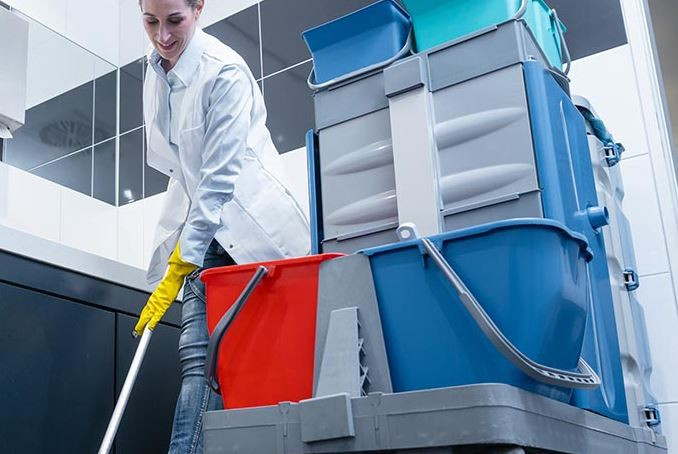
How to Clean Your Public Restroom
Cleaning public restrooms is a crucial responsibility for any business or facility that wants to provide a safe, hygienic, and pleasant experience for visitors. Knowing how to clean a public restroom properly helps reduce germs, improve public restroom odor control, and maintain a professional image.
However, cleaning public restrooms can feel overwhelming without clear commercial restroom cleaning procedures in place. In this guide, we’ll walk through practical steps and a simple commercial restroom cleaning checklist to help you clean and maintain public restrooms effectively.
Commercial Restroom Cleaning Checklist
A structured commercial restroom cleaning checklist helps ensure every area is cleaned consistently, safely, and to a high standard. Whether you manage a retail store, office, school, or public facility, following clear commercial restroom cleaning procedures improves hygiene, supports public restroom odor control, and creates a better experience for visitors.
Use the checklist below as a step-by-step system for cleaning public restrooms efficiently and thoroughly.
Step 1: Gather the Necessary Supplies
Before you begin cleaning, check to ensure you have all the supplies necessary. This may include cleaning solutions, disinfectants, paper towels, toilet brushes, mops, and other equipment. It's also a good idea to have a checklist of the tasks that need to be completed, so you don't forget anything.
Step 2: Set up Signage During Cleaning
When cleaning is underway, it is advisable to put up signs to alert users that the area is temporarily unavailable. This helps to avoid accidents, as well as provides a safe and efficient cleaning environment. The signs can be simple and clearly state the cleaning in progress and when the restroom will be available for use again.
Step 3: Empty the Trash
Prepare the bathroom by first emptying the trash. This will not only make the space more visually appealing, but it will also eliminate any unpleasant odors. Be sure to use gloves when handling the trash, as it may contain potentially harmful materials.
Step 4: Clean High-touch Surfaces
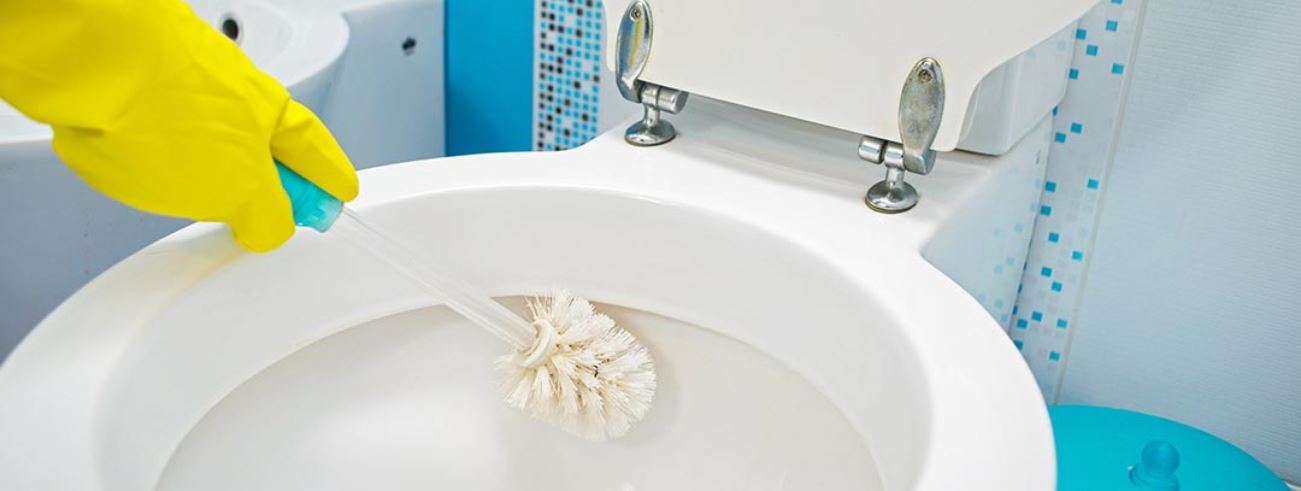
Next, clean and disinfect high-touch surfaces such as doorknobs, light switches, sink handles, and toilets. This will help reduce the spread of germs and bacteria. Use a disinfectant cleaner specifically designed for bathroom surfaces, following the manufacturer's instructions. Pay special attention to the toilet bowl and under the rim, as these areas can be breeding grounds for germs.
Step 7: Clean the Floors
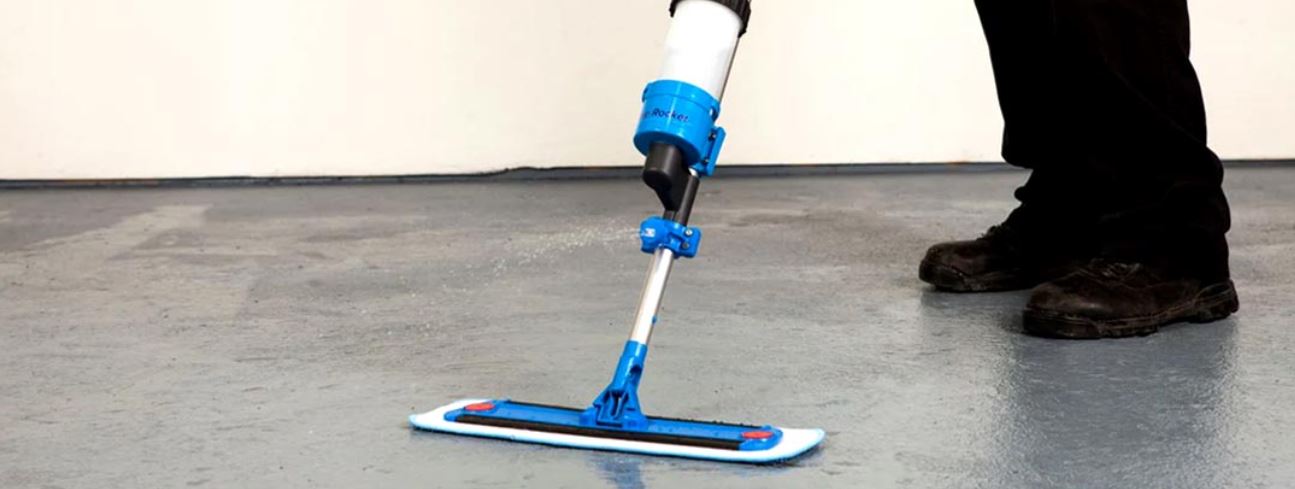
Next, focus on the floor. Sweep or vacuum up any debris, then mop the floor with a disinfectant solution. If there is a grout line between tiles, use a scrub brush to clean it.
Once you are done cleaning, be sure to restock paper supplies, such as toilet paper and paper towels. Make sure the soap dispensers are refilled with soap and that the hand dryers are in good working order.
Step 8: Disinfect
After the cleaning is completed, it is important to disinfect to kill any remaining bacteria, viruses, or other harmful pathogens that may be present on surfaces. This helps to keep the bathroom safe and hygienic for the next user.
Disinfecting kills germs on surfaces. This step is important in reducing the spread of disease and ensuring the overall cleanliness and sanitation of the space. It is especially important in public restrooms where many people use the facilities, as it helps to prevent the transmission of illnesses.
Sanitizing lies in between the two. According to www.flu.gov, sanitizing lowers the number of germs on surfaces to a safe level, as judged by public health standards or requirements, while disinfecting removes bacteria and viruses completely. You sanitize a surface by cleaning or disinfecting it to reduce the risk of spreading infection. In essence, sanitizing destroys all forms of microbial life and is used mainly in healthcare and laboratory settings.
Step 9: Odor Control
Odor control is important to bathroom maintenance. Strong odors can be an indication of poor hygiene or a lack of maintenance, which can be off-putting to customers or guests. Therefore, it's important to regularly check the odor status of your public restrooms and address any issues as soon as possible.
Air fresheners can be an effective way to control odors in public restrooms. They come in various forms such as sprays, automatic dispensers, and scented oils. In addition, we recommend using urinal screens to reduce splashback and help keep the area clean and free of odors.
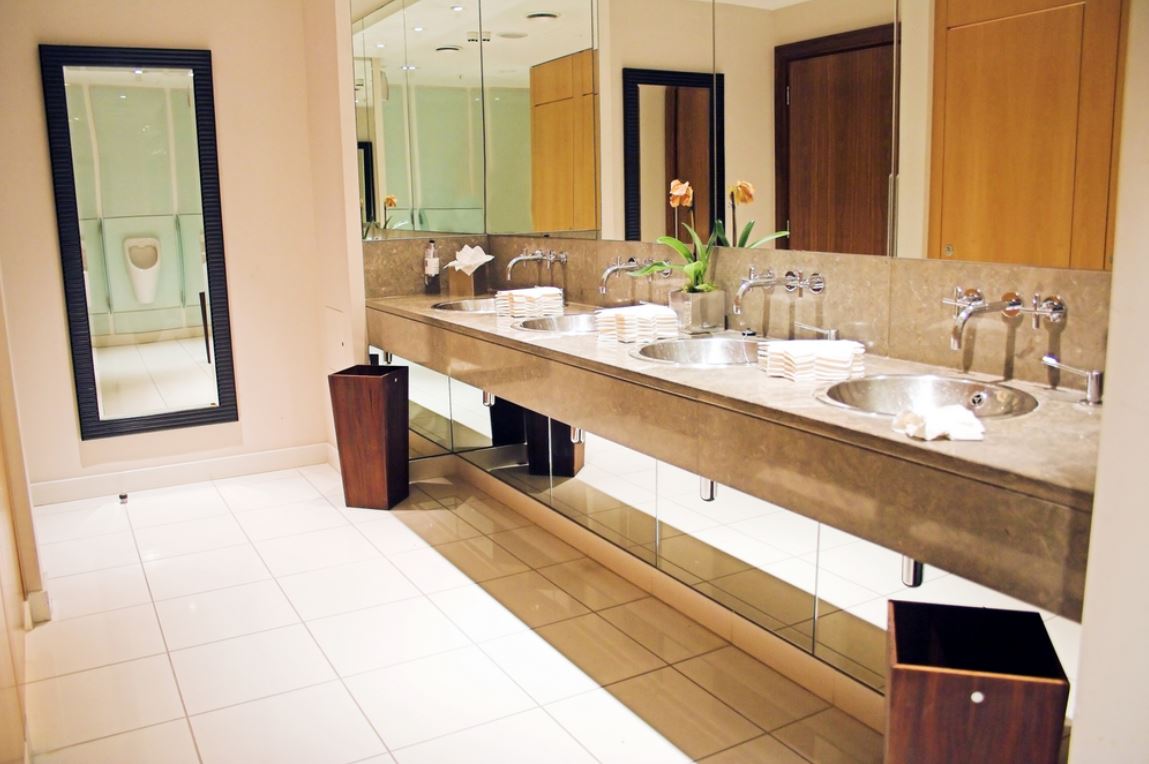
It's important to note that while these steps can help you effectively clean and maintain your public restrooms, it's also important to establish a regular cleaning schedule to ensure that the space stays clean and hygienic.
Keeping your public restrooms clean and well-maintained is crucial for the health and comfort of your customers or guests. By following the steps outlined above, you can ensure that your public restrooms are always clean, hygienic, and pleasant to use. Remember to always use gloves, wear a mask and regularly check on the supplies and equipment to make sure everything is in good condition.
10 Best Practices for Cleaning a Public Restroom
Here are proven best practices to keep a public restroom hygienic, safe, and pleasant for users. Following these consistently helps improve cleanliness standards, reduce complaints, and support better odor control.
1. Follow a consistent cleaning schedule
Clean high-traffic restrooms multiple times per day and low-traffic ones at least daily to maintain hygiene.
2. Use color-coded cleaning tools
Assign specific cloths and mops to toilets, sinks, and floors to avoid cross-contamination.
3. Always clean from top to bottom
Start with mirrors and counters, then move to toilets and floors so dirt doesn’t spread to already-cleaned areas.
4. Allow proper disinfectant dwell time
Let disinfectants sit for the recommended time to effectively kill germs and bacteria.
5. Prioritize high-touch points
Frequently disinfect door handles, flush levers, faucets, and soap dispensers.
6. Wear proper protective equipment (PPE)
Gloves and, when needed, masks help protect cleaning staff from chemicals and germs.
7. Ventilate the restroom during cleaning
Good airflow reduces chemical exposure and helps with public restroom odor control.
8. Restock supplies proactively
Never wait until soap, paper towels, or toilet paper run out—check them during every cleaning.
9. Document cleaning tasks
Use a commercial restroom cleaning checklist or log sheet to ensure accountability and consistency.
10. Inspect before leaving
Do a final walkthrough to confirm cleanliness, odor control, and supply levels.
What Does a Clean Bathroom Look Like?
A clean bathroom should look, smell, and feel sanitary the moment someone walks in. In a public or commercial setting, cleanliness directly impacts user trust, comfort, and perception of your business. A well-maintained restroom signals professionalism and care for hygiene.
Here’s what a truly clean bathroom looks like:
● No visible dirt or stains
Toilets, sinks, counters, mirrors, and floors are free of grime, residue, and water spots.
● Fresh, neutral smell
The restroom smells clean—not overly perfumed, but free from unpleasant odors.
● Dry and clutter-free surfaces
Counters and floors are dry, with no puddles, trash, or scattered paper products.
● Fully stocked supplies
Soap, toilet paper, and paper towels are always available and neatly refilled.
● Clean, streak-free mirrors
Mirrors are clear with no fingerprints or smudges.
● Sanitized high-touch areas
Door handles, faucets, flush handles, and dispensers are disinfected regularly.
Frequently Asked Questions
What is the best way to clean public toilets?
The best way to clean public toilets is to first remove debris, then apply a disinfectant cleaner to bowls, seats, and handles. Allow proper dwell time, scrub thoroughly, and rinse if required. Always wear gloves and focus on high-touch areas to reduce germ spread.
What is the cleaning procedure for public restrooms?
A proper cleaning procedure includes posting signage, emptying trash, cleaning high-touch surfaces, disinfecting toilets and sinks, mopping floors, restocking supplies, and finishing with odor control. Following a checklist ensures consistency and hygiene.
What is the proper way to clean a restroom?
The proper way to clean a restroom is to clean from top to bottom and from least dirty areas to most dirty. Use approved disinfectants and color-coded tools to prevent cross-contamination, and allow disinfectants to sit for the recommended time before wiping.
What to do if a public toilet is dirty?
If a public toilet is dirty, restrict access if possible, then clean and disinfect all affected areas immediately. Remove visible debris, apply disinfectant, scrub thoroughly, and restock supplies. Prompt action helps maintain hygiene and user trust.
Recent Posts
-
 Here's a mistake that happens in restrooms everywhere: a custodian cleans inside the toilet bowl, th …Mar 27, 2026
 -
What are Urinal Cakes & Urinal Screens and How Do They Work?
Persistent restroom odor in commercial facilities is rarely caused by one missed cleaning step. In h …Mar 20, 2026 -
 Commercial dust mops are designed to capture dirt, not redistribute it. When laundered incorrectly, …Mar 13, 2026