

How to Build a Cleaning Training Program That Works
If you're a facility manager, you've probably noticed the pattern: some cleaners finish their zones quickly but leave visible dust in corners. New hires use the wrong products on sensitive surfaces. Two supervisors train the same task completely differently. The result? Inconsistent quality, wasted supplies, and frustrated staff who don't understand what "done right" actually means.
But here's what makes it worse: the cleaning industry is facing a staffing crisis. High turnover, difficulty finding qualified workers, and burnout mean that just when your team learns the ropes, they leave—and you're back to square one. Facility management forums echo the same frustrations:
"We can't keep staff long enough to get consistent results."
"Every time someone quits, quality drops for weeks."
The problem isn't just effort or staffing numbers—it's the lack of a repeatable training system. Research in the Journal of Hospital Infection Control indicates that structured, multimodal cleaning education can improve surface hygiene by up to 80% when employees receive consistent guidance. That's evidence that the right cleaning training program directly impacts cleanliness, safety, and staff retention.
A well-built cleaning training program solves BOTH problems at once: it reduces inconsistency by creating repeatable standards everyone can follow, improves retention by giving staff clear expectations and confidence, speeds up onboarding when turnover happens, and creates institutional knowledge that survives staff changes.
What This Guide Covers
This guide walks you through building a cleaning staff training program that's easy to teach, easy to repeat, and addresses the real-world challenges of workforce shortages and quality inconsistencies. You'll learn how to:
• Create clear, visual cleaning SOPs that everyone can understand
• Structure onboarding for fast skill mastery
• Implement facility-specific cleaning inspection checklists
• Use data-driven coaching and audit techniques
• Track measurable progress and maintain standards
1. Start with Clear Goals and SOPs
Every effective janitorial training program begins with defined outcomes. Staff can't meet expectations they've never seen—which is why cleaning SOPs (Standard Operating Procedures) are the foundation of every successful cleaning program.
Cleaning SOPs document how each task should be done, which products to use, and how quality will be measured. According to ISSA Cleaning Management Institute, clear, well-documented SOPs are the single most effective tool for reducing cleaning errors and chemical misuse.
Why SOPs matter during turnover: When cleaning staff leave—and in this industry, they often do—documented SOPs become your institutional memory. New hires don't need to rely on a veteran cleaner's tribal knowledge. They have a clear, written reference from day one, cutting retraining time significantly.
Strong SOPs should include:
• The exact order of operations (dust → vacuum → disinfect)
• Approved products and dilution ratios
• Required PPE and safety guidelines
• Visual quality checkpoints for supervisors
• Surface-specific contact times for disinfectants (per manufacturer instructions)
2. Build a Structured Onboarding Curriculum
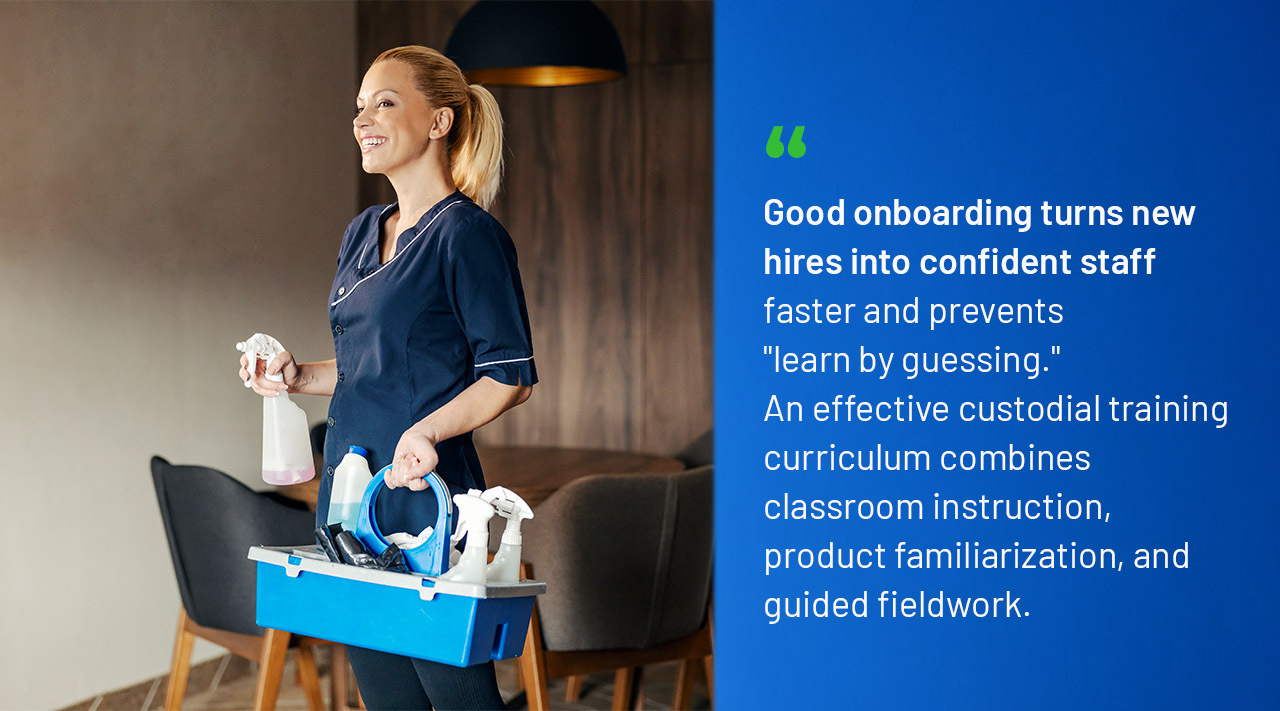
Good onboarding turns new hires into confident staff faster and prevents "learn by guessing." An effective custodial training curriculum combines classroom instruction, product familiarization, and guided fieldwork. In an industry facing chronic staffing shortages, a structured onboarding program is your competitive advantage.
Phase 1: Orientation & Safety
Cover cleaning zones, hazard communication, and OSHA basics such as PPE and chemical labeling. Research indicates that workers who receive proper safety training may see significant reductions in injury claims compared to workers without training. Safety training should also address common workplace hazards like proper floor disinfection techniques. Learn how to prevent accidents with our Custodian Safety Guide: How to Prevent Slippery Floors After Disinfecting.
Phase 2: Product & Tool Familiarization
Train with the same equipment used in the field. Stock your cleaning training program with standardized business cleaning supplies. Hands-on familiarity with janitorial cleaning supplies ensures fewer product mistakes and safer handling.
Phase 3: Practice and Demonstration
Practical sessions let new staff apply what they've learned under supervision. Training interventions with surface-specific performance feedback significantly improve cleaning staff performance and confidence.
3. Teach Proper Techniques and Safety First
Technique determines outcome. Every custodial training program should emphasize:
• Correct dilution and contact time for disinfectants (per manufacturer instructions)
• Zone separation using color-coded microfiber systems
• Surface-specific cleaning methods for glass, electronics, and stainless steel
• Consistent PPE use and chemical handling
• Top-to-bottom, clean-to-dirty workflow patterns
For advanced efficiency techniques, explore our guide on How to Clean Faster Without Cutting Corners.
4. Reinforce Accountability with Checklists
A cleaning inspection checklist turns training into a habit. Supervisors can use it to verify that every zone was cleaned to spec and identify where coaching is needed. Checklists don't just improve quality—they provide continuity when staff changes. Whether you're training a replacement or covering an unexpected absence, checklists ensure every surface gets cleaned to the same standard.
Your commercial cleaning checklist should audit for:
• Completion of assigned areas — Every zone finished within shift time
• Correct product usage and dilution — Following manufacturer guidelines and SOP specifications
• PPE and signage compliance — Gloves, safety glasses, wet floor signs used appropriately
• Supply readiness for the next shift — Restocking completed, equipment returned
• Surface quality verification — Streak-free, residue-free, visibly clean results
For detailed guidance on prioritizing the most critical surfaces, see our High-Touch Surface Cleaning Checklist & Guide for Facilities.
The cleaning inspection checklist keeps cleaning measurable—transforming subjective "looks clean" standards into objective quality control. The checklists below integrate all five audit criteria to help you train staff on complete cleaning accountability.
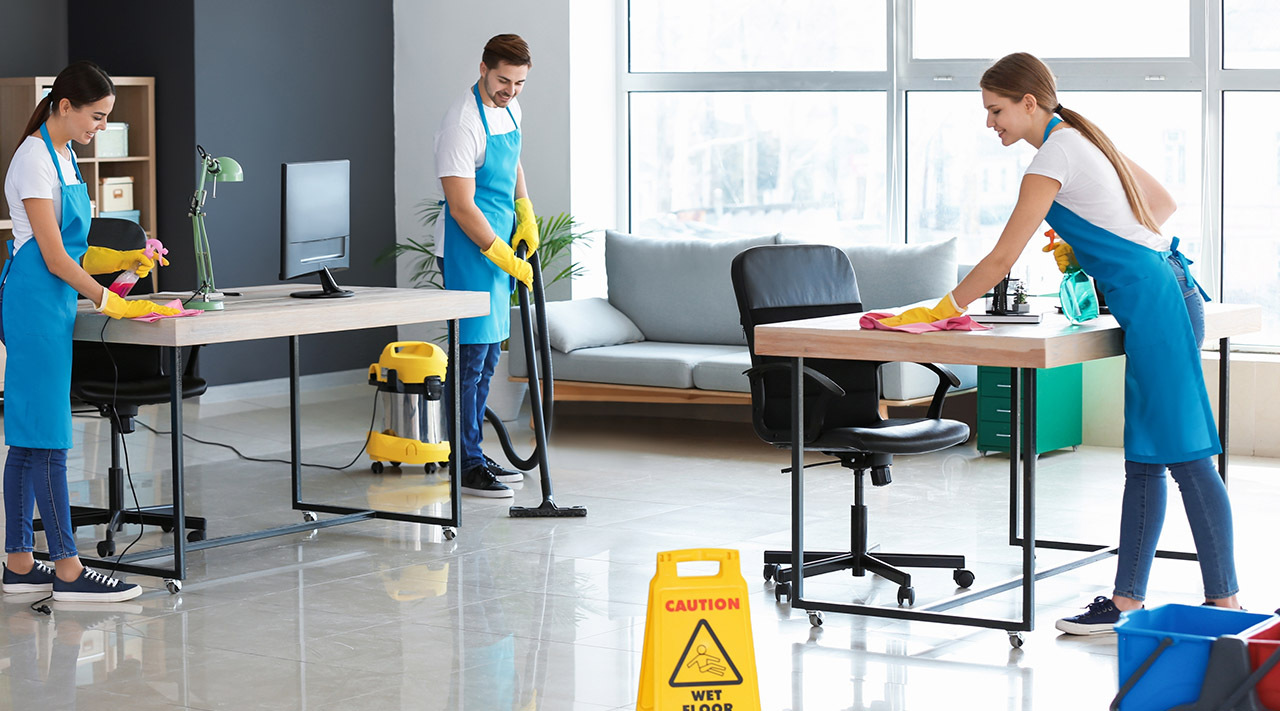
5. Training Checklists by Facility Type
We've created detailed, fillable checklists for six common facility types. Each includes task steps, PPE requirements, products and dilution fields, frequency schedules, pass/fail criteria, and space for staff initials. Download, customize with your facility's specific products and schedules, then print or digitize for your team.
Download your facility's checklist:
• Office & Corporate Spaces Checklist (PDF)
• Schools & Educational Facilities Checklist (PDF)
• Fitness Centers & Gyms Checklist (PDF)
• Healthcare & Clinics Checklist (PDF)
• Food Service & Cafeteria Checklist (PDF)
• Hotels & Hospitality Checklist (PDF)
For multi-site operations: Download the Complete Checklist Bundle to access all six facility-specific checklists at once—ideal for multi-use facilities or management companies overseeing diverse property types.
6. Coach, Audit, and Retrain
Regular feedback isn't just about quality control—it's about retention. Cleaning staff who receive recognition, constructive coaching, and clear expectations are significantly more likely to stay.
The data supports this: research indicates that employees who receive high-quality recognition are 45% less likely to turn over after two years, and 79% of employees cite "lack of appreciation" as a primary reason for leaving. Regular audits combined with timely, non-punitive feedback help drive sustainable improvements in cleaning quality while boosting staff morale.
How to build coaching into your janitorial training program:
• Conduct quick weekly audits using your cleaning inspection checklist
• Recognize high-performing staff publicly—celebrate wins and acknowledge hard work
• Offer retraining when new products or SOP updates roll out
• Document coaching sessions for continuous improvement tracking
• Provide growth opportunities and cross-training to combat burnout and show career paths
Positive feedback turns compliance into pride—and that's what keeps standards high and staff engaged long after training ends.
7. Equip and Standardize Tools for Success
Consistency only happens when every site uses the same high-quality tools. Equip your cleaning staff training program with products that reinforce good habits.
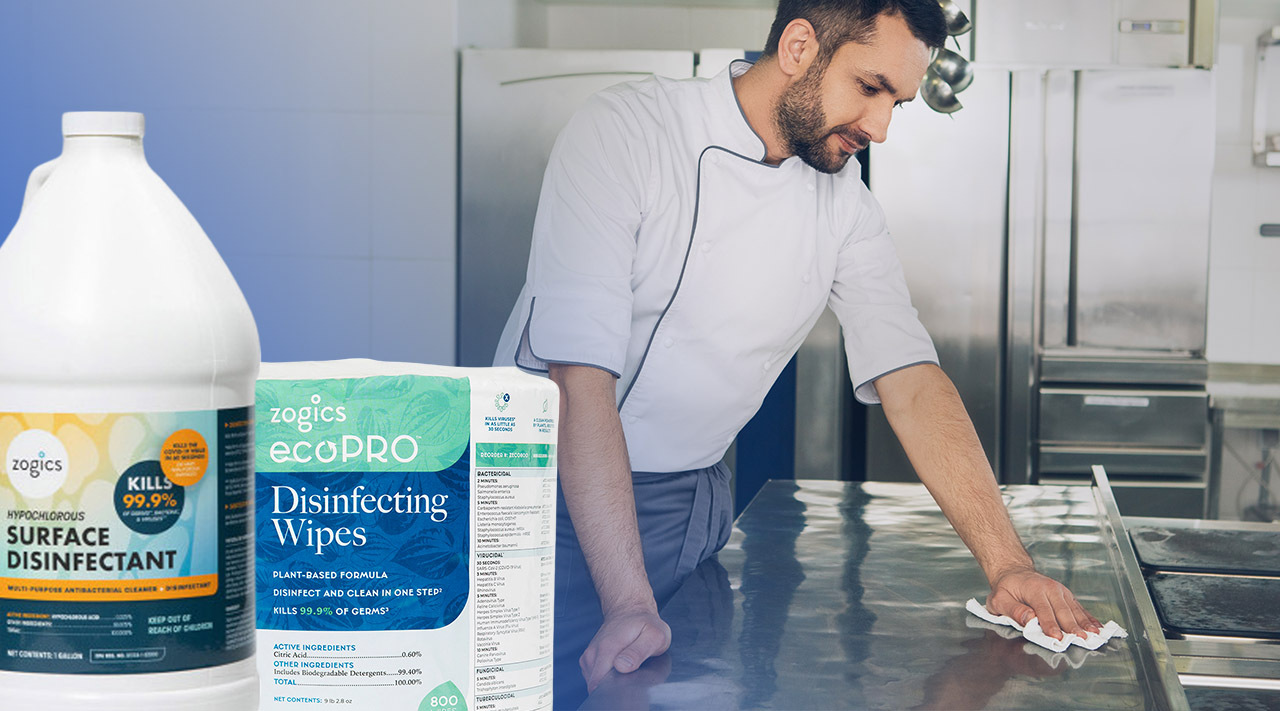
Effective training starts with the right equipment. Demonstrate proper posture and movement patterns using commercial vacuum cleaners and floor scrubbers during hands-on sessions. Create a centralized supply hub with an all-in-one cleaning station stand so trainees learn organized workflows from day one. Use color-coded antimicrobial microfiber towels to teach zone separation—staff quickly grasp which towels belong in restrooms versus break rooms through simple color recognition.
Stock EPA-registered disinfecting wipes and disinfectants to teach proper dwell times and surface compatibility across offices, guest rooms, and public areas. Healthcare environments need hospital-grade options like hypochlorous acid or botanical disinfectant solutions that meet infection control standards.
High-turnover environments like schools and gyms benefit from fast-acting hand and surface sanitizing wipes for quick classroom or equipment turnaround. Pair these with specialty cleaners—organic acid restroom cleaner tackles mineral buildup, and glass cleaning spray delivers streak-free results. Finally, hotel programs should standardize premium amenities to ensure consistent guest room presentation regardless of which staff member is working.
Standardizing your janitorial cleaning supplies builds predictability—no matter who's on shift or which location they're in. To maximize product efficiency and reduce waste during training, reference our guide on Stop Wipes from Drying Out: Dispenser Setup, Refill Best Practices, and Cost-Saving Tips.
Shop Janitorial & Cleaning Supplies →
Conclusion: Training Solves Two Problems at Once
A strong cleaning training program doesn't just improve quality—it addresses the two biggest challenges facility managers face: inconsistent cleaning and chronic workforce turnover.
By creating clear SOPs, structured onboarding, hands-on practice, and ongoing coaching, you build a system that maintains consistent standards even when staff changes, reduces retraining time during turnover, builds employee confidence and job satisfaction, and creates institutional knowledge that survives staffing transitions.
The facilities struggling with "we can't keep staff" and "quality is inconsistent" aren't facing two separate problems—they're facing one problem with two symptoms. Training is the solution to both.
When you’re ready to build your cleaning training program, explore The Cleaning Station's full catalog of janitorial cleaning supplies, training tools. Download our complete checklist bundle to get started.
Frequently Asked Questions
How long should cleaning staff training take?
Begin with a two-day onboarding to cover fundamentals, followed by weekly refreshers and quarterly evaluations. Most staff reach full competency within 30 days of structured training.
What’s the difference between cleaning and disinfecting training?
Cleaning removes visible soils, while disinfecting eliminates microbes. Training for cleaning staff should cover both processes—including dwell times and chemical safety—to ensure true hygiene compliance.
How do I keep training consistent across multiple sites?
Standardize cleaning SOPs, cleaning inspection checklists, and product kits so every cleaner works the same way everywhere. Use digital training platforms for remote access when possible.
Should training records be documented?
Absolutely. Documentation protects your organization, proves compliance, and helps target retraining where it matters most. Keep records of onboarding completion, audit scores, and refresher training sessions.
What janitorial cleaning supplies are essential for training?
Start with EPA-registered disinfecting wipes, color-coded microfiber systems, all-purpose neutral cleaners, PPE (gloves, safety glasses), and a centralized cleaning station for organized storage and access.
Recent Posts
-
 Here's a mistake that happens in restrooms everywhere: a custodian cleans inside the toilet bowl, th …Mar 27, 2026
 -
What are Urinal Cakes & Urinal Screens and How Do They Work?
Persistent restroom odor in commercial facilities is rarely caused by one missed cleaning step. In h …Mar 20, 2026 -
 Commercial dust mops are designed to capture dirt, not redistribute it. When laundered incorrectly, …Mar 13, 2026