
High-Touch Surface Cleaning Checklist & Guide for Facilities
Overview: What This Guide Covers
This guide provides a complete, ready-to-use high-touch surface cleaning checklist for facility teams. You’ll learn:
• What are high-touch surfaces and why they matter
• How to choose the right disinfectant, wipe, or cleaner for each material
• Recommended cleaning frequencies by facility type
• Proven disinfection protocols for preventing missed spots
• Staff training and consistency tips to maintain hygiene standards
Whether you manage an office, school, fitness center, or healthcare space, this checklist simplifies disinfection planning and ensures every surface gets the right care.
The Hidden Problem: Why "Clean" Surfaces Still Make People Sick
Every day, custodial teams follow surface cleaning protocols. Yet studies reveal a troubling reality: 30-50% of high-touch surfaces are routinely missed during disinfection rounds, creating hidden pathways for disease transmission.
The science backs this up. A 2024 study published in the American Journal of Infection Control found that multiple high-touch surfaces, including bed rails, keyboards, and simulation manikins, harbored pathogenic bacteria despite compliance with standard disinfection protocols. Out of 60 different bacterial species identified across 400 surface samples, 18 were confirmed human pathogens—including MRSA, E. coli, Pseudomonas aeruginosa, and Enterococcus. Concerningly, about half of these bacteria were also isolated from clinical patient samples during the same period.
In long-term care facilities, the situation is even more alarming. Research using ATP bioluminescence and fecal contamination markers found that over 90% of tested surfaces showed contamination levels indicating cleaning deficiencies. Handrails, equipment controls, and patient beds were four times more likely than other locations to harbor high levels of contamination.
Key Insight
A systematic review found that 20-40% of healthcare-associated infections originate from pathogens transferred via contaminated hands or surfaces, highlighting failures in high-touch surface disinfection. The more people touch a surface, the higher the transmission risk—so disinfect by exposure frequency, not by clock schedule.
Understanding "High Touch" vs. "High Frequency" Cleaning
Many facilities still clean by schedule instead of by risk. But "high touch" doesn't mean "cleaned frequently"—it means frequently handled by multiple people.
Door handles, elevator buttons, and touchscreens may appear spotless yet accumulate microbes faster than floors or walls. These surfaces serve as reservoirs where pathogens like MRSA, VRE, C. difficile, and norovirus can survive for hours to months, continuously exposing patients and staff to infection risk.
A 2024 U.S. study by the Association for Professionals in Infection Control and Epidemiology (APIC) found that what are high-touch surfaces often retain significant microbial contamination even after routine cleaning, underscoring the need for targeted surface disinfection protocols. Researchers observed that hospital high-touch areas — including bed rails, workstations, and equipment frequently handled by staff and patients — continued to harbor harmful microbes despite standard cleaning, highlighting the importance of enhanced cleaning routines to reduce contamination risk.
Surface-Specific Chemistry: Why One Product Doesn't Fit All
Before selecting any disinfectant, you must match chemistry to surface type. The wrong formula can corrode metals, cloud coatings, degrade rubber, or leave residues that actually attract more soil.
Critical Warning
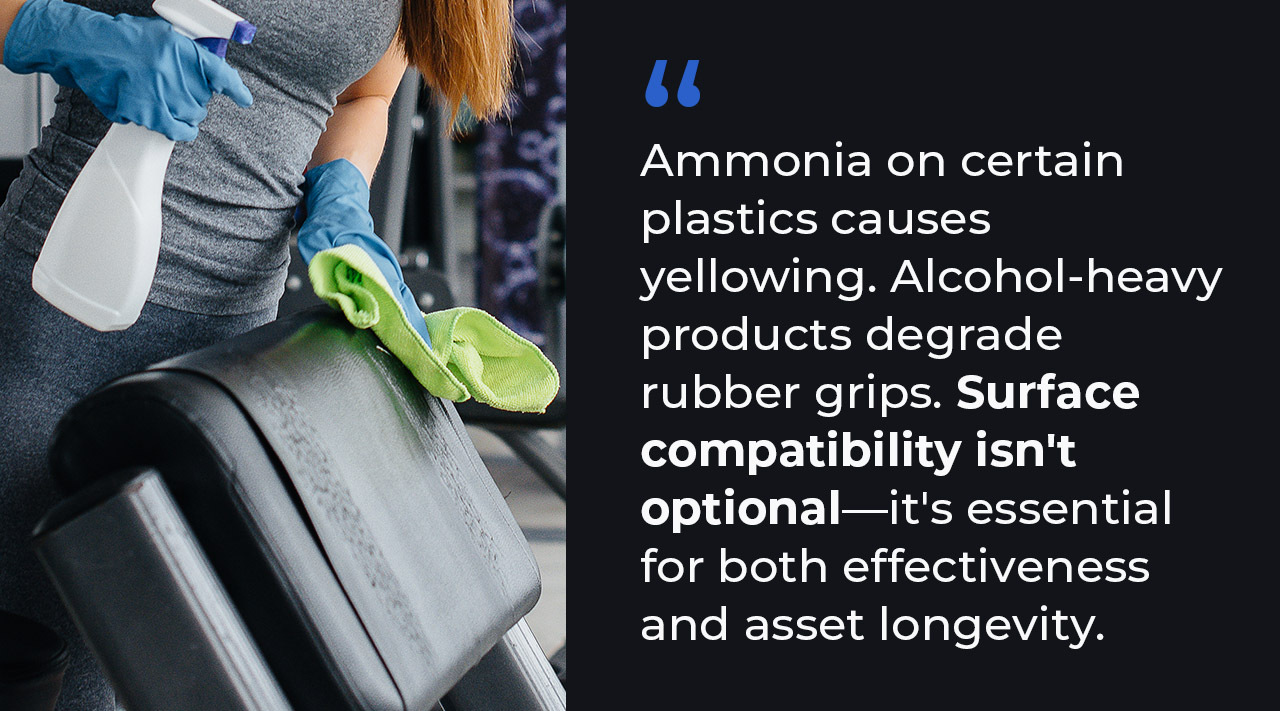
Using bleach on stainless steel causes pitting. Ammonia on certain plastics causes yellowing. Alcohol-heavy products degrade rubber grips. Surface compatibility isn't optional—it's essential for both effectiveness and asset longevity.
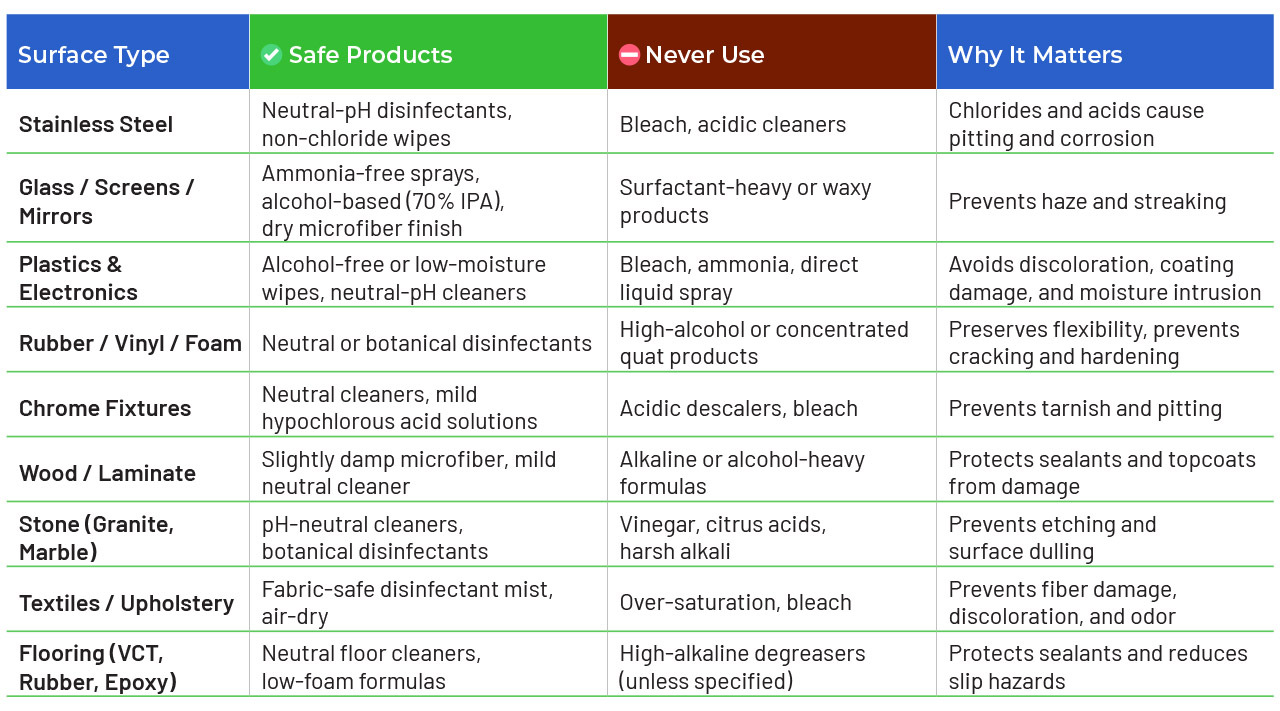
Surface Compatibility Reference Guide
Different materials respond differently to cleaning chemistry. Using the wrong formula can cause streaking, haze, or even surface damage.
For a deeper look at how to select the right cleaners and wipes for stainless steel, glass, and screens, see our detailed guide: No-Streak Cleaning: Picking the Right Wipes & Sprays for Stainless Steel, Glass, and Screens
✓ Pro Tip
Always check manufacturer safety data sheets (SDS) and EPA registration details. Compatible products protect your investment while ensuring pathogen kill claims remain valid.
Browse All Cleaning Chemicals →
Recommended Cleaning Products
Stainless Steel & Metal
Where: Door handles, push plates, handrails, stall locks, lockers, railings, refrigerator handles, equipment handles, bed rails, IV poles
Facilities: All
Products:
• WOW! Stainless Steel Cleaner & Protectant Spray (16 oz)
• WOW! Stainless Steel Cleaner & Protectant Towelette Canister
• Misco E12 Super Duty Degreaser (kitchen appliances)
• Misco E07 All Surface Neutral Cleaner
Electronics
Where: Phones, keyboards, mice, remotes, laptops, tablets, Chromebooks, touchscreen kiosks, POS terminals, touch panels, consoles
Facilities: All
Products:
• Zogics Antibacterial Disinfecting Wipes 4 Rolls/Case
• Zogics ecoPRO Disinfecting Wipes 4 Rolls/Case
Plastic Surfaces
Where: Light switches, buttons, drawer pulls, chair arms, desks, chairs, classroom furniture, partitions, stall locks, door locks
Facilities: All
Products:
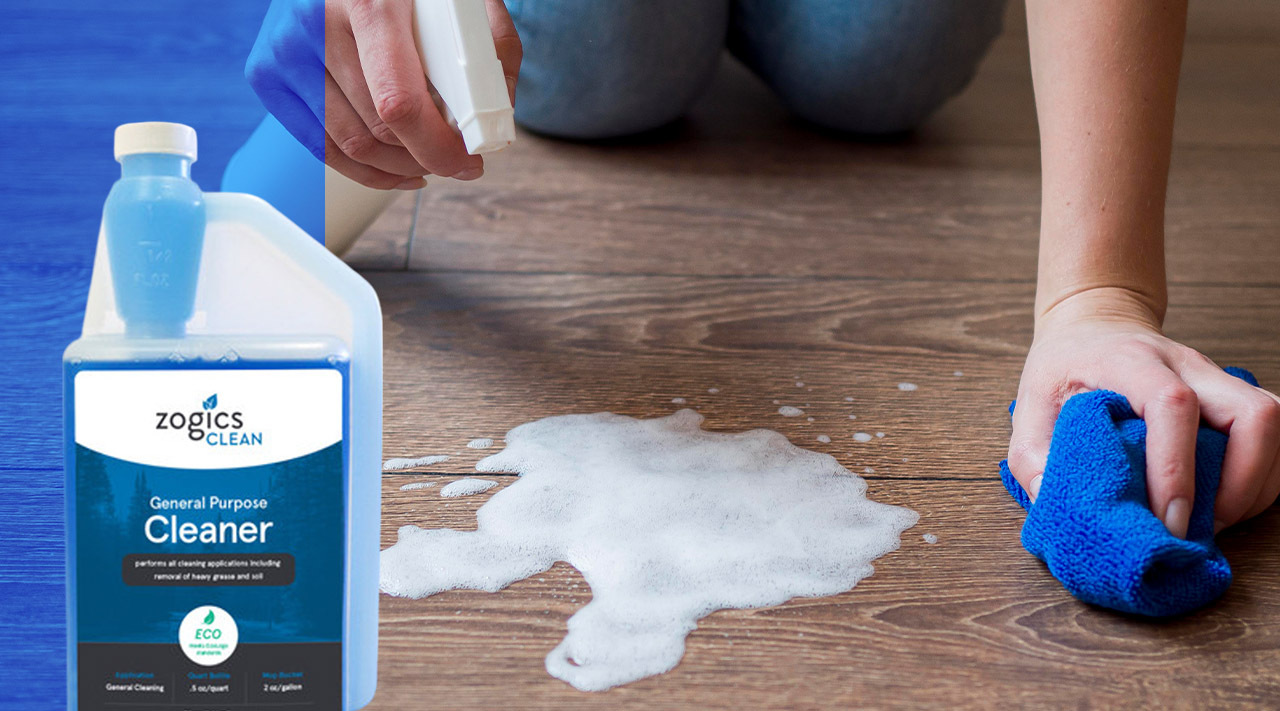
• Zogics General Purpose Cleaner
• Boardwalk Natural All Purpose Cleaner
• Misco E18 General Purpose Cleaner
Wood & Laminate
Where: Desks, tables, reception counters, conference tables, library tables, prep surfaces, over-bed tables
Facilities: Offices, Schools, Healthcare, Food Service, Hotels
Products:
• Zogics All Surface Neutral Cleaner (daily)
• Murphy Oil Soap Wood Cleaner (weekly for sealed wood)
• Clorox Germicidal Bleach Wipes
Chrome & Glass Fixtures
Where: Faucet handles, flush levers, mirrors, shower controls
Facilities: All
Products:
• Zogics Glass Cleaning Spray
• Windex Powerized Glass Cleaner with Ammonia-D
• Zogics Organic Acid Restroom Cleaner
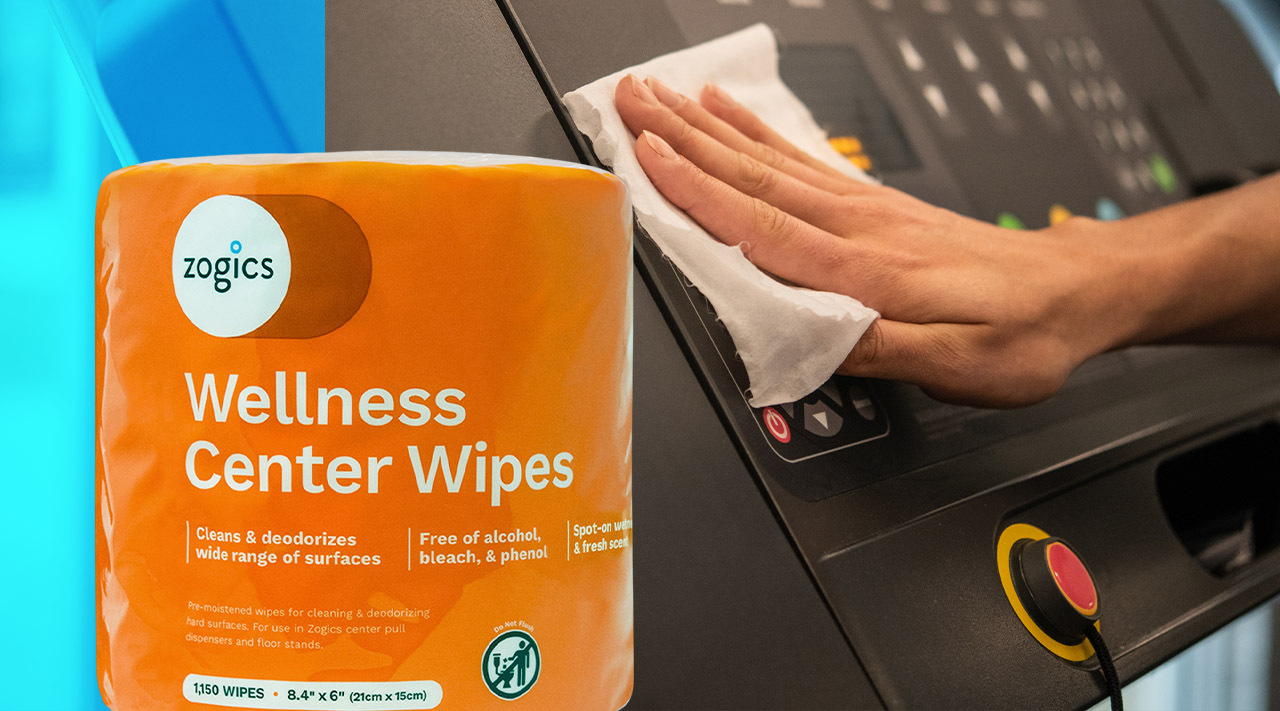
Rubber & Vinyl (Gym Equipment)
Where: Machine handles, grips, benches, cardio equipment, treadmill/bike/elliptical handles, weight equipment
Facilities: Gyms, Hotels with fitness centers
Products:
• Zogics Antibacterial Disinfecting Wipes 4 Rolls/Case
• Zogics Hand & Surface Sanitizing Wipes 4 Rolls/Case
Food-Contact Surfaces
Where: Prep counters, cutting boards, cafeteria tables, trays, dining tables, beverage stations, refrigerator handles, microwave controls
Facilities: Food Service, Schools, Hotels, Office breakrooms
Products:
• EPA-Registered Force of Nature Commercial Cleaning Bundle
• Purell Sanitizing Surface Wipes
• Simple Green All-Purpose Cleaner
Healthcare-Grade Disinfectants
Where: Patient rooms, nurse stations, exam tables, medical equipment, monitoring equipment, high-risk areas
Facilities: All, especially healthcare
Products:
• Zogics Hypochlorous Acid Surface Disinfectant
• Vital Oxide Commercial Surface Disinfectant
• Bioesque Botanical Disinfectant Solution Gallon
• MPC A2Z Multi-Surface Disinfectant
Restroom Surfaces
Where: Toilet handles, stall locks, partitions, bathroom fixtures, shower stalls
Facilities: All
Products:
• Scrubbing Bubbles Multi Surface Bathroom Cleaner
• Misco E03 Organic Acid Restroom Cleaner
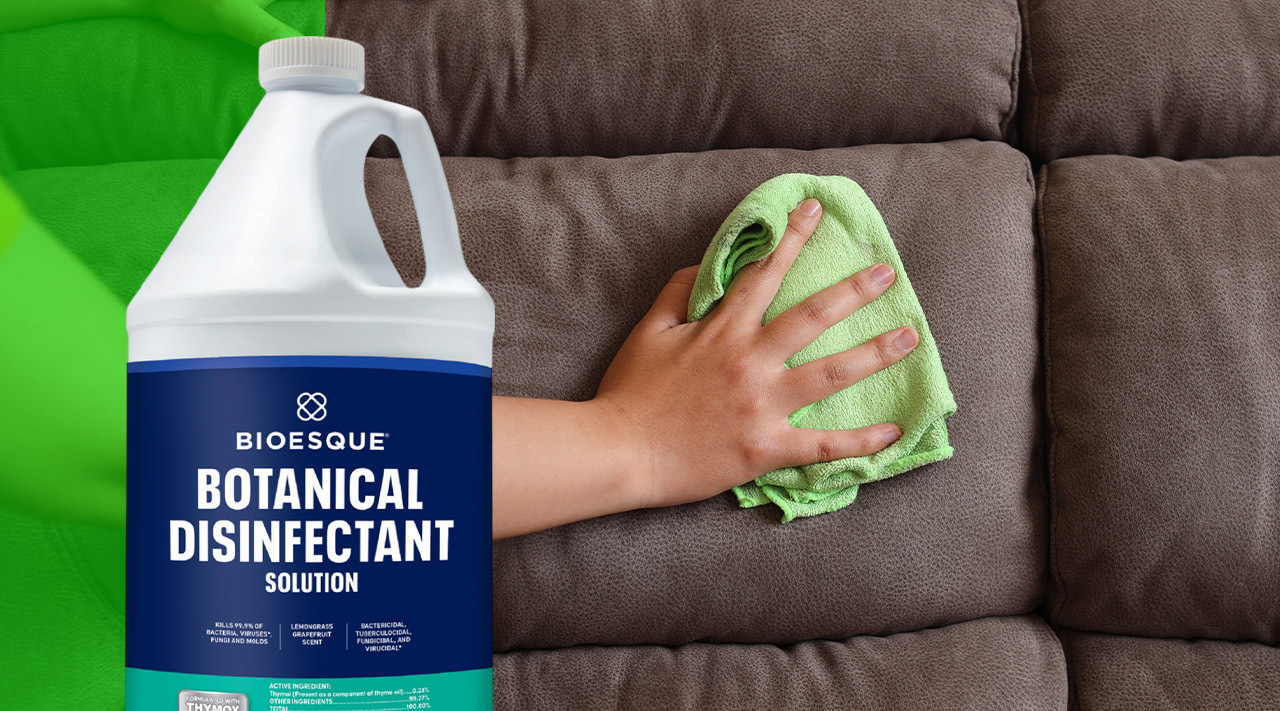
Upholstery & Fabric
Where: Chairs, waiting area seating, patient chairs
Facilities: Healthcare, Offices, Hotels
Products:
• Bioesque Botanical Disinfectant Solution Spray Bottle
Complete High-Touch Surface Checklists: Printable Templates for Facilities
These printable checklists are designed for facility managers, custodial teams, and cleaning staff to plan and track daily high-touch surface disinfection. Each template identifies key touchpoints by facility type, along with recommended cleaning frequency and fill-in space for your preferred products and tools.
Download any checklist below — print, post, or use digitally to maintain cleaning consistency across your facility.
Offices & Corporate Spaces
Modern office environments bring together constant movement — staff meetings, shared workstations, and high-contact surfaces like door handles, keyboards, and elevator buttons. While they may look spotless, these areas can quietly collect oils, dust, and bacteria throughout the day. Establishing a routine, surface-specific cleaning schedule helps maintain a healthy workspace and a professional first impression.
FREE DOWNLOAD: Office and Corporate Spaces_Cleaning Checklist
Schools & Educational Facilities
From classrooms and cafeterias to libraries and labs, schools are some of the busiest shared environments. Students and staff handle the same surfaces dozens of times a day, increasing the chance of spreading germs through desks, door handles, and electronics. Consistent, targeted cleaning keeps these high-touch areas safe and supports a healthier learning environment.
FREE DOWNLOAD: Schools and Educational Facilities_Cleaning Checklist
Fitness Centers & Locker Rooms
Gyms and locker rooms are high-turnover spaces where dozens of hands share the same surfaces every hour. Equipment grips, benches, and locker handles accumulate sweat, oils, and microbes quickly — especially in warm, humid environments. Regular wipe-downs and surface-safe disinfectants are critical not just for hygiene but also for protecting vinyl, rubber, and metal finishes from damage.
FREE DOWNLOAD: Fitness Centers and Locker Rooms_Cleaning Checklist
Healthcare & Clinics
Healthcare environments demand precision and consistency — not just for cleanliness, but for infection prevention. High-touch surfaces in patient rooms, nurse stations, and exam areas can harbor pathogens if not cleaned regularly and with the right chemistry. Using EPA-approved disinfectants and surface-compatible wipes ensures safe, effective cleaning that supports patient safety and compliance standards.
FREE DOWNLOAD: Healthcare and Clinics_Cleaning Checklist
Food Service & Cafeterias
Food service and dining environments require strict, time-based cleaning to prevent cross-contamination and maintain food safety standards. High-touch areas like prep counters, equipment handles, and condiment stations can transfer bacteria quickly if not cleaned between uses. Using food-contact-safe disinfectants and sanitizers ensures compliance while protecting surfaces from wear or residue.
FREE DOWNLOAD: Food Service and Cafeterias_Cleaning Checklist
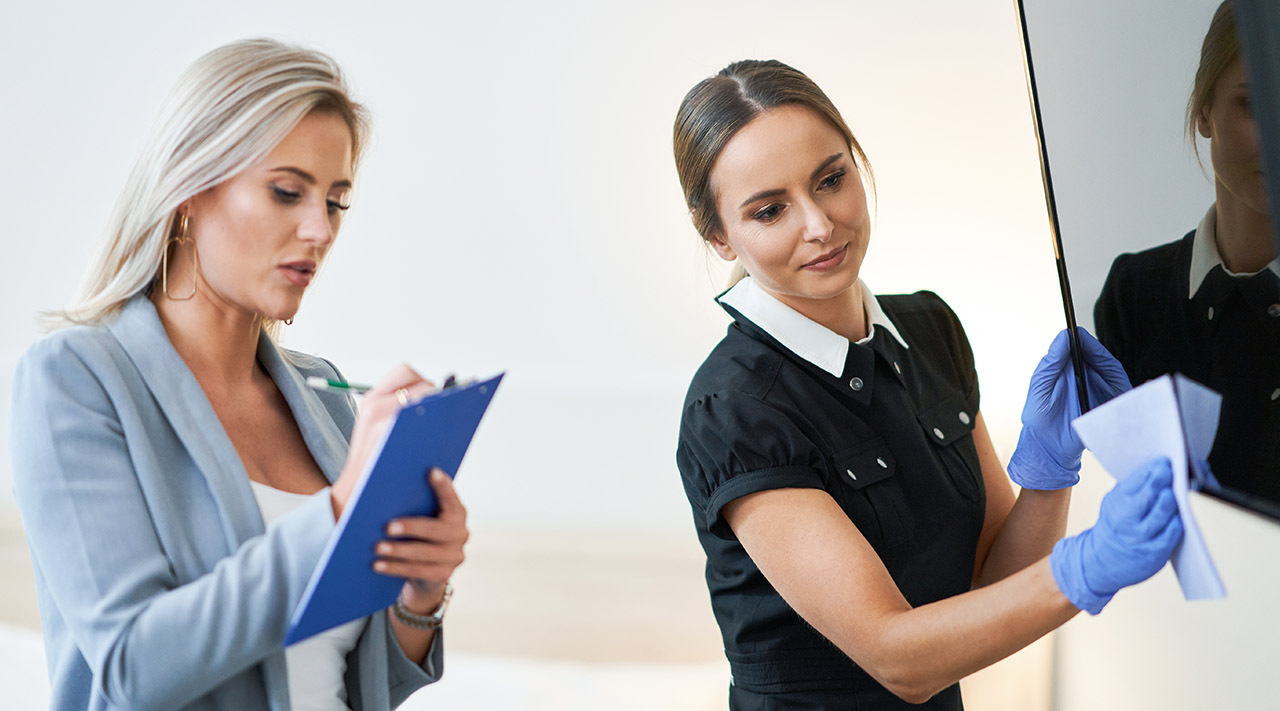
Implementation & Ensuring Staff Consistency
Even the most comprehensive checklist fails without proper implementation and accountability. Research consistently shows that training and monitoring dramatically improve cleaning outcomes.
Evidence from the Field
A fluorescent-marker compliance study found that only half of the test contaminants were removed under routine cleaning protocols, but coverage exceeded 85% after targeted refresher training. This demonstrates that training quality matters as much as the tools and products used.
Best Practices for Consistent Execution
1. Laminated cart checklists: Keep waterproof, facility-specific checklists attached to every custodial cart. Staff should initially complete sections and note any issues.
2. Respect EPA contact times: The surface must stay visibly wet for the full dwell period listed on the product label (typically 1-10 minutes). Wiping too soon can reduce efficacy by up to 90%.
3. One wipe, one surface: Replace wipes before they dry out. Never reuse the same wipe across multiple areas—this causes cross-contamination.
4. Color-coded microfiber system: Use different colors for different zones (e.g., blue for offices, red for restrooms, green for food service). This prevents pathogen transfer between areas and helps teams stay consistent. For a deeper breakdown of how microfiber works and how to maintain it properly, see our guide: How to Clean with Microfiber.
5. ATP monitoring program: Implement regular ATP bioluminescence testing to objectively verify cleaning effectiveness. Studies show ATP testing provides rapid, quantifiable results (within 10-20 seconds) that identify high-risk areas more reliably than visual inspection alone.
6. Weekly audits with accountability: Conduct spot-checks using ATP testing or fluorescent markers. Missed surfaces should trigger immediate retraining, not punitive action—focus on process improvement.
7. Shift huddles: Brief 5-minute meetings at shift start to review priorities, product contact times, and any facility-specific concerns.
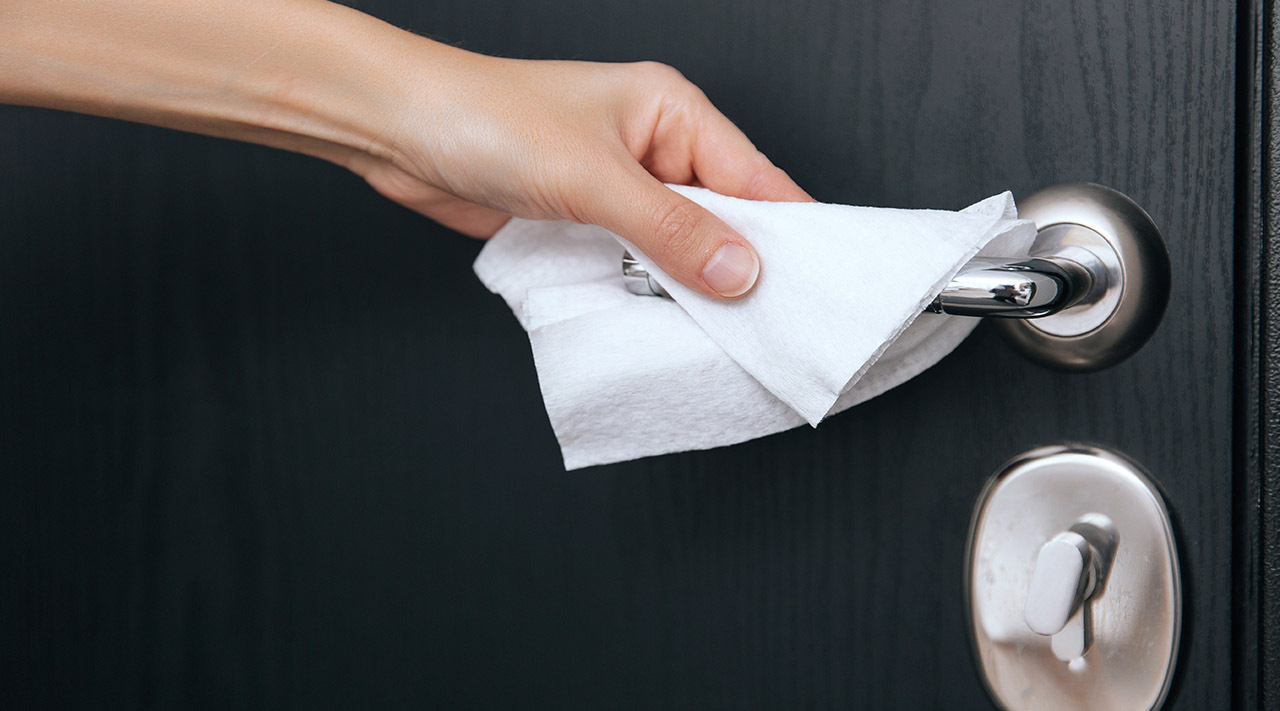
Common Mistakes That Undermine Your Efforts
Avoid these critical errors:
1. Reusing one wipe across multiple areas – This spreads pathogens rather than eliminating them. Pathogens from restrooms can contaminate office surfaces through dirty wipes.
2. Spraying disinfectant directly on electronics or glossy finishes – Liquid can seep into components, causing permanent damage. Always spray onto a microfiber cloth first, then wipe.
3. Mixing incompatible chemicals – Never mix bleach with quats, ammonia, or acids. This neutralizes effectiveness and can create dangerous fumes.
4. Ignoring surface compatibility – Using harsh chemicals on incompatible surfaces causes haze, corrosion, cracking, or slip hazards. Always consult compatibility charts.
5. Assuming scent equals clean – Fragrance has zero disinfecting value. A surface can smell "clean" while harboring thousands of bacteria. Only EPA-registered disinfectants with proper contact time kill pathogens.
6. Wiping surfaces dry too quickly – Disinfectants require contact time to work. If you wipe a surface dry after 30 seconds but the label requires 5 minutes, you've effectively done nothing.
7. Skipping undersides of high-touch items – Door handle undersides, push plate edges, faucet bases, and chair underarms are frequently missed. Audits consistently show these areas have the highest contamination.
The Path Forward: Working Smarter, Not Just Harder
High-touch surface disinfection isn’t about working harder—it’s about working smarter with evidence-based protocols and efficient workflows. For strategies that help cleaning teams save time while maintaining top-quality results, read our high-touch surface cleaning guide: How to Clean Faster Without Cutting Corners: A Custodian’s Guide.
When facilities move from schedule-based cleaning to risk-based disinfection, when staff understand why contact time matters, and when verification tools like ATP testing provide objective feedback, transformation happens. Surfaces don't just look clean—they are hygienically clean. Infection rates drop. Occupant confidence rises. Staff take pride in measurable outcomes.
Ready to Eliminate Gaps in Your Cleaning Program?
Next Steps:
1. Download and print facility-specific checklists
2. Audit your current disinfectant inventory for surface compatibility
3. Stock appropriate wipes, disinfectants, and neutral cleaners for each surface type
4. Implement a color-coded microfiber system to prevent cross-contamination
5. Consider ATP monitoring for objective cleaning validation
6. Review contact times and procedures during shift huddles
7. Conduct weekly spot audits with immediate feedback
Building a comprehensive high-touch surface disinfection program requires access to professional-grade, surface-compatible products. At The Cleaning Station, we offer complete lines of EPA-registered disinfectant wipes, hypochlorous acid solutions, and neutral pH cleaners specifically formulated for high-touch surface disinfection across healthcare, education, fitness, and commercial facilities.
Always follow manufacturer instructions and regulatory requirements specific to your facility type and jurisdiction.
Frequently Asked Questions
What are high-touch surfaces?
High-touch surfaces are areas that multiple people frequently handle throughout the day, making them higher risk for germ transmission. Common examples include door handles, elevator buttons, phones, light switches, touchscreens, keyboards, faucets, railings, shared equipment grips, and chair arms.
Even surfaces that appear clean can harbor pathogens for hours or days. The defining factor is frequency of contact, not visibility.
How often should high-touch surfaces be cleaned and disinfected?
Frequency depends on traffic level, usage, and setting:
- Public areas & shared equipment: Every 2–4 hours or between users
- Offices & schools: At least once per shift
- Gyms & fitness centers: Between users and scheduled intervals
- Healthcare settings: May require hourly disinfection
A documented schedule ensures consistency and accountability.
What’s included in a high-touch surface cleaning checklist?
A proper checklist outlines:
- Surfaces to clean
- Correct products by material
- Disinfection contact times
- Cleaning frequency by area
- Accountability and verification steps
Structured checklists reduce missed surfaces and improve compliance.
Can I use one disinfectant for all surfaces?
No. High-touch surface disinfection requires matching chemistry to material:
- Neutral-pH cleaners for stainless steel and plastics
- Food-contact sanitizers for prep areas
- Alcohol-free or low-residue formulas for electronics
- Hypochlorous acid or botanical options for sensitive surfaces
A one-size-fits-all approach can damage surfaces and reduce effectiveness.
Are alcohol wipes safe for electronics and touchscreens?
Use caution. Low-moisture wipes with 70% isopropyl alcohol or alcohol-free options are generally safer.
- Never spray directly on devices
- Apply to a microfiber cloth first
- Wipe gently and avoid excess moisture
Always follow manufacturer recommendations.
How long should disinfectant stay on a surface?
Follow the EPA-listed contact time, typically 1–10 minutes. The surface must remain visibly wet for the full duration.
Wiping too early significantly reduces effectiveness.
Why shouldn’t I mix disinfectants?
Mixing disinfectants can:
- Produce toxic fumes
- Neutralize disinfecting power
- Create serious safety hazards
Stick to one chemistry per task.
What high-touch surfaces are most commonly missed during cleaning?
- Undersides of door handles and push plates
- Faucet lever undersides and soap dispenser buttons
- Chair arms (especially undersides)
- Drawer and cabinet handles
- Remote controls and shared touchscreens
- Keyboards and mice
- Light switch plate edges
Routine audits help reduce these misses.
What’s the difference between cleaning, sanitizing, and disinfecting?
- Cleaning: Removes dirt but not pathogens
- Sanitizing: Reduces bacteria to safe levels
- Disinfecting: Kills bacteria, viruses, and fungi
Cleaning must come before disinfecting for effectiveness.
How can facilities ensure cleaning consistency across staff?
- Laminated checklists on carts
- Color-coded cloth systems
- Short shift huddles
- ATP testing
- Weekly audits
Structured monitoring improves compliance significantly.
What is ATP testing and why is it useful for high-touch areas?
ATP testing detects organic residue that can harbor pathogens, delivering results in seconds.
- Identifies missed high-risk surfaces
- Validates cleaning effectiveness
- Supports accountability
It is widely used in modern hygiene programs.
Recent Posts
-
 Here's a mistake that happens in restrooms everywhere: a custodian cleans inside the toilet bowl, th …Mar 27, 2026
 -
What are Urinal Cakes & Urinal Screens and How Do They Work?
Persistent restroom odor in commercial facilities is rarely caused by one missed cleaning step. In h …Mar 20, 2026 -
 Commercial dust mops are designed to capture dirt, not redistribute it. When laundered incorrectly, …Mar 13, 2026